A practical guide to backyard layout, shade, privacy, drainage, and upkeep for everyday life in Wisconsin.
A backyard’s size tells you only part of the story. Look at where you could sit, how you’d move through the space, and what it would take to maintain it.
Whether you’re exploring a home or making better use of your current yard, start with the things you want to do outside.
Start with how you’ll use the yard
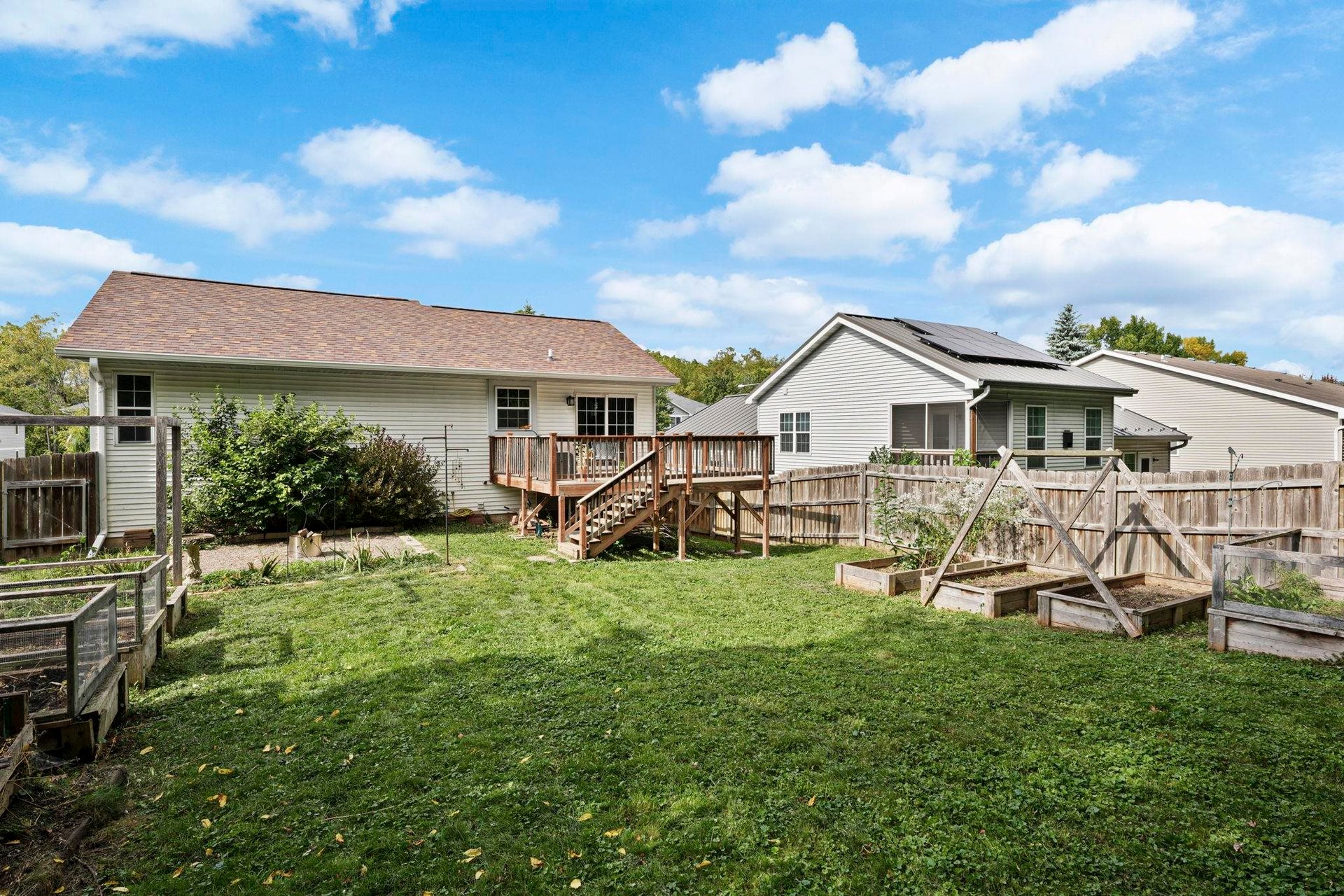
Picture a regular day: coffee outside, dinner at a table, gardening, or room for play. Choose the activities that matter most to you.
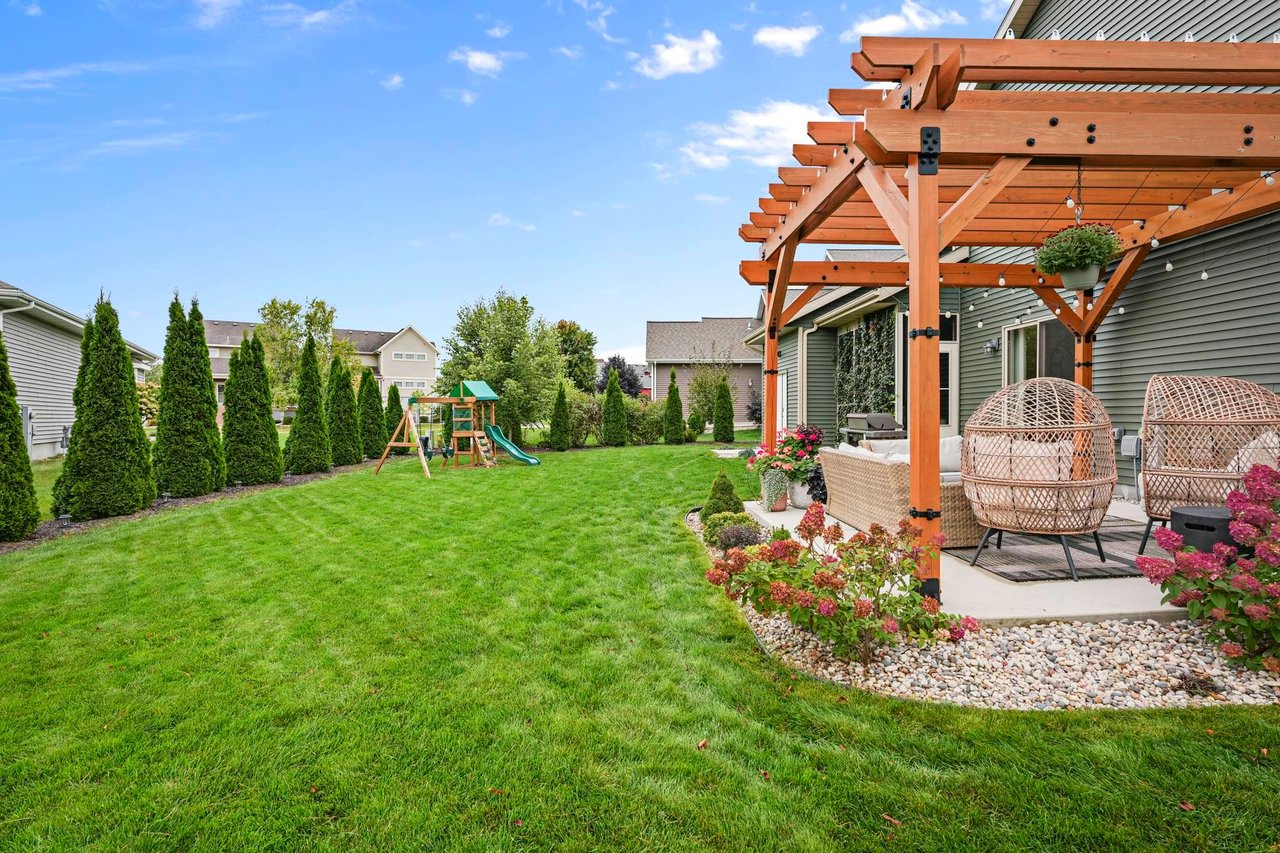
Then look for space that supports them. A dining area needs room to pull out chairs and walk around the table. Garden beds need access for watering and tending. An open stretch of lawn may be useful for play, but it also adds mowing.
You don’t need a separate area for everything. One comfortable spot can serve several purposes.
Make the layout work, even in a small backyard
Follow the route from the house to the area you’d use most. Notice steps, slopes, gates, and narrow passages. Think about carrying food outside or bringing tools to a garden bed.
In a small backyard, furniture placement matters. Leave room to move between the door, seating, and yard without squeezing past chairs. Start with one main use, then see what else fits.
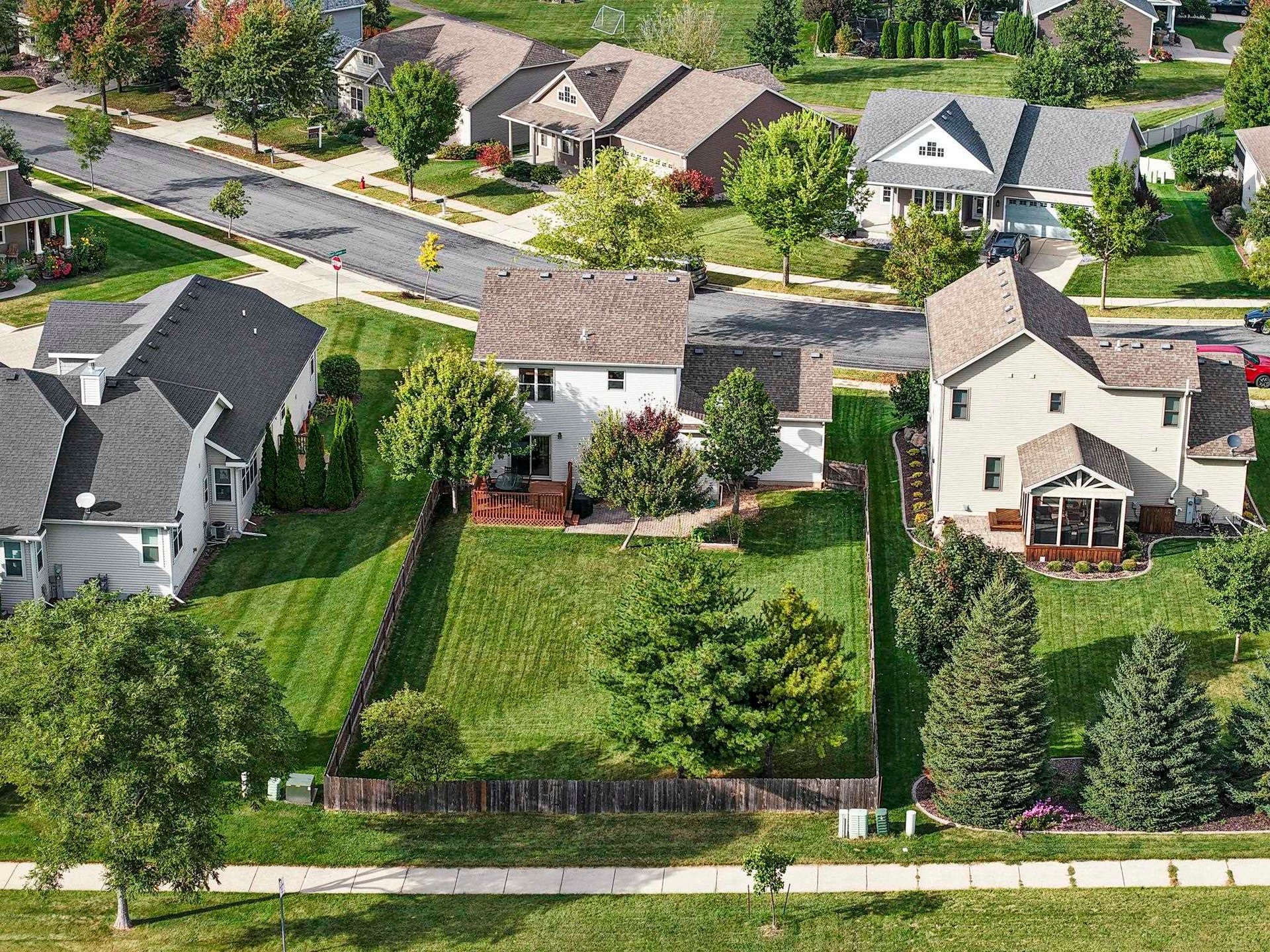
For a larger yard, notice how much of it supports your plans. Steep slopes and narrow or disconnected areas can limit where furniture or activities fit.
Notice shade and privacy where you’ll spend time
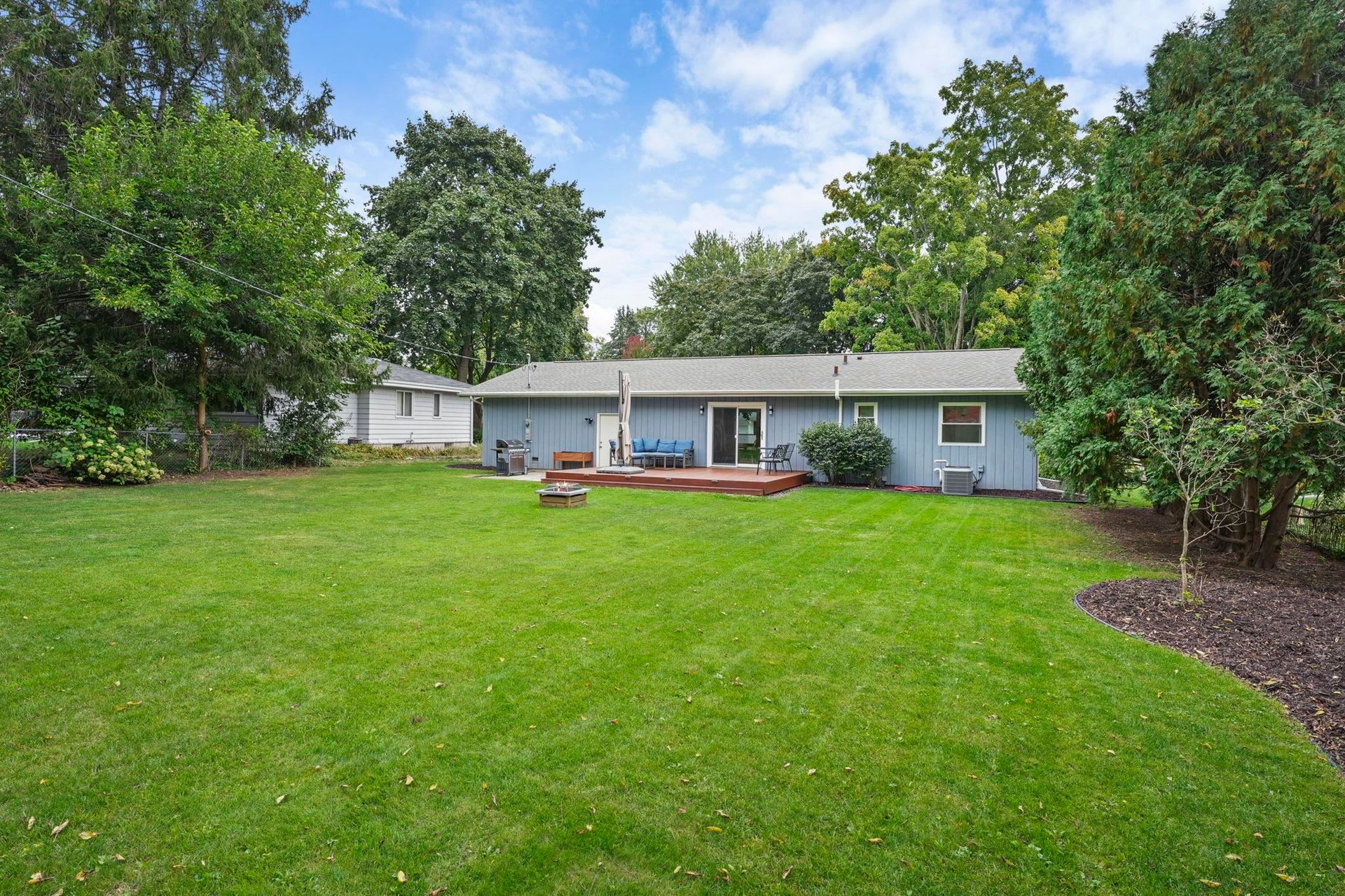
Check the spot where you’d actually sit. A shady yard may still have a sunny patio during the hours you want to use it. If possible, return at a different time of day.
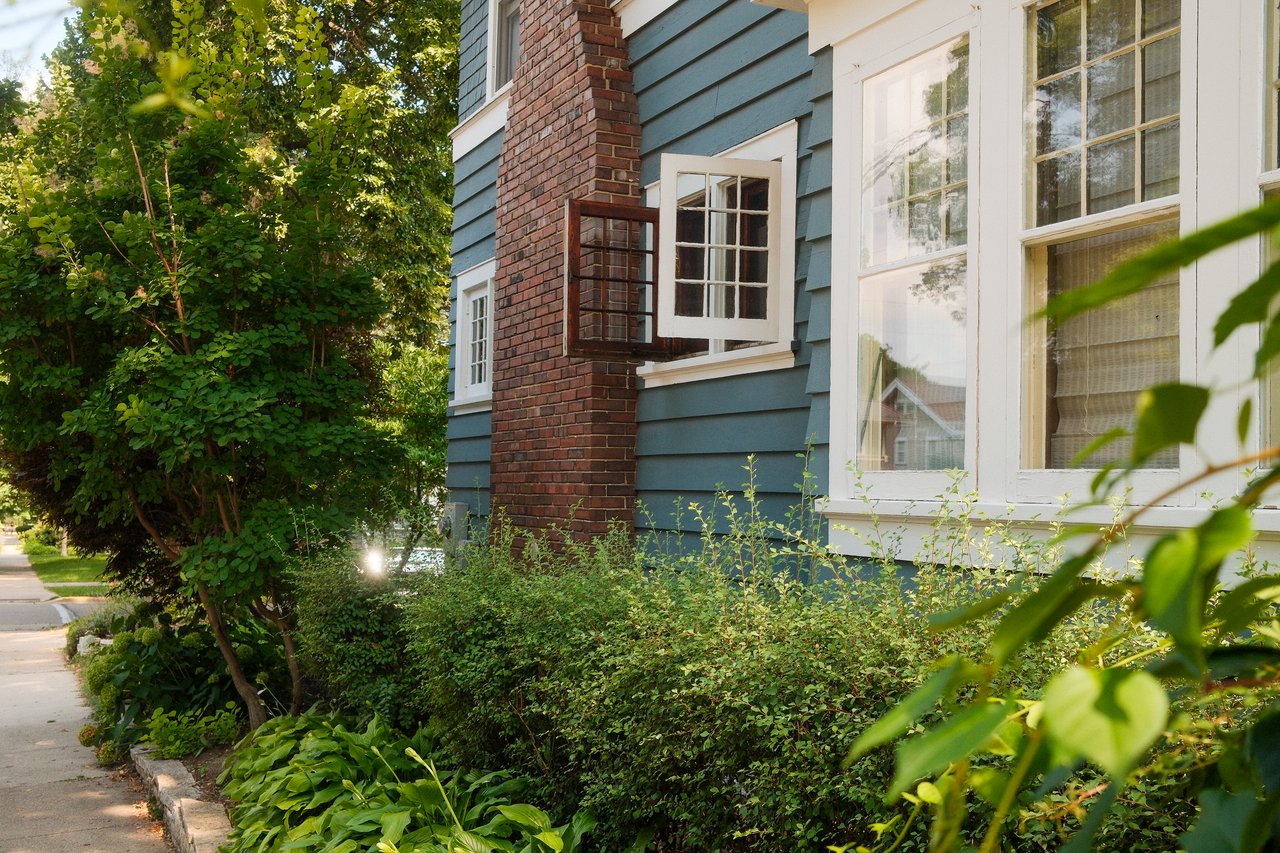
Look at views from that spot, too. Fences, trees, and shrubs provide different kinds of screening. In Madison, leafy summer privacy can change after deciduous trees and shrubs lose their leaves.
Match any planting plans to the available light. A sunny garden bed and a shaded corner need different choices.
Look at what happens after rain
During or after rain, notice where water collects and whether it affects the routes or areas you want to use. Ask about recurring wet spots if you’re considering a home.
A dry-day visit won’t tell you everything about drainage. Persistent standing water or water collecting near the house deserves a closer look from a drainage or landscape professional.
Rain gardens can help manage runoff in suitable locations, but they aren’t a fix for every wet area.
Choose upkeep that fits your routine
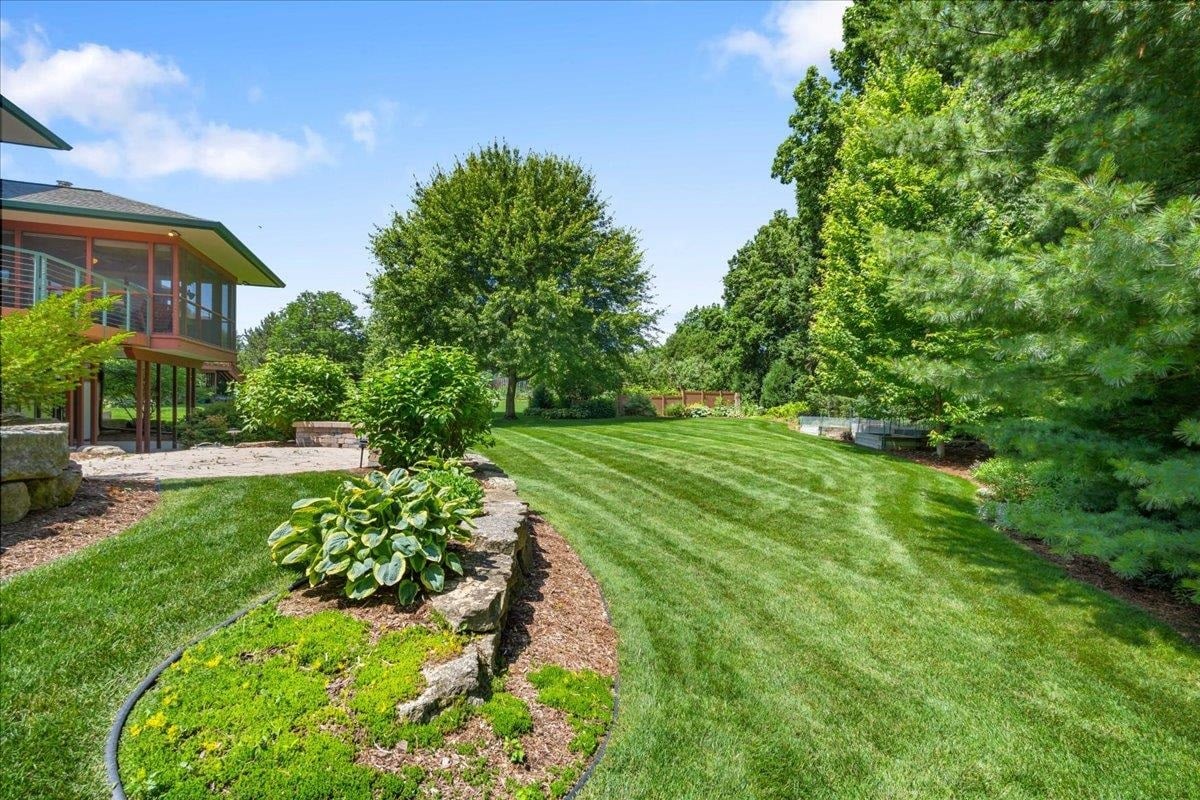
Consider the work behind the yard: mowing, weeding, watering, pruning, leaf cleanup, and care for decks or patios.
Low maintenance still means some maintenance. Plants suited to the site can help, but new plantings need attention while they establish.
Think beyond summer, too. Where would cushions, tools, and outdoor furniture go for winter? Which routes would you need to keep accessible?
Start with the space you’ll use most and the upkeep you’re willing to take on. That gives you a practical way to judge a backyard, whatever its size.
Explore more of Madison
Get to know Madison’s neighborhoods and find resources for your next move.
Explore Madison Neighborhoods
Check our Relocation Guide
Schedule a Call with Cait
Local resources: UW Extension yard care guidance and City of Madison rain garden information.