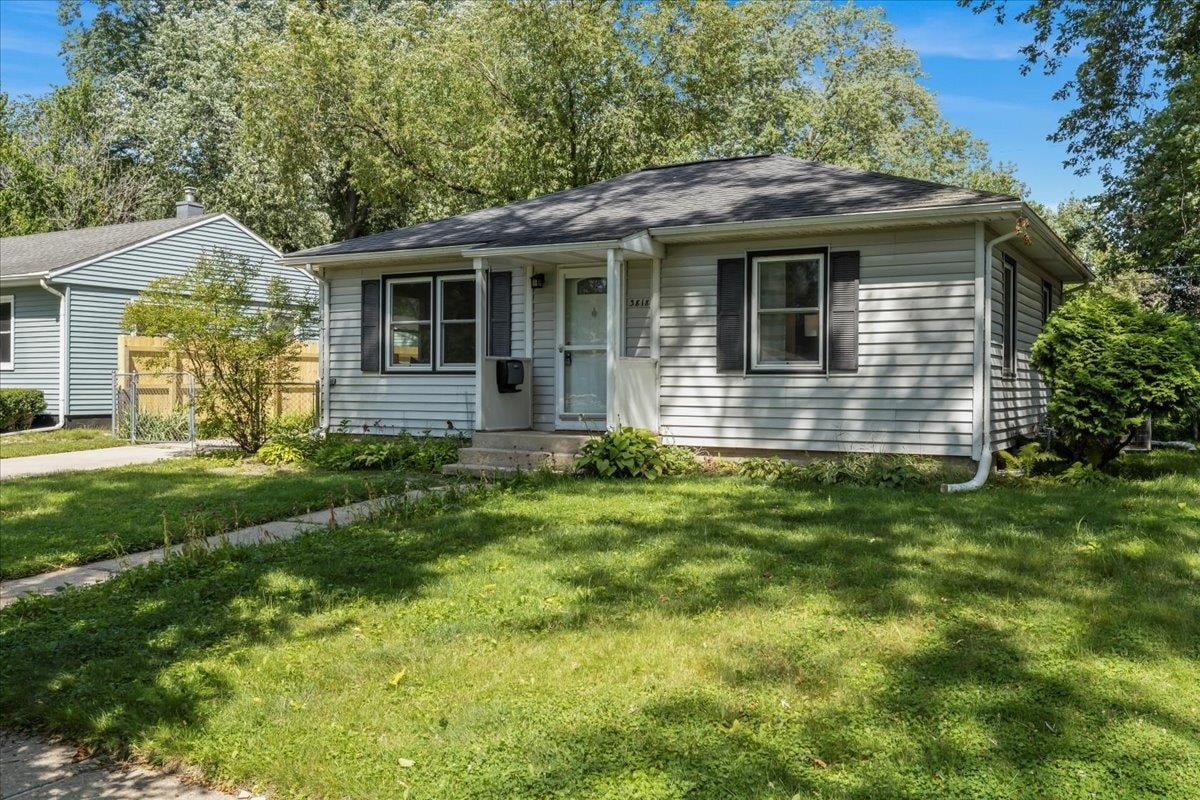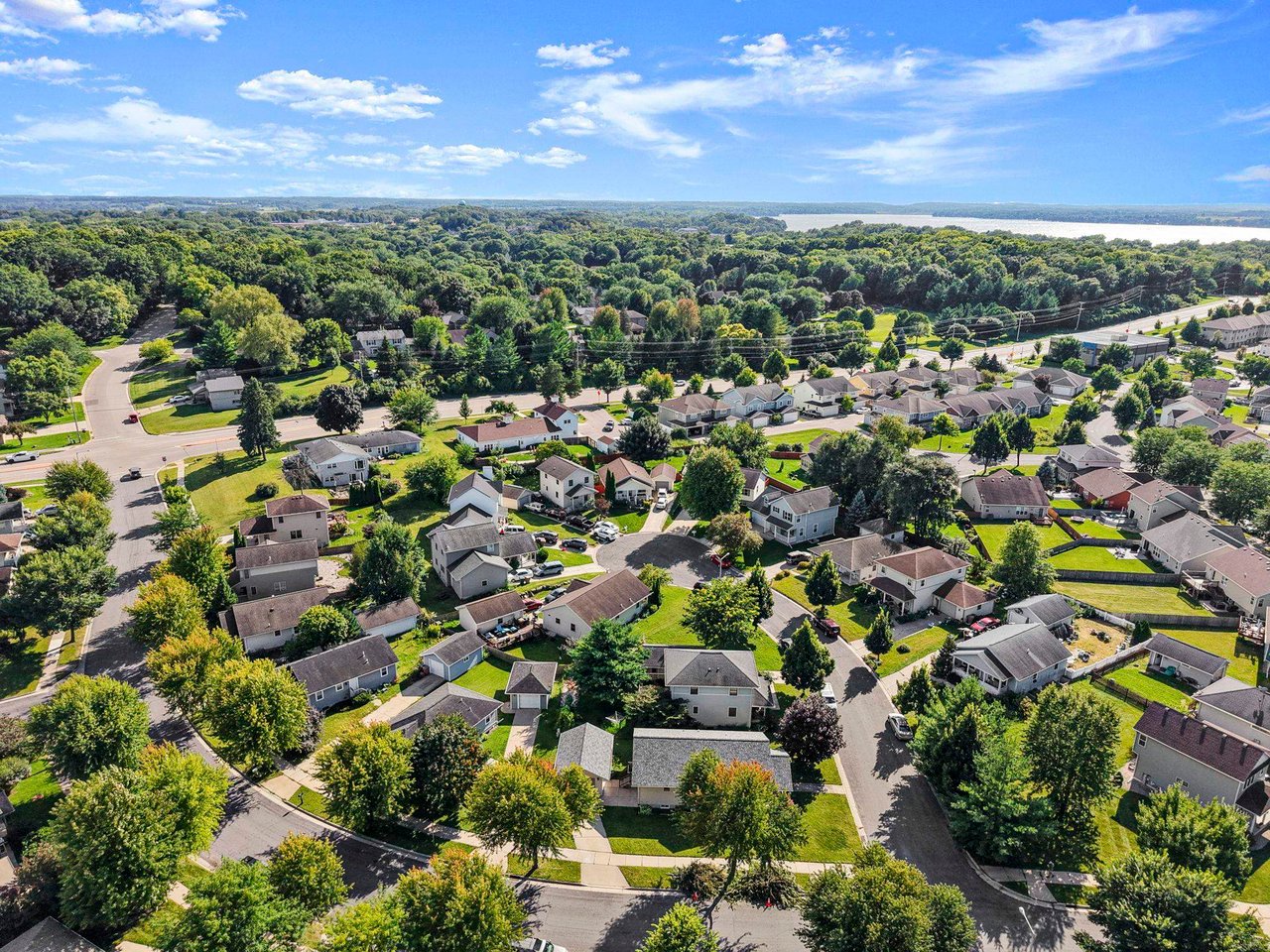
Investing in commercial property can be a lucrative venture, offering the potential for significant returns and long-term financial stability. For beginners, the process of buying commercial property might seem complex and daunting. This comprehensive guide aims to simplify the process and provide valuable insights into purchasing commercial property for beginners, especially those interested in commercial property for sale in Madison, WI.
Understanding Commercial Property
Types of Commercial Property
Before diving into the purchasing process, it's crucial to understand the different types of commercial property available. Commercial properties can be broadly categorized into:
- Office Buildings: These range from small professional office spaces to large corporate office buildings.
- Retail Properties: Includes shopping centers, malls, and individual retail stores.
- Industrial Properties: Warehouses, manufacturing facilities, and distribution centers fall under this category.
- Multifamily Properties: Residential buildings with five or more units, such as apartment complexes.
- Special Purpose Properties: Properties designed for a specific use, such as hotels, healthcare facilities, and schools.
Benefits of Investing in Commercial Property
Investing in commercial property offers several advantages:
- Higher Income Potential: Commercial properties typically offer higher rental income compared to residential properties.
- Longer Lease Terms: Commercial leases tend to be longer, providing more stability and predictability.
- Diversification: Adding commercial property to your investment portfolio diversifies your assets, potentially reducing risk.
Steps to Buying Commercial Property
1. Define Your Investment Goals
Understanding your investment goals is the first step in buying commercial property. Consider factors such as:
- Desired Income: Determine the amount of rental income you aim to generate.
- Investment Horizon: Decide whether you are looking for a short-term investment or a long-term hold.
- Risk Tolerance: Assess how much risk you are willing to take on.
2. Research the Market
Thorough market research is essential when buying commercial property. For those looking into commercial property for sale in Madison, WI, consider the following:
- Location: The location of the property significantly impacts its value and potential for rental income. Research areas with high demand for commercial space.
- Market Trends: Analyze local market trends, including vacancy rates, rental rates, and property values. The Wisconsin REALTORS®Association provides valuable market data.
- Economic Indicators: Look at local economic indicators such as employment rates, population growth, and business activity, which can affect property demand.
3. Secure Financing
Financing a commercial property purchase is typically more complex than residential property. Consider the following financing options:
- Traditional Bank Loans: Banks offer commercial real estate loans with various terms and interest rates. A strong credit score and substantial down payment are usually required.
- Small Business Administration (SBA) Loans: The SBA offers loans specifically for small businesses looking to purchase commercial property. These loans often have favorable terms but require extensive documentation.
- Private Lenders: Private lenders can offer more flexible terms but may charge higher interest rates.
4. Assemble a Professional Team
Having a team of professionals is crucial when buying commercial property. Your team should include:
- Real Estate Agent: A knowledgeable agent specializing in commercial property can provide valuable insights and help you find suitable properties.
- Attorney: A real estate attorney can review contracts, ensure compliance with local regulations, and protect your interests.
- Accountant: An accountant can help you understand the financial implications of your investment and assist with tax planning.
- Property Inspector: A thorough inspection by a professional can identify potential issues and help you avoid costly repairs in the future.
5. Conduct Due Diligence
Due diligence is a critical step in buying commercial property. It involves thoroughly investigating the property to ensure it meets your investment criteria. Key aspects to review include:
- Property Condition: Inspect the property's physical condition, including the structure, electrical systems, plumbing, and HVAC.
- Zoning Laws: Ensure the property is zoned for your intended use and complies with local regulations.
- Financial Records: Review the property's financial records, including income statements, expense reports, and lease agreements.
- Environmental Reports: Check for any environmental issues, such as soil contamination or hazardous materials, which could affect the property's value and usability.
6. Negotiate the Purchase
Once you have completed your due diligence and are satisfied with the property, it's time to negotiate the purchase. Key points to negotiate include:
- Purchase Price: Aim for a fair price based on market research and property condition.
- Contingencies: Include contingencies in the contract to protect yourself, such as financing approval and satisfactory inspection results.
- Closing Date: Agree on a closing date that allows sufficient time for financing and final preparations.
7. Close the Deal
The final step in buying commercial property is closing the deal. This involves:
- Reviewing Closing Documents: Carefully review all closing documents with your attorney to ensure accuracy and completeness.
- Final Walkthrough: Conduct a final walkthrough of the property to verify its condition.
- Transfer of Ownership: Sign the necessary documents to transfer ownership and pay any remaining closing costs.
Tips for Beginners
Start Small
For beginners, starting with a smaller commercial property can be a wise choice. Smaller properties are typically less expensive and easier to manage, providing a good entry point into commercial real estate investing.
Network with Industry Professionals
Building a network of industry professionals can provide valuable insights and opportunities. Attend local real estate events, join professional associations, and connect with experienced investors.
Stay Informed
The commercial real estate market is dynamic and constantly evolving. Stay informed about market trends, economic indicators, and regulatory changes to make well-informed investment decisions.
Leverage Technology
Utilize technology to streamline your investment process. Online platforms can help you search for commercial property for sale in Madison, WI, analyze market data, and manage your properties efficiently.
Common Mistakes to Avoid
Overpaying for Property
Avoid overpaying for commercial property by conducting thorough market research and getting a professional appraisal. Understanding the property's true value is essential for making a sound investment.
Ignoring Location
The location of a commercial property significantly impacts its success. Ensure the property is in a desirable area with strong demand for commercial space.
Neglecting Due Diligence
Skimping on due diligence can lead to costly mistakes. Thoroughly investigate the property's condition, financial records, and compliance with local regulations before making a purchase.
Underestimating Expenses
Consider all expenses associated with owning and managing commercial property, including maintenance, repairs, property taxes, and insurance. Underestimating expenses can impact your return on investment.
Contact Insider’s Realty Group for Expert Guidance
When embarking on the journey of buying commercial property, having expert guidance can make all the difference. Reach out to Insider’s Realty Group to begin your journey today. Their team of experienced professionals can provide personalized advice and support, ensuring a successful investment in commercial property for sale in Madison, WI.