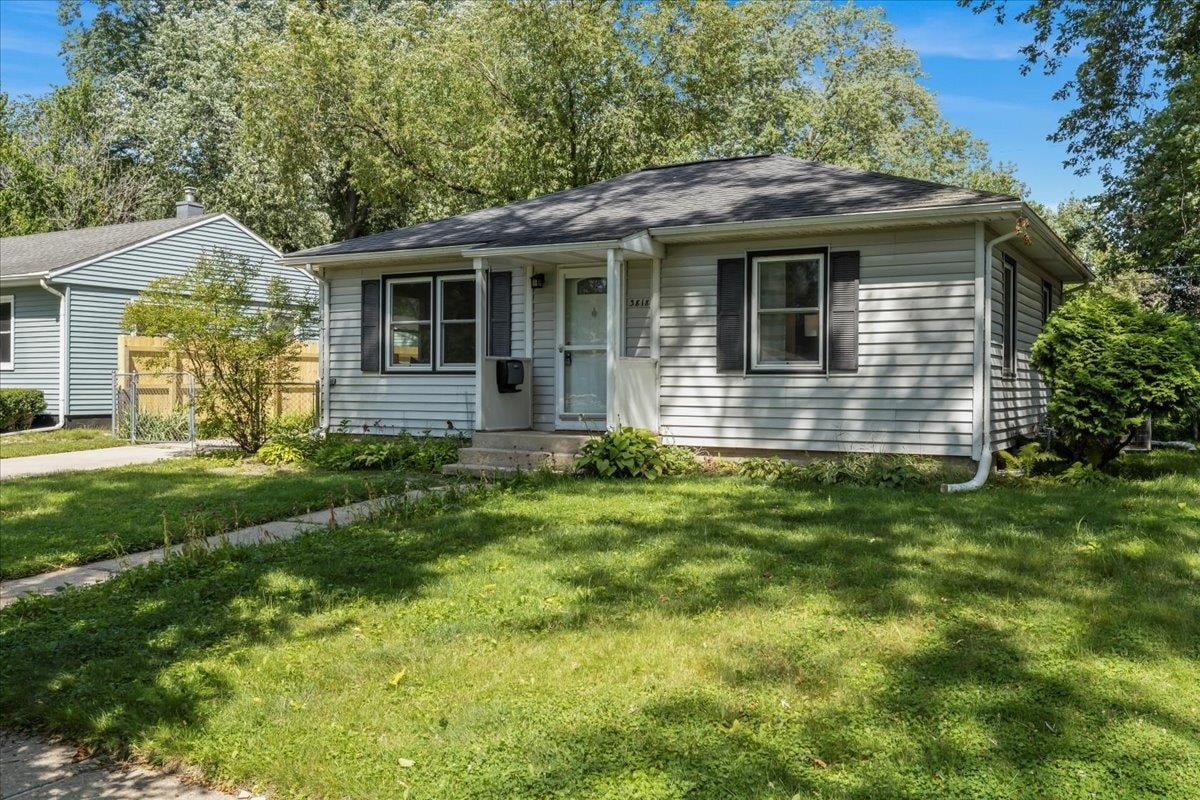
The TIF Effect: How Madison's Tax Increment Districts Shape Your Neighborhood
Local government acronyms can be confusing. But when it comes to buying a home in Madison, what exactly is a TIF district, and how does it impact your property values?
If you have been following the local news, you might have seen city officials discussing something called TIF or TID. It stands for Tax Incremental Financing, and while it sounds like dry municipal accounting, it is actually one of the most powerful tools the city uses to revitalize areas. Here is what people do not realize: a TIF district is often the first signal that a neighborhood is about to see a massive influx of investment and attention.
For a homebuyer or a real estate investor in 2026, understanding where these districts are located is like having a roadmap to future equity. Buying near a newly formed TIF district often means you are getting in on the ground floor of major community upgrades.
What is a TIF District in Simple Terms?

Imagine a neighborhood that needs a little TLC. Maybe the roads are outdated, the commercial spaces are empty, or the area lacks good public parks. The city wants to fix it, but they need funding. Enter the TIF district.
When the city creates a TIF district, they freeze the current property tax revenue going to schools and general services at its current level. Then, they invest money upfront to improve the area. The part no one tells you is that as the neighborhood improves, property values naturally rise. The extra tax money generated by those higher property values is then captured and used specifically to pay off the cost of the neighborhood improvements. It is a self funding cycle of community enhancement.
How The TIF Effect Boosts Your Equity

This is where it gets interesting: why should a homebuyer care about municipal finance? Because the projects funded by TIF districts are exactly the types of amenities that drive up residential property values. When you purchase a home inside or immediately adjacent to a newly established district, you benefit directly from the city's investment. Locals know this: a neighborhood with new sidewalks, better street lighting, and a fresh community park is a neighborhood where people want to live.
Depending on the specific Madison neighborhoods involved, these funds are typically used for:
- Infrastructure Upgrades: Better roads, improved sidewalks, and updated utility lines that make the area safer and more walkable.
- Commercial Revitalization: Incentives for new coffee shops, grocery stores, and local businesses to open their doors nearby.
- Public Amenities: The creation of new community centers, public plazas, and green spaces.
- Housing Diversity: In 2026, Madison is increasingly using TIF funds to support diverse housing developments, which creates a more vibrant, balanced local economy.
Spotting the Right Opportunities
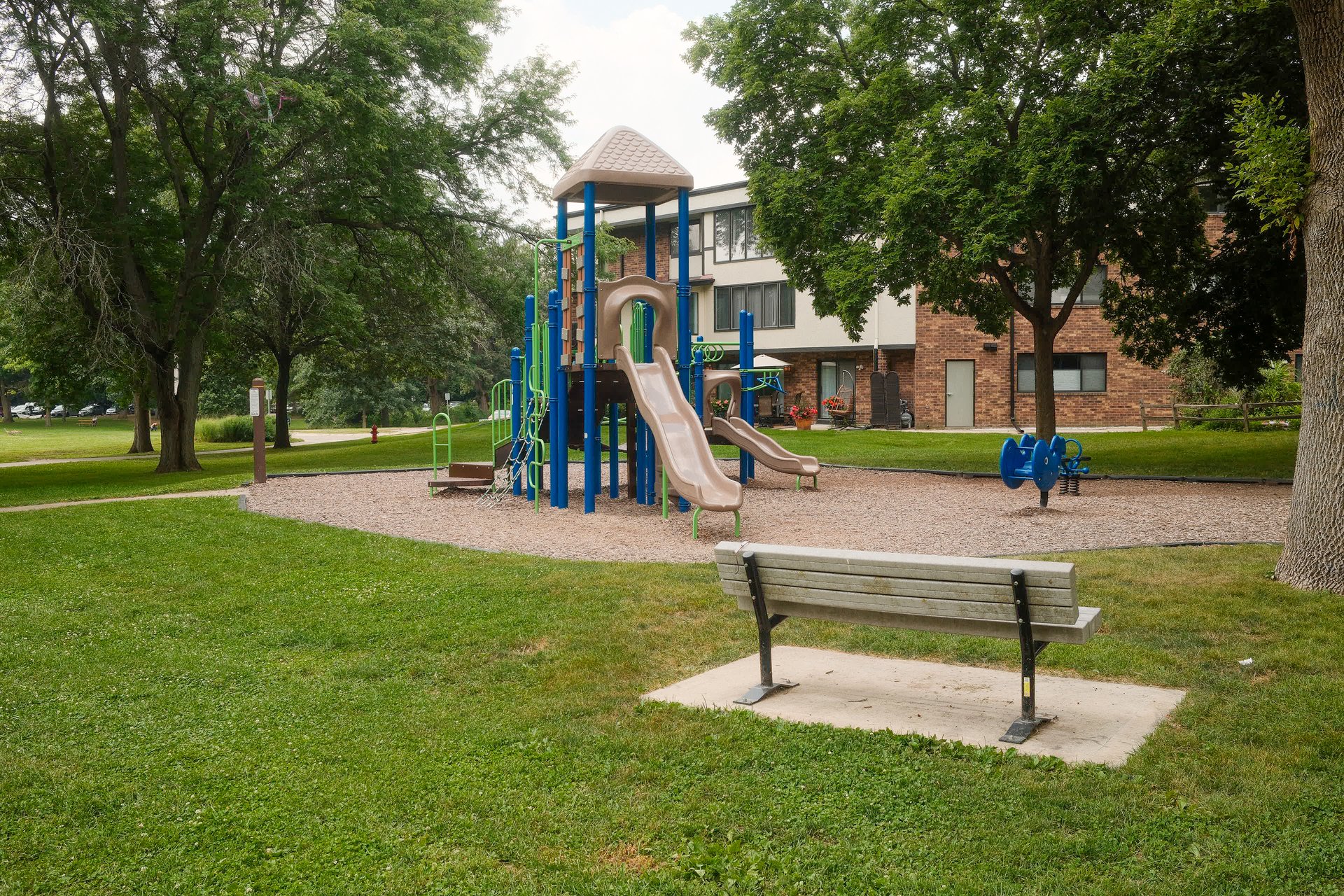
What buyers moving here often think at first is that they should only look at neighborhoods that are already "finished." The reality is that the most savvy moves are often made in areas where the transition is just beginning. If you are actively searching for a home, keeping an eye on where the city is establishing new districts is a highly strategic move. The best time to buy into a transitioning neighborhood is before the major municipal projects are completed. For a complete breakdown of how to prepare for your next move, explore our Buyer Guide.
Once the new parks are built and the commercial spaces are filled, the secret is out, and the home prices will fully reflect those new amenities. If I were in your shoes, I would pay close attention to the major redevelopment corridors on the East Side and the targeted revitalization zones near the Beltline. Here is why that matters: understanding the timeline of these projects can help you time your purchase perfectly.
Bottom line
Buying a home is not just about the four walls and the roof. It is an investment in the surrounding community. By understanding how Madison uses Tax Incremental Financing to upgrade infrastructure and attract new businesses, you can identify neighborhoods that are poised for significant long term growth. The TIF Effect is real, and it is actively shaping the future of Dane County real estate.
Want to explore up-and-coming Madison neighborhoods?
You do not need to be an expert in city planning to find a great investment. We track these municipal changes daily so our clients can make the smartest possible moves. Let us review the map and find an area with serious upside.
Explore Local Neighborhoods
Check Your Home Value
Schedule a Strategy Call with Cait