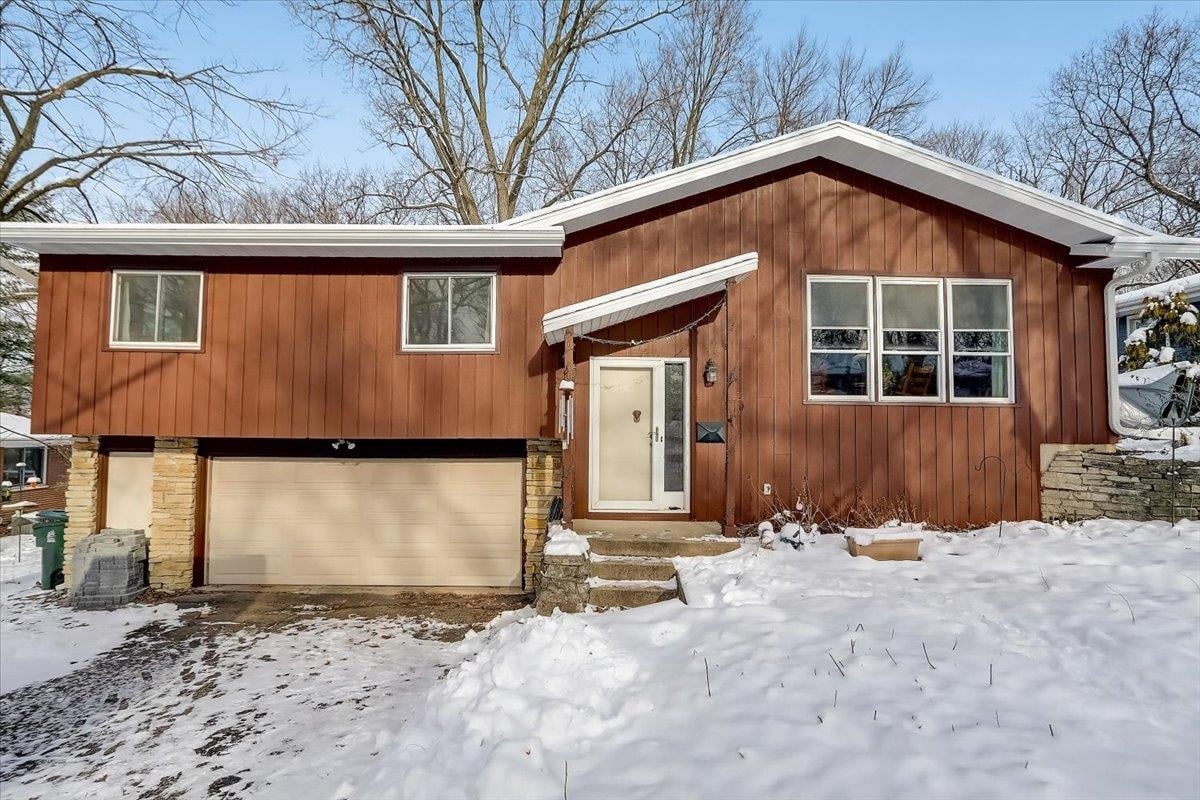
What happens if closing gets delayed on a Madison home?
On a standard WB-11 offer, the closing date is usually a "time is of the essence" date, so missing it can be a breach of contract. If both sides agree, they sign a written amendment that sets a new date. Buyers should also check their rate lock right away, since extending a lock usually costs money, and earnest money stays where it is until the deal closes or the parties agree in writing.
By Cait Berry | November 11, 2026
It's the phone call nobody wants a week before closing: the lender needs more time, the title work turned something up, or the appraisal is still out. Suddenly the movers are booked, the lease is ending, and the closing date on your offer isn't going to happen.
Most delays in Madison and Dane County are short and fixable. The ones that turn into real problems are the ones nobody puts in writing. Here's how it works in Wisconsin and what to do in the first 24 hours.
Why closings get delayed
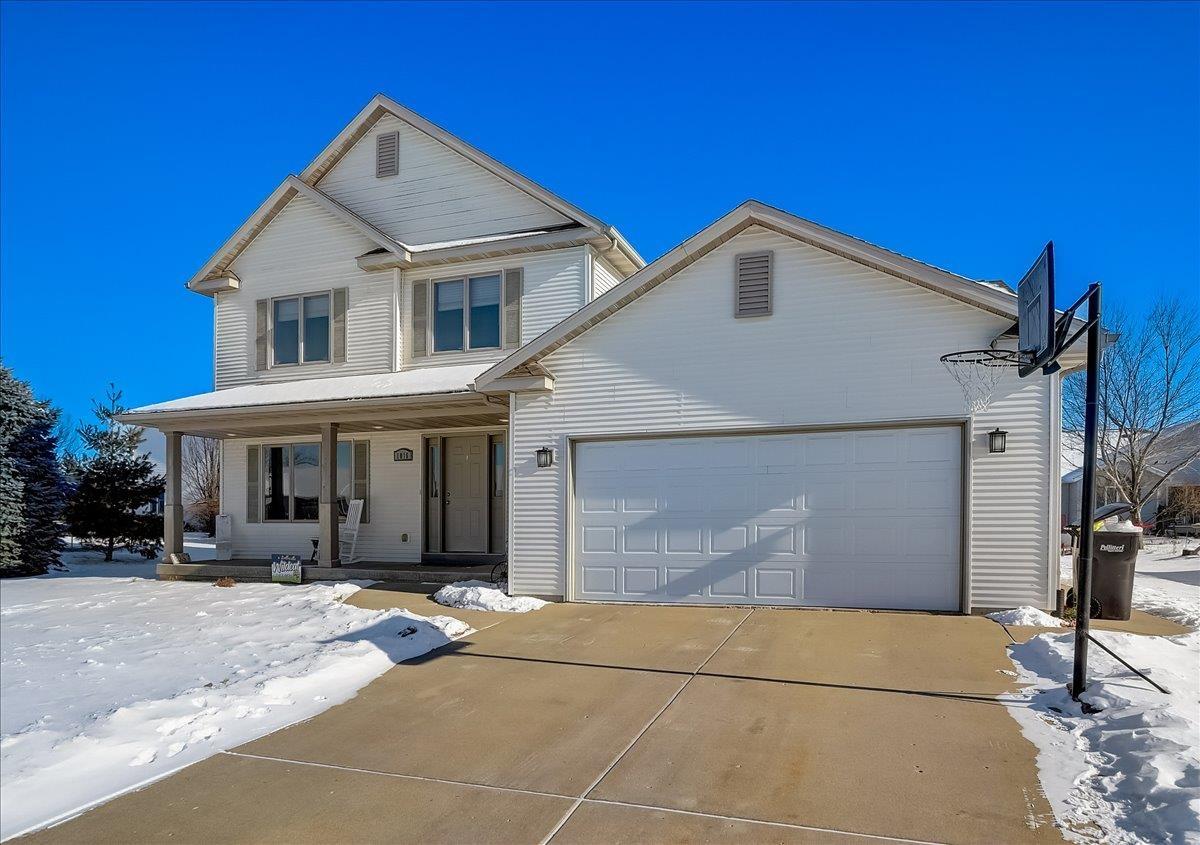
In my experience, almost every delay traces back to one of these:
- Underwriting conditions. The lender asks for one more bank statement, a letter explaining a deposit, or an updated pay stub, and the file sits until it arrives.
- The appraisal. A slow appraisal, or one that comes in low and has to be negotiated, can push everything back. I covered that scenario in what to do when an appraisal comes in low in Madison.
- Title issues. An old mortgage that was never released, a lien, a boundary question, or an estate that hasn't given anyone authority to sign.
- Condo documents or HOA approvals arriving late.
- The other home. If the buyer has a home to sell first, or the seller is buying at the same time, one delay can ripple through two or three closings.
- Calendar crunch. Late November through December is busy for lenders and title companies, and holidays shrink the number of business days.
What your WB-11 says about the closing date
The WB-11 Residential Offer to Purchase sets a specific closing date. If that date lands on a weekend or a federal or state holiday, closing moves to the next business day.
The offer also has a "time is of the essence" section. Unless that item is struck in your offer, time is of the essence for the date of closing. The form spells out what that means: if time is of the essence applies to a date, failing to perform by that exact date is a breach of contract. If it was struck, performance within a reasonable time is allowed before there's a breach.
In practice, that makes the closing date a hard deadline on most Madison offers. You can't just slide it a few days with a phone call.
How to move the date the right way
If both sides agree to a new date, it goes in writing, usually on a WB-40 Amendment to Offer to Purchase, signed by buyer and seller. A good amendment:
- Sets the new closing date (and the time, if occupancy matters).
- Addresses who pays any extra costs, like a rate lock extension or a daily charge if the seller needs to stay longer.
- Adjusts any other dates that depend on closing, like occupancy or a rent-back.
Even when everyone is getting along, put it on paper. If the delay drags on, the signed amendment is what protects you.
When one side won't agree
If one party misses the date and the other won't extend, you're into default territory. The WB-11 lays out remedies for each side, and the earnest money is usually at the center of it. That's a conversation for your agent and, often, a real estate attorney, before anyone sends a termination notice.
Protecting your rate lock
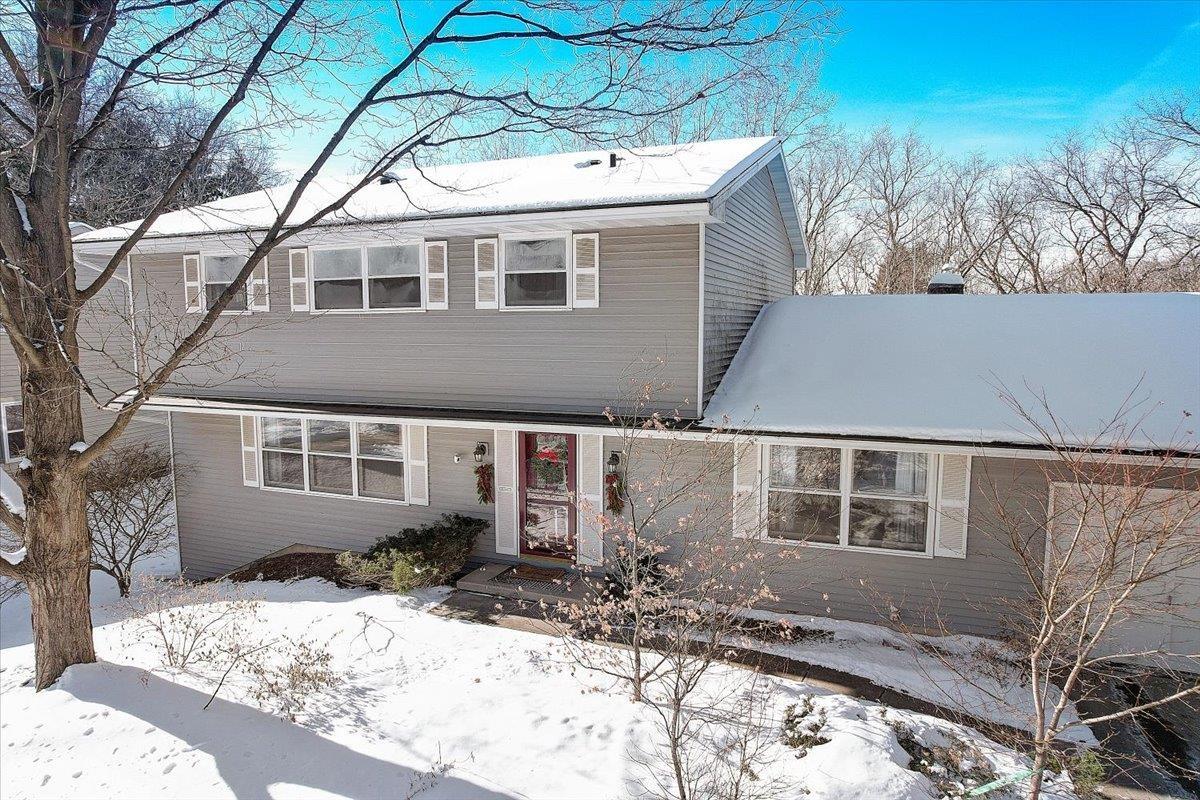
For buyers with a mortgage, the rate lock is often the most expensive part of a delay.
A rate lock holds your interest rate only if you close within the lock period, typically 30, 45, or 60 days. The CFPB notes that a lock can be expensive to extend if your closing needs more time.
What to do:
- Ask your lender for the lock expiration date the moment you hear about a delay.
- Ask what an extension costs, and whether it's a flat fee or priced per day.
- Decide who pays. If the delay is on the seller's side, it's reasonable to ask the seller to cover the extension in the amendment.
- Watch your Closing Disclosure. You must receive it at least three business days before closing. Certain changes to the loan can require a new waiting period, so any change late in the process should go through your lender quickly.
What happens to your earnest money
Your earnest money doesn't move just because closing slipped. On the WB-11:
- At closing, it's paid out according to the closing statement.
- If the deal doesn't close, it's paid out according to a written disbursement agreement signed by all the parties.
- If no agreement is reached within 60 days after the closing date, the firm holding it may disburse it under the limited options listed in the offer, after giving both sides 30 days' written notice by certified mail if either side disagrees.
I walked through the details in earnest money in Madison. The short version: if you're the one causing the delay, the safest move is an agreed amendment, not silence.
Your first 24 hours after hearing "we're going to be late"

- Find out exactly why, and the realistic new date. Get it from the lender or title company directly, through your agent.
- Check your rate lock and what an extension costs.
- Call your mover and your landlord or the buyer of your current home. A two-day slip is easier to absorb when everyone hears about it early.
- Sign an amendment with the new date and who pays any added costs.
- Confirm insurance and utilities for the new date, so coverage starts the day you own it.
If you're juggling a sale and a purchase, a short rent-back can take the pressure off. I explained how that works in rent-back after closing in Madison.
Frequently Asked Questions
Can a closing date be extended in Wisconsin? Yes, if buyer and seller both agree in writing, usually on a WB-40 Amendment. The amendment should set the new date and say who pays any extra costs, like a rate lock extension.
What does "time is of the essence" mean for closing? On the WB-11, if time is of the essence applies to the closing date, missing that exact date is a breach of contract. Unless it was struck in your offer, it applies to the date of closing.
What happens if my rate lock expires before closing? You'll usually need to extend the lock, which can cost money, or relock at current rates. Ask your lender for the expiration date and extension cost as soon as you learn about a delay.
Can a seller back out if closing is delayed? If the buyer misses a time-is-of-the-essence closing date, the seller may have remedies under the offer, including possible claims to the earnest money. Most delays are resolved with an amendment, but talk to your agent and an attorney before taking action.
Who pays for a closing delay? It depends on the cause and what you negotiate. Rate lock extensions, extra rent, or storage costs can be assigned to either party in the amendment that sets the new date.
The bottom line
Most closing delays in Madison are a few days, not a few weeks. Treat the closing date like the deadline it is, put any new date in a signed amendment, protect your rate lock, and keep everyone informed early.
If you're buying this winter and want a clear picture of every step between accepted offer and closing day, my Buyer's Guide walks through it.
Your Madison Insiders
Buying in Madison? Know every step before closing day.
The Insiders Realty Buyer's Guide walks through offers, contingencies, financing, and closing in Dane County.
About Cait Berry
Cait Berry is the founder and team lead of Insiders Realty with REAL Broker, LLC, serving buyers and sellers across Dane County. A sixth-generation Madisonian and full-time agent since 2012, she helps relocating families, move-up buyers and sellers, and first-time buyers make confident moves in the Madison market. Cait is also a business coach for real estate agents with Tom Ferry International.
This post is general information about the WB-11 Residential Offer to Purchase and common lending rules, not legal or lending advice. Review your specific contract with your agent, and with an attorney or lender if you have questions.


