Whose Tree Is It? A Madison Guide to Terrace Trees and Who's Responsible
You mow around it and rake under it every fall. But is that tree out front actually yours?
A storm moves through, a heavy limb comes down, and the first question is almost always the same.
Is this mine to handle, or the city's?
It is a fair question. The answer surprises a lot of Madison homeowners. The tree you have raked under for years may not actually be yours. And the one you assumed the city would deal with might be sitting squarely on your shoulders.
Here is how it actually works.
The terrace is not really your yard
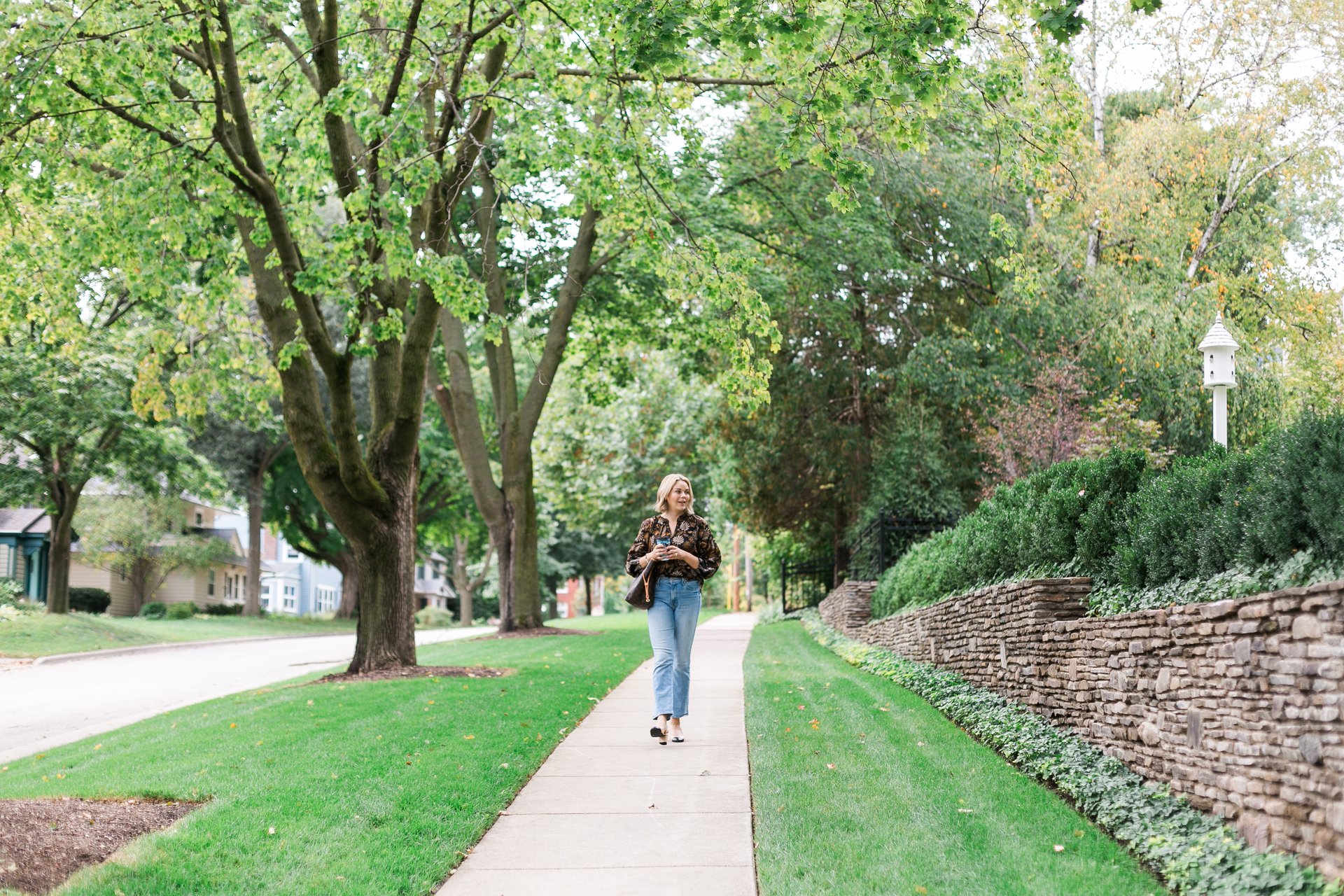
The terrace is that strip of grass between the sidewalk and the curb. It feels like part of your property. You mow it. You shovel it. You probably planted the hostas around the base of the tree.
But it is not your land. The terrace is city right-of-way, owned and overseen by the City of Madison.
That one detail changes who is responsible for the tree growing in it.
Who handles what
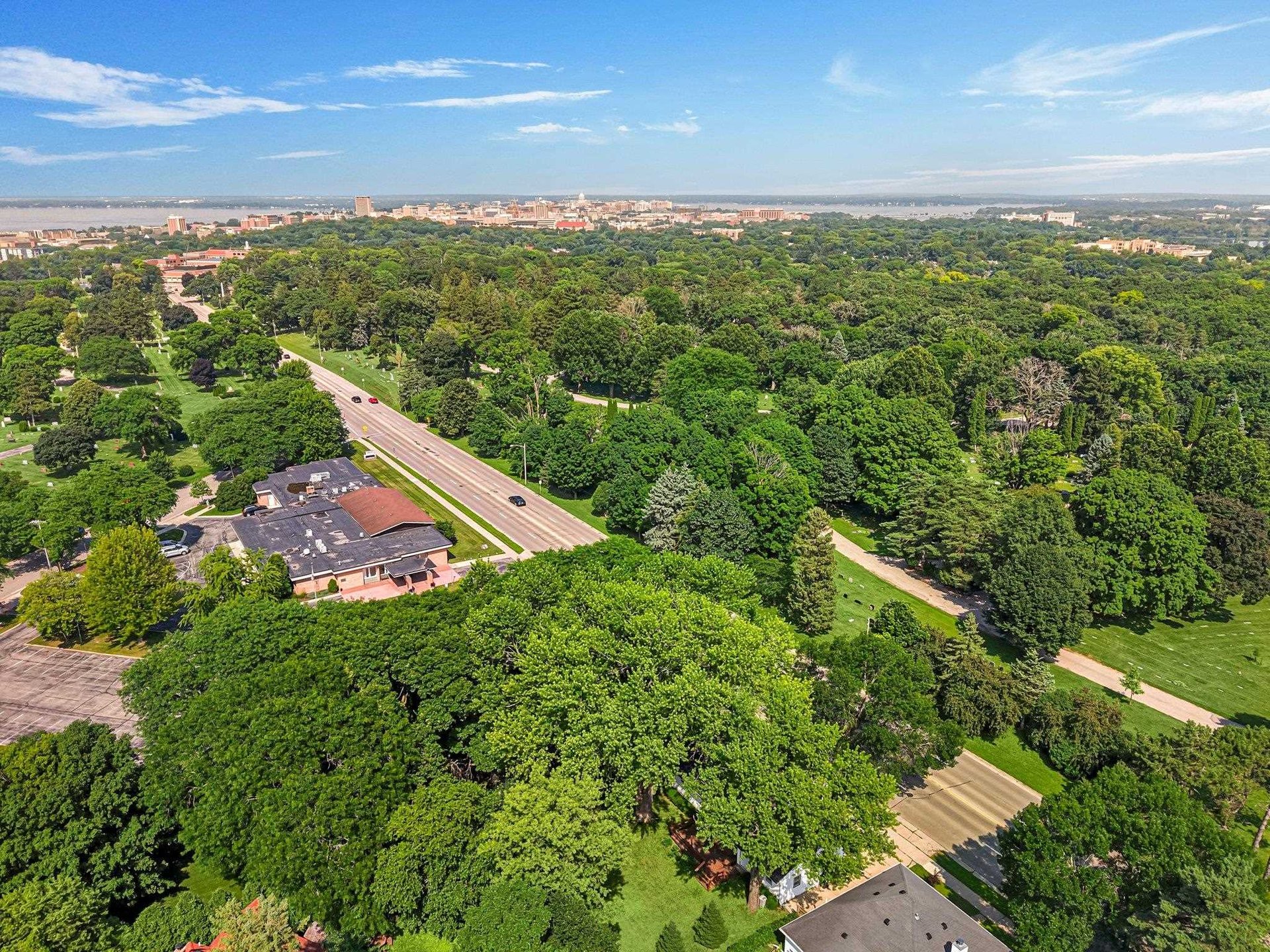
The simple version comes down to where the tree sits.
If the tree is on the terrace, it is a city tree. Madison's Urban Forestry team maintains it. You are not allowed to prune it, cut it, or remove it on your own, even though it stands a few feet from your front door.
If the tree is on your property, behind the sidewalk and inside your lot lines, it is yours. The city will not touch it. Pruning, removal, and storm cleanup all fall to you, usually through a certified arborist.
Two trees that look identical, two completely different sets of responsibilities. The dividing line is usually the sidewalk.
What this means after a storm
When a public tree comes down or drops a limb, the move is to report it to the city rather than handle it yourself. Routine issues go through the city's Tree Concern report, and crews respond. You do not need to hire anyone for a terrace tree.
There is one exception worth knowing. If a limb or tree is tangled in power lines, that is not a city tree question or a homeowner question. That is an MGE situation, and nobody should be anywhere near it. Trees on or touching electrical wires have to be made safe by the utility first.
For trees on your own property, the cleanup and the cost are yours. That is part of why the brush you see stacked on terraces after a big storm is a mix of both. Some of it is city trees the crews will clear. Some of it is private trees that homeowners hauled out themselves.
Why this matters if you're buying or selling

Here is where it connects to a home.
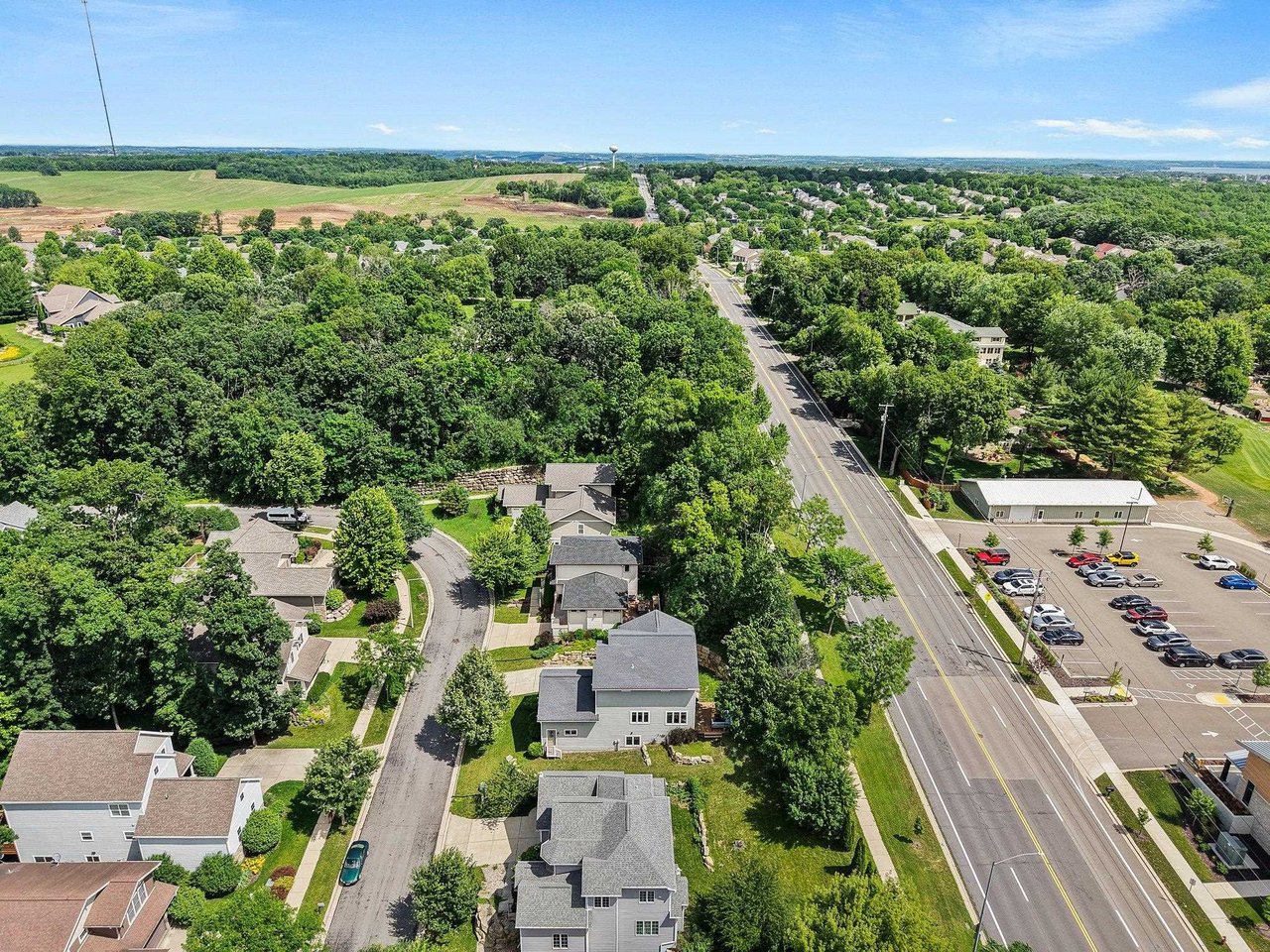
Madison's mature tree canopy is one of the real pleasures of living here. Those big established trees are part of what makes the near east and near west sides feel the way they do. Buyers respond to them, and for good reason.
But it is worth knowing which trees come with the house and which belong to the city.
A large tree on the terrace is something you get to enjoy without carrying the maintenance or the eventual removal cost. A large tree in the backyard, leaning toward the roof, is a future expense that belongs to whoever owns the home. Neither one is good or bad. They are just different things to understand before you fall for the lot.
When I walk a property with buyers, this is one of the quiet things I point out. Where the lines are. What is yours. What is not. It rarely changes the decision. It just means nobody is surprised a year later.
Frequently asked questions
How do I know if a tree is on the terrace or on my property?
The sidewalk is usually the dividing line. Trees between the sidewalk and the street are almost always on the terrace, which is city right-of-way. Trees behind the sidewalk, inside your lot, are yours. If your block has no sidewalk, the line is less obvious and worth confirming with the city.
Can I trim or remove the city tree in front of my house if I do not like it?
No. It is against city rules to cut, prune, or remove a terrace tree on your own. If you have a concern about it, you report it to Urban Forestry and crews will respond. You do not need to pay anyone to handle a public tree.
A city tree dropped a limb in my yard during the storm. Who cleans it up?
For a public tree, you can file a Tree Concern report with the city for routine cleanup. If a tree is on your house, blocking a road, or tangled in power lines, treat it as an emergency and call 911. Anything touching power lines has to be made safe by MGE first.
Does a big tree help or hurt my home's value?
Usually it helps. Mature trees tend to make a home and a street feel more established, and they bring real benefits like shade and lower summer cooling costs. The thing to watch is condition and placement. A healthy tree well away from the house is an asset. A struggling one leaning over the roof is a maintenance question, not a selling point.
I want a tree planted on my terrace. Can I do that?
You can ask. The city evaluates the space and plants the right tree for it, since not every terrace can support one. Reach out to Urban Forestry to start that conversation.
Thinking through a Madison home, trees and all?
Every lot comes with its own quirks, and the trees out front are just one of them. If you want a clear-eyed walk-through of what you are actually taking on with a property, we are happy to be your guide.
Schedule a Call with Cait
Browse Madison Listings
Get a Home Valuation