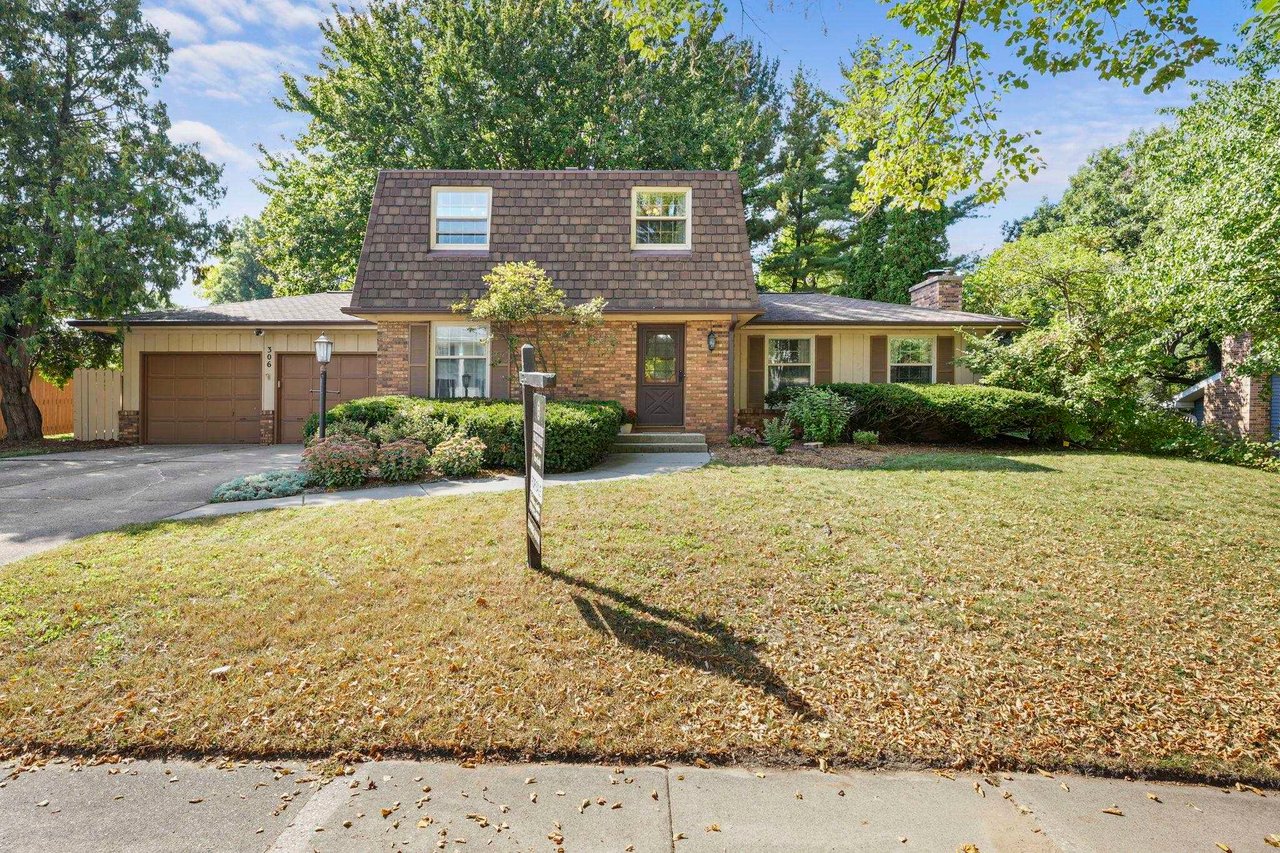
Madison usually costs more to buy into than Milwaukee, but it's growing faster and tends to feel smaller and more walkable around its lakes. In September 2026 the median sale price was $480,000 in Dane County and $287,788 in Milwaukee County (Wisconsin REALTORS Association).
By Cait Berry | November 10, 2026
If you're moving to Wisconsin, or already here and deciding where to plant roots, Madison and Milwaukee usually end up on the same short list. They're about 80 miles apart on I-94, and they feel like very different places to live.
The question matters more right now because the price gap between the two markets is wide, and it changes what your budget buys. A family that's comfortable in Milwaukee may need to adjust expectations in Madison, and someone who loves Madison's lifestyle should know what that costs before they start touring.
I'm a sixth-generation Madisonian, so I'll be honest about both sides. Below is a side-by-side on home prices, property taxes, growth and everyday life, plus how to decide.

Madison vs. Milwaukee at a glance
Madison (Dane County) | Milwaukee (Milwaukee County) | |
|---|---|---|
Median sale price, Sept 2026 | $480,000 | $287,788 |
Year-over-year price change | +6.7% | +2.8% |
County population, Jan 1, 2025 | 611,149 | 945,292 |
County growth since 2020 Census | +8.8% | +0.6% |
Citywide Walk Score | 50 | 62 |
Sources: Wisconsin REALTORS Association, September 2026 home sales report; Wisconsin Department of Administration, 2025 final population estimates; Walk Score, November 2026.
What this means for you: Dane County's median price is about $190,000 higher than Milwaukee County's, and it's rising faster. Dane County has also added people about 14 times faster than Milwaukee County since 2020. More demand and fewer homes is a big part of why Madison prices hold up the way they do.
Home prices: what your budget buys

In Madison
At a median around $480,000 in Dane County, most buyers are looking at single-family homes, condos and townhomes across Madison and suburbs like Fitchburg, Verona, Middleton, Sun Prairie and Waunakee. Well-kept homes in popular areas still sell quickly, and the best ones can draw more than one offer, especially in spring.
In Milwaukee
Milwaukee County's median of $287,788 stretches further. You'll find a wider range of older homes, duplexes and condos, and more room in the budget for updates. Prices vary a lot from one part of Milwaukee County to the next, so the countywide median tells you less about any one neighborhood.
My take: If your budget is fixed and space is your top priority, Milwaukee gives you more house for the money. If you're set on Madison, it's worth looking at the suburbs and condo options before deciding the city is out of reach. Our Madison neighborhood guide is a good place to compare areas.
Property taxes: the other monthly cost
Property taxes are part of your monthly payment, so they belong in this comparison.
- Milwaukee: The City of Milwaukee's net tax rate on December 2025 bills was $22.93 per $1,000 of assessed value (Milwaukee Neighborhood News Service, December 2025).
- Madison: The City of Madison's most recent published combined net rate for property in the Madison Metropolitan School District is $17.70 per $1,000 (City of Madison 2025 Adopted Budget, bills mailed December 2024). The City reports that a typical Madison tax bill went up about 12% on the December 2025 bills, mostly from the school district referendum.
In plain terms, Milwaukee's rate is higher, but Madison homes cost more, so the dollar amount on your bill can end up close or even higher in Madison. Rates also change by school district and suburb. I break all of this down in our Madison property tax guide.
This post is general information, not legal, tax, or lending advice.
Lifestyle: how each city feels day to day
Madison

I grew up in Madison and still call it home, so I've seen firsthand what draws people here and why so many never leave. The city is built around Lake Mendota and Lake Monona, with the Capitol in the middle of the isthmus. Life runs on paddleboarding off the Memorial Union Terrace, biking the Capital City Trail, sunsets at Picnic Point, the Saturday Dane County Farmers' Market circling the Capitol Square, and date nights on King Street. Major employers include UW–Madison, state government, the hospital systems and Epic in Verona. Neighborhoods like Marquette, Vilas and Tenney-Lapham score in the 80s on Walk Score, even though the citywide score is 50.
The trade-offs: housing costs more, inventory can be tight, and Madison can feel small if you want constant nightlife or pro sports in town.
Milwaukee

I went to UW–Milwaukee and lived in Milwaukee for several years during college, and it showed me a completely different side of Wisconsin: bigger, bolder and more affordable. It's a true big city on Lake Michigan, with pro sports, Summerfest, the restaurants and nightlife of the Historic Third Ward, lakefront paths near Bradford Beach, and Milwaukee Mitchell International Airport with more direct flights. Its citywide Walk Score is higher at 62, and neighborhoods near downtown and the Lower East Side are among the most walkable in the state.
The trade-offs: commutes can be longer across a bigger metro, and winters can feel harsher near the lake.

How to decide between Madison and Milwaukee
- Start with your commute. Where you work, or how often you travel, usually decides this before anything else.
- Set a monthly budget, not just a price. Add principal, interest, taxes and insurance for a real home in each city.
- Spend a weekend in each. Walk a neighborhood on a Saturday morning and again on a weeknight.
- Think five years out. Faster growth in Dane County has supported prices, which matters if you plan to sell or move up later.
If you're relocating and want a plan, I put together the Inside Madison Relocation Guide for exactly this. You can also read where to live in Madison for a neighborhood-by-neighborhood look.
Frequently Asked Questions
Is it cheaper to live in Madison or Milwaukee?
Milwaukee is generally cheaper for housing. In September 2026, the median sale price was $287,788 in Milwaukee County and $480,000 in Dane County, according to the Wisconsin REALTORS Association. Milwaukee's property tax rate is higher, so compare the full monthly payment, not just the price.
Are property taxes higher in Madison or Milwaukee?
Milwaukee's rate is higher. Its net rate on December 2025 bills was $22.93 per $1,000, compared with Madison's most recent published combined net rate of $17.70 per $1,000. Because Madison homes cost more, the actual dollar amount on a Madison bill can be similar or higher.
How far is Madison from Milwaukee?
Madison and Milwaukee are about 80 miles apart, connected by I-94. The drive usually takes around an hour and 15 minutes without traffic, so some households live in one city and work or fly out of the other.
Is Madison growing faster than Milwaukee?
Yes. Dane County grew about 8.8% between the 2020 Census and January 2025, while Milwaukee County grew about 0.6%, based on Wisconsin Department of Administration estimates. Strong growth with a limited supply of homes is one reason Madison prices have stayed high.
Which city is more walkable, Madison or Milwaukee?
Milwaukee scores higher citywide, 62 to Madison's 50 on Walk Score. Madison's most walkable neighborhoods, like State-Langdon, Marquette and Vilas, score in the 80s and 90s, so walkability in Madison depends a lot on which neighborhood you choose.
The bottom line
Milwaukee gives you more home for the money and big-city amenities. Madison costs more but is growing faster, sits between two lakes, and has some of the most walkable neighborhoods in the state. Compare the full monthly cost, spend time in both, and choose the city that fits your commute and your weekends.
Your Madison Insiders
Moving to Madison? Start with a plan.
The Inside Madison Relocation Guide walks you through neighborhoods, costs and timing for a move to Dane County.
About Cait Berry
Cait Berry is the founder and team lead of Insiders Realty with REAL Broker, LLC, serving buyers and sellers across Dane County. A sixth-generation Madisonian and full-time agent since 2012, she helps relocating families, move-up buyers and sellers, and first-time buyers make confident moves in the Madison market. Cait is also a business coach for real estate agents with Tom Ferry International.