The Madison Commute Map: How Long Does It Actually Take to Get Anywhere?
Beltline, isthmus, lakes, and rush hour all change the answer. Here's what the drive times actually look like across Madison and Dane County.
One of the most common questions people ask before moving to the Madison area is some version of "how long is the commute?" It sounds simple. It is not.
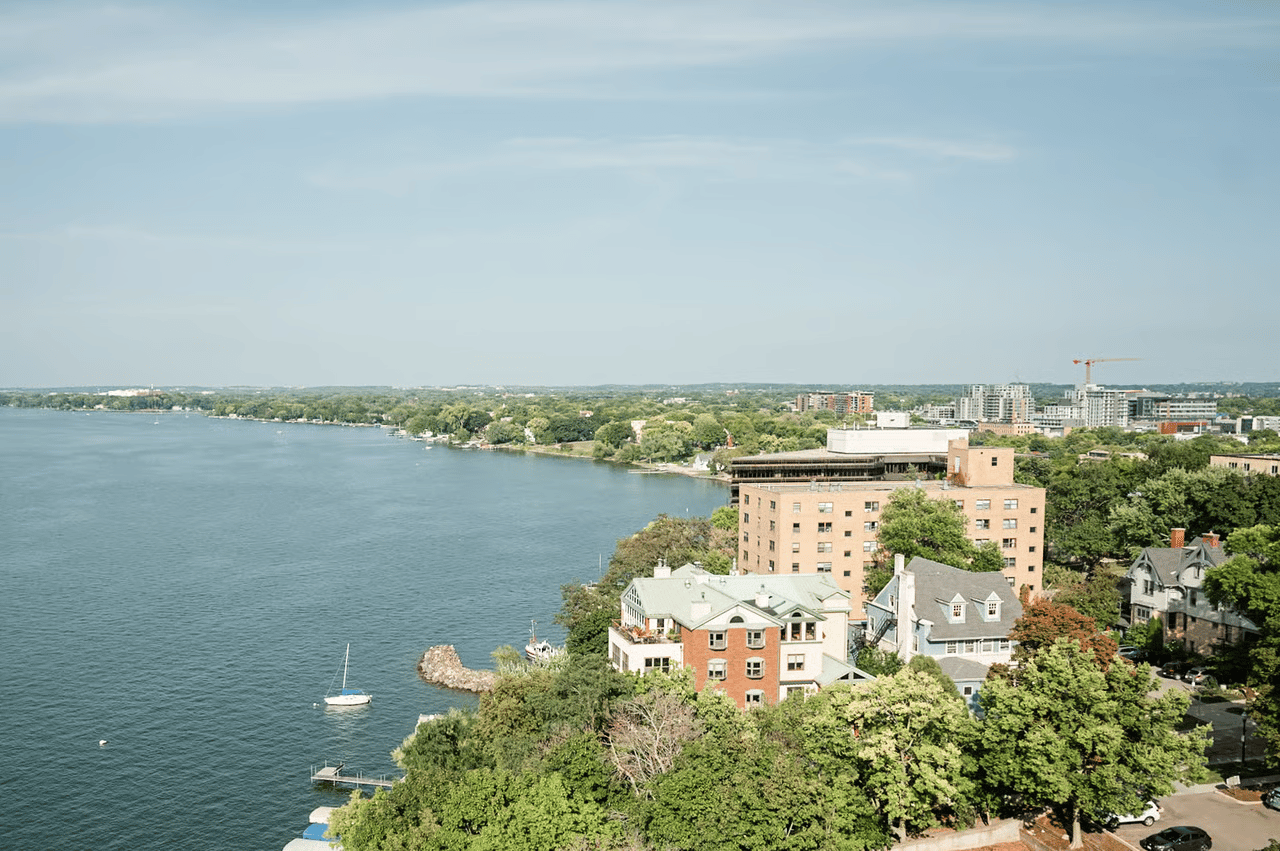
Madison's geography makes commute math different from most cities. The downtown sits on an isthmus between two big lakes, which means there are only a few real routes between the east and west sides of the city. The Beltline highway loops the south side and carries the highest traffic volume in the region. And the suburbs that ring Madison (Sun Prairie, Verona, Middleton, Fitchburg, and others) each have their own commute personality based on which direction they sit from downtown.
The average one-way commute in Madison is about 20 minutes, which is shorter than the Wisconsin state average. But that number hides a lot of variation. A commute from Sun Prairie to UW Hospital is a different experience than a commute from Verona to the Capitol Square, even if the drive times look similar on paper.
Here is what the Madison commute actually looks like, and what to know before deciding where to live.
How Madison's commute structure actually works
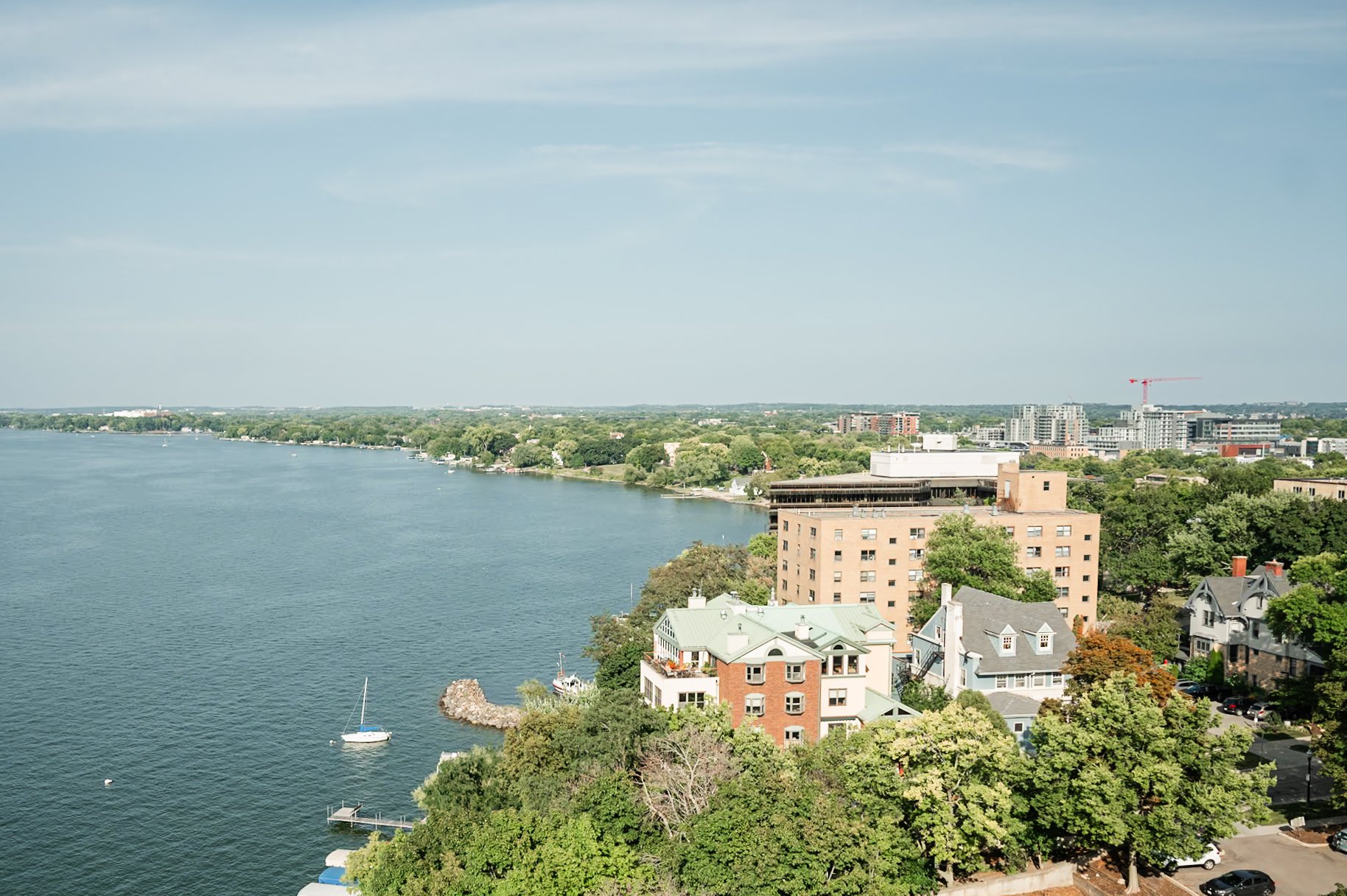
Before the drive times, the geography. Three things shape the Madison commute more than anything else.
The isthmus is the first one. Downtown Madison sits between Lake Mendota and Lake Monona, which means routes between the east and west sides funnel through a narrow corridor. East Washington Avenue, University Avenue, and the Beltline are the three main options. When one of them slows down (construction, an accident, a Badger game), the others fill up quickly.
The Beltline is the second. US-12/18 loops the south side of the city and serves as Madison's de facto interstate. It carries more than 120,000 vehicles daily along its primary 10-mile segment. For most commuters whose origin and destination are not both on the isthmus, the Beltline is part of the trip. Its bottlenecks (Park Street, Fish Hatchery Road, Verona Road) are where the city's congestion concentrates.
The suburbs and their directional pull are the third. Sun Prairie sits northeast and uses Highway 151 and the East Beltline. Verona sits southwest and uses Highway 151 from the other direction. Middleton sits west and uses University Avenue or the Beltline. Fitchburg sits south, connected by Fish Hatchery and the Beltline. The route you use depends entirely on where you start and where you're going, and the time of day changes everything.
Madison-area drive times at a glance
The table below shows approximate drive times from major Madison-area origins to the most-asked destinations. Times reflect typical off-peak conditions (mid-morning, mid-afternoon, or weekends). Rush hour can add 10 to 20 minutes depending on the route.
| From | To Downtown / Capitol | To UW Campus | To Epic (Verona) | To MSN Airport |
|---|---|---|---|---|
| Downtown Madison | — | 5 min | 20 min | 15 min |
| Near East Side | 5-10 min | 10-15 min | 25 min | 10 min |
| Near West Side | 10-15 min | 5-10 min | 20 min | 20 min |
| Middleton | 15-20 min | 15-20 min | 20 min | 25 min |
| Fitchburg | 15-20 min | 15-20 min | 15 min | 20 min |
| Sun Prairie | 20-25 min | 20-25 min | 30 min | 15 min |
| Verona | 20 min | 20 min | 5-10 min | 25 min |
These numbers are starting points, not promises. Real-world drive times depend on time of day, weather, construction, and which exact streets your origin and destination sit on. But for someone considering a move, this is the baseline picture.
What rush hour actually does to these numbers
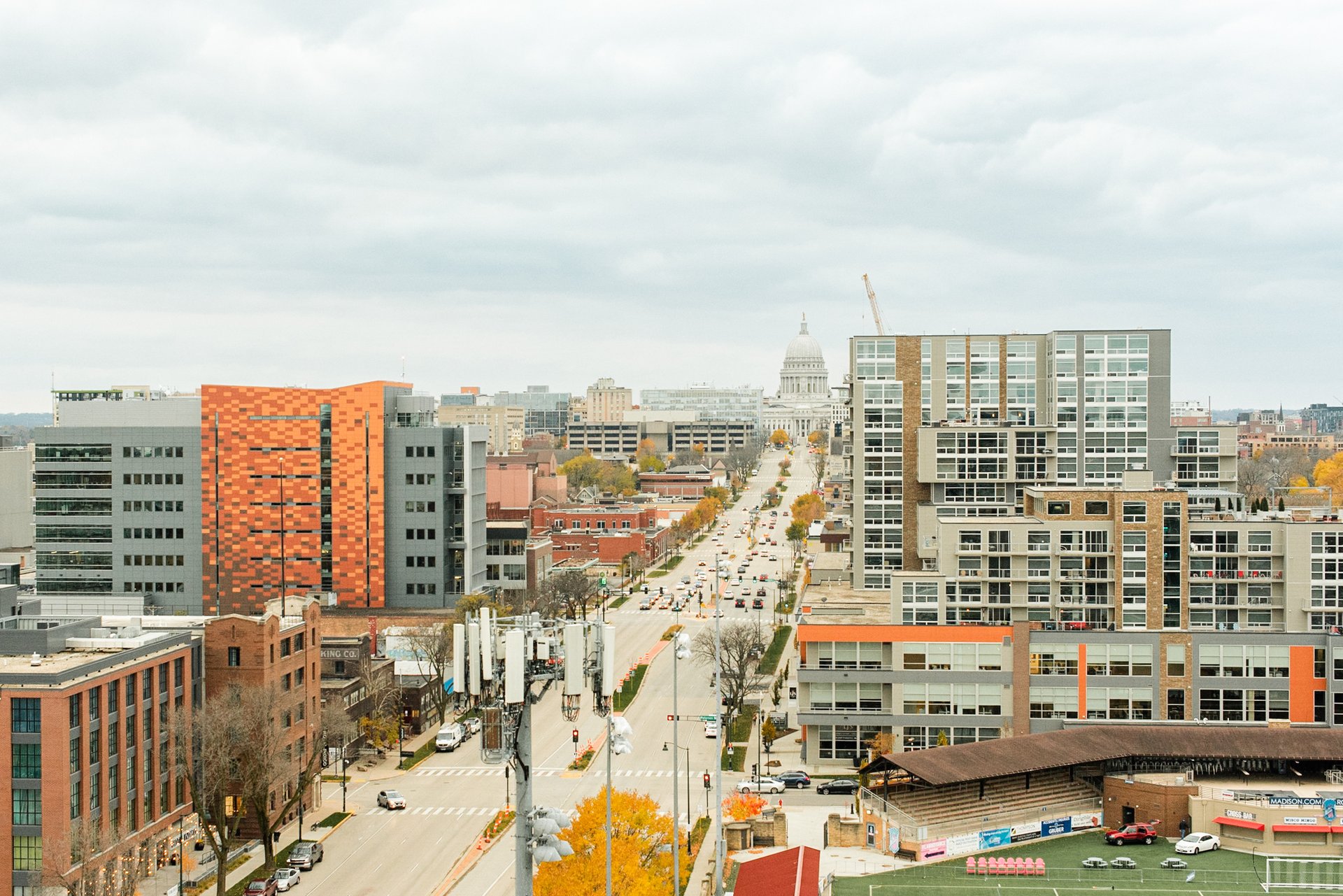
Madison's rush hour is shorter and less brutal than larger metros, but it is real. The standard windows are 7:30 to 8:30 AM and 4:30 to 5:45 PM on weekdays. The Beltline is the most affected. University Avenue and East Washington are the next most affected.
In the morning, the westbound Beltline gets congested heading toward Verona Road, where Epic Systems and other west-side employers pull in commuters. In the evening, the eastbound Beltline gets congested as the same commuters head home. Speeds in the worst stretches can drop to 20 miles per hour or below.
A few patterns worth knowing:
- A Sun Prairie commute to downtown that takes 22 minutes off-peak can stretch to 35 to 40 minutes in heavy rush hour traffic.
- A Verona commute to downtown that takes 20 minutes off-peak can stretch to 30 to 35 minutes.
- A Middleton commute via University Avenue can be slower than via the Beltline in the morning, because University Avenue carries dense in-town traffic toward UW.
- Sun Prairie to Epic in Verona is one of the longest cross-county commutes, because it crosses both the East Beltline and the West Beltline during peak hours.
The data also shows that the Beltline carries different congestion patterns by direction. Westbound is worse in the morning. Eastbound is worse in the evening. Knowing this changes the math on which side of town to live on if commute matters to you.
The neighborhoods that surprise people

A few Madison-area neighborhoods consistently surprise buyers with how well-positioned they actually are.
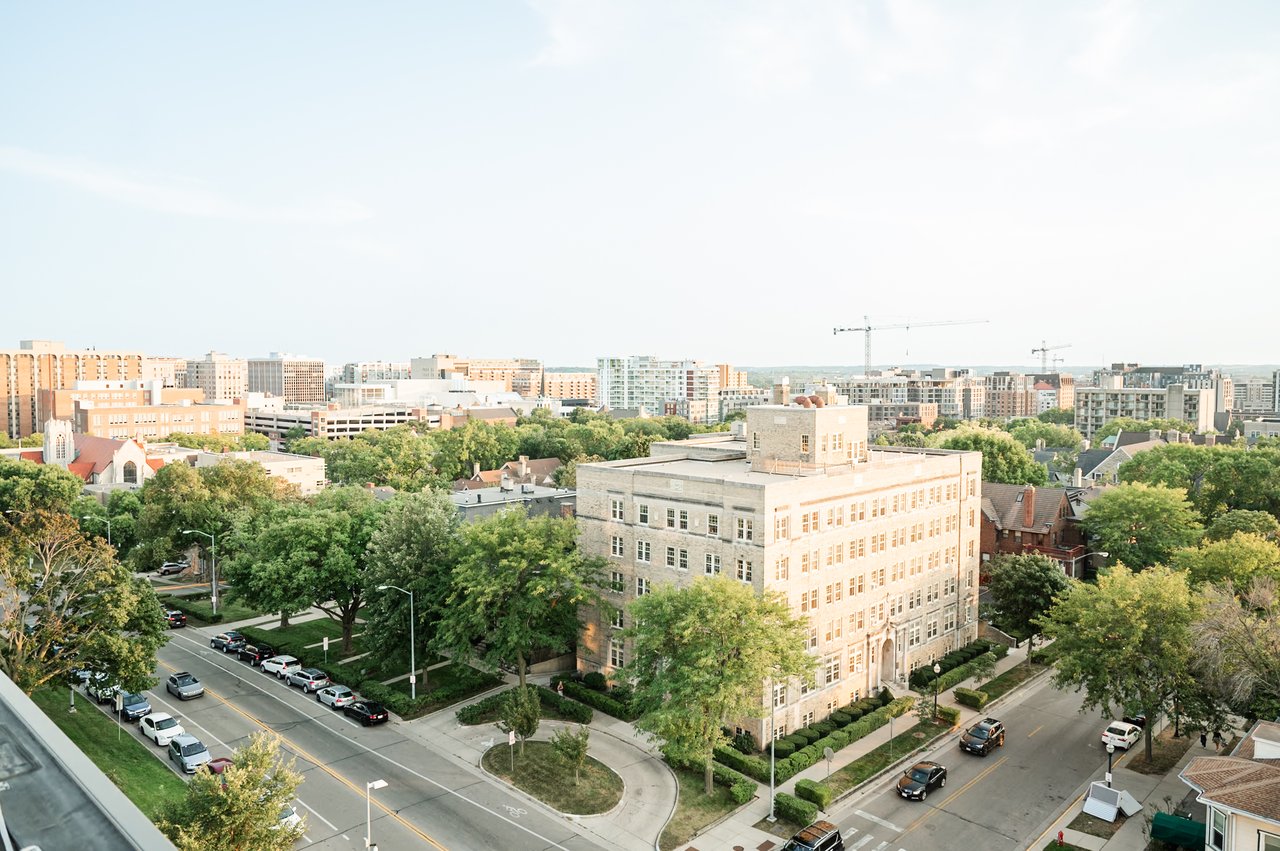
Near East Side and Near West Side are the closest things Madison has to "15 minutes from everything" addresses. Walkable to downtown, close to UW, quick access to the Beltline. They also tend to be among the most expensive parts of the city, which reflects that geographic value.
Fitchburg often surprises buyers who assume it is much further from downtown than it actually is. The northern parts of Fitchburg can reach downtown Madison in 15 minutes, which is competitive with some Madison neighborhoods. And Fitchburg is also closer to Epic than most people realize.
Sun Prairie is closer to the airport than almost any other suburb, which matters if you travel for work. It also has its own dedicated bus line (Route A1 via Madison Metro) for commuters who would rather not drive.
Middleton has direct access to two of Madison's biggest employers (UW campuses on the west side, plus growing biotech in the Hilldale/University corridor) without requiring you to cross the isthmus during rush hour.
The neighborhoods that often disappoint commute-wise are the ones where buyers assume "close to Madison" automatically means "easy commute." Some of the small unincorporated areas just outside the Beltline can have very different commute experiences depending on which exit they sit closest to.
How to think about commute when choosing where to live

For buyers and relocators, a few questions tend to matter more than raw drive times.
What does your daily commute actually look like? A 25-minute commute that runs against rush hour traffic feels different than a 25-minute commute that runs with it. Sun Prairie commuters going north into the city in the morning and back out at night are running with traffic flow much of the time. Verona commuters going into the city in the morning are running into the Beltline's worst westbound congestion. Same drive time, very different experience.
Where are your other destinations? The drive to work is one trip. But where do you grocery shop? Where do you take your kids to school or daycare? Where do you go for dinner on a Friday night? A neighborhood that is well-positioned for one of those trips may be poorly positioned for the others.
What's your tolerance for the Beltline? Some Madison residents avoid the Beltline at all costs. Others use it daily and barely notice. If you would rather not be on the Beltline regularly, that narrows your neighborhood options. If you don't mind it, your search opens up significantly.
Do you travel for work? Sun Prairie's proximity to the airport is a real advantage for frequent travelers. So is the Near East Side. Verona, by contrast, adds 25-plus minutes to any airport run.
The real goal
Drive times are a starting point for thinking about where to live in Madison, not the answer. The right neighborhood depends on what your week actually looks like, where you spend the most time, and how much the commute experience matters to your daily quality of life.
The numbers in this guide will get you in the ballpark. But the only way to really know whether a neighborhood works for your commute is to drive the actual route at the actual time you would drive it. A Wednesday morning at 7:45 AM tells you more than any drive-time calculator can.
Trying to figure out which Madison neighborhood fits your commute?
If you want to talk through your specific search and the trade-offs between different parts of the Madison area, we are happy to walk through it with you.
Schedule a Call with Cait
Browse Neighborhood Guides
See Current Madison Listings
Drive times reflect typical off-peak conditions and are approximate. Real-world times vary by route, time of day, weather, and construction. Source data drawn from Google Maps and WisDOT traffic studies as of June 2026.