Flood Insurance Near the Madison Lakes: What the Map Does Not Tell You
You checked the flood map and you are not in a flood zone. So you are fine, right?
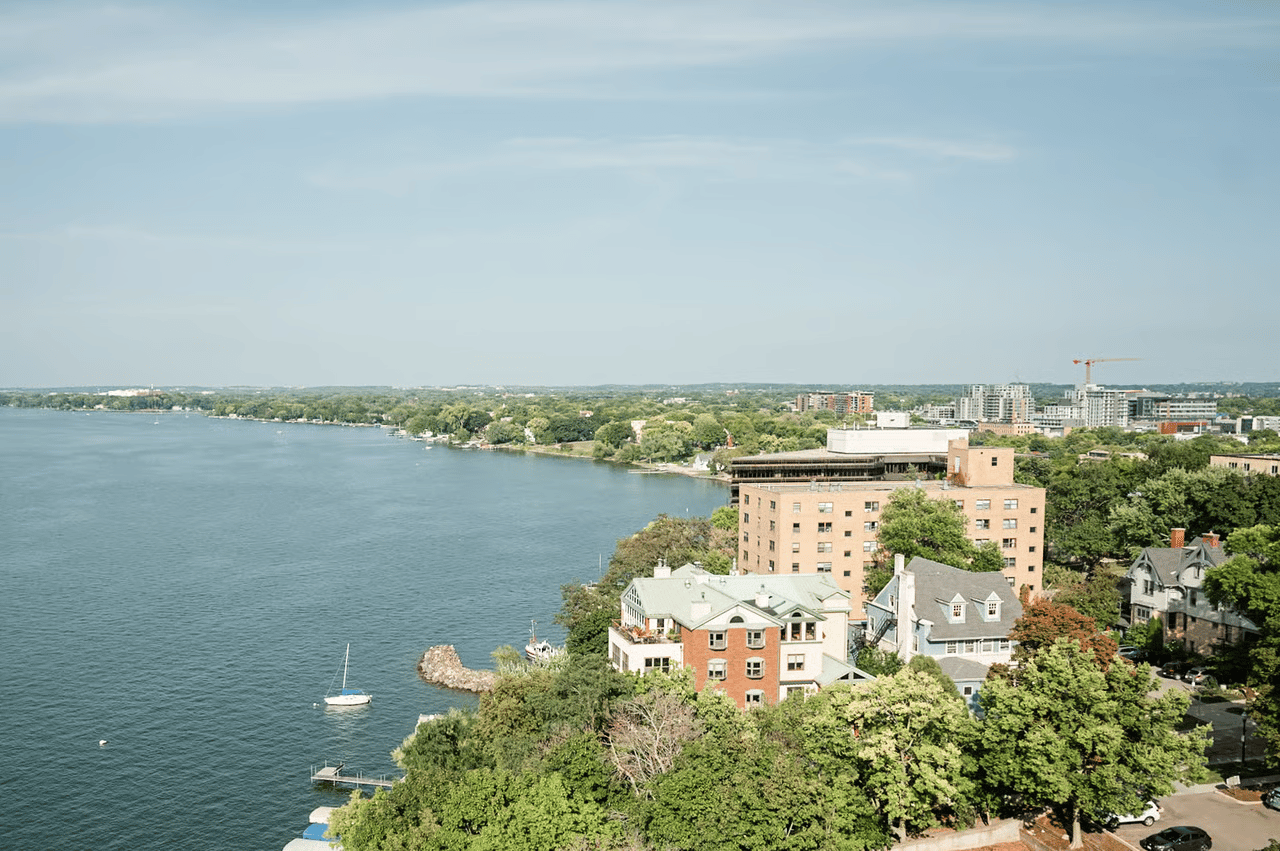
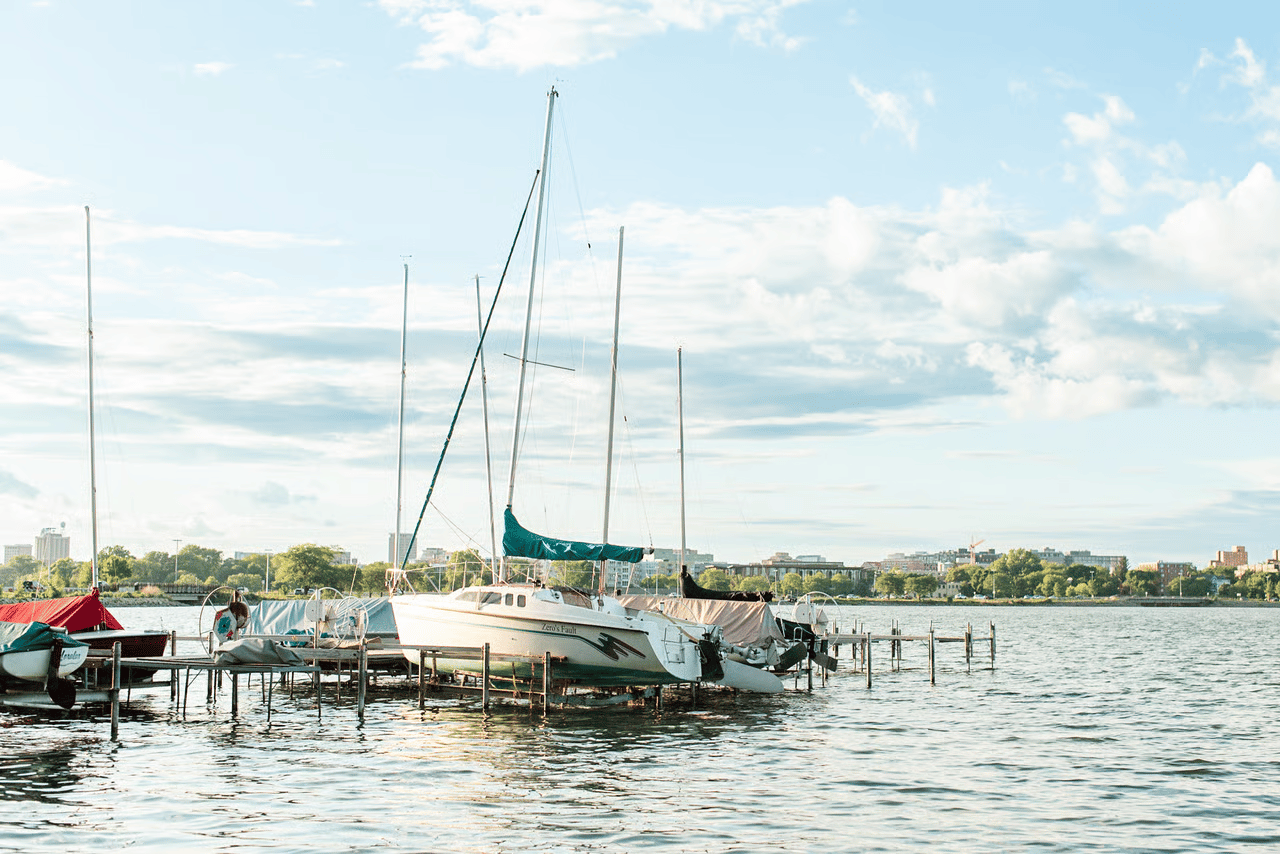
Living near the Madison lakes is the whole point for a lot of people here. Mendota, Monona, the Yahara chain running through the middle of it all.
Most buyers handle the flood question in about ten seconds. They check whether the home sits in a FEMA flood zone, see that it does not, and move on.
That check is worth doing. It just answers a narrower question than most people think.
What the FEMA map actually shows
A FEMA floodplain map shows what floods when the Yahara River, Starkweather Creek, Lake Mendota, or Lake Monona rise. That is real, and if you are in one of those zones you need to know it.
Here is the part the City of Madison says plainly, and almost nobody hears. Much of the flooding that actually happens in Madison is not from the lakes or the river at all. It is from local surface drainage and the storm sewer system. When a heavy rain drops more water than the storm drains can swallow, homes flood that are nowhere near a mapped flood zone. Plenty of Madison also sits in high groundwater areas, where basements take on water seasonally without any rain at all.
So "I am not in a flood zone" and "my home will not flood" are two different statements. The map answers the first one.
What a flood policy covers, and the basement catch
Flood is excluded from every standard homeowners policy. It is its own separate policy, through the National Flood Insurance Program or a private carrier. You can buy it even if you are not in a mapped flood zone, which is exactly the point for a lot of Madison homes.
Now the catch that matters most around here, because we are a basement town.
An NFIP policy treats basements narrowly. Building coverage generally reaches the structure and the equipment that supports it, the furnace, the water heater, the circuit breakers. It generally does not pay for finished basement drywall, flooring, or your belongings down there. Contents coverage is a separate option you add, and even then basement contents are limited.
If you have a finished lower level, that gap is the whole ballgame. Ask specifically what a policy would and would not pay for down there, and ask whether private flood coverage handles it differently.
Flood, sewer backup, and groundwater are three different things
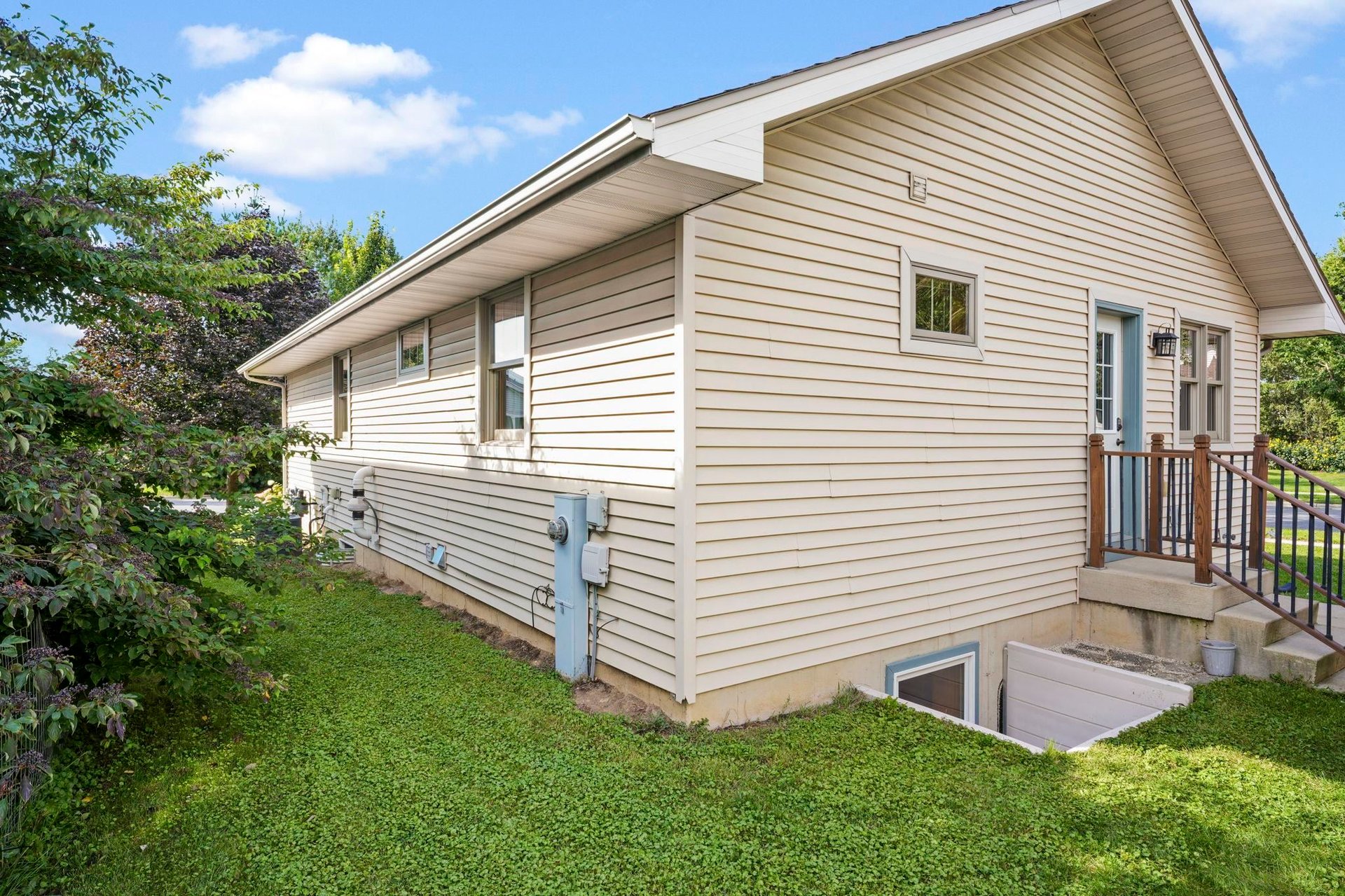
These get mixed up constantly, and they are covered by three different products.
Water rising from outside, off the lake, the river, or a downpour the ground cannot take, is flood, and needs a flood policy. Water coming up through your drains or sump pump is a backup, and needs the water backup endorsement we covered in the sump pump and sewer backup post. Water seeping through a foundation from high groundwater is often neither, and is frequently not covered at all, which is why managing the water around your house matters so much here.
Same wet basement, three completely different answers depending on where the water came from.
The 30-day wait
This is the practical detail to know before you need it.
An NFIP policy generally takes 30 days to take effect. You cannot watch a forecast, buy a policy, and be covered that weekend. Some private flood policies have a shorter wait or none, so ask.
If you are buying near the lakes, that means the flood conversation belongs in your inspection period, not after you move in.
How to check your own address
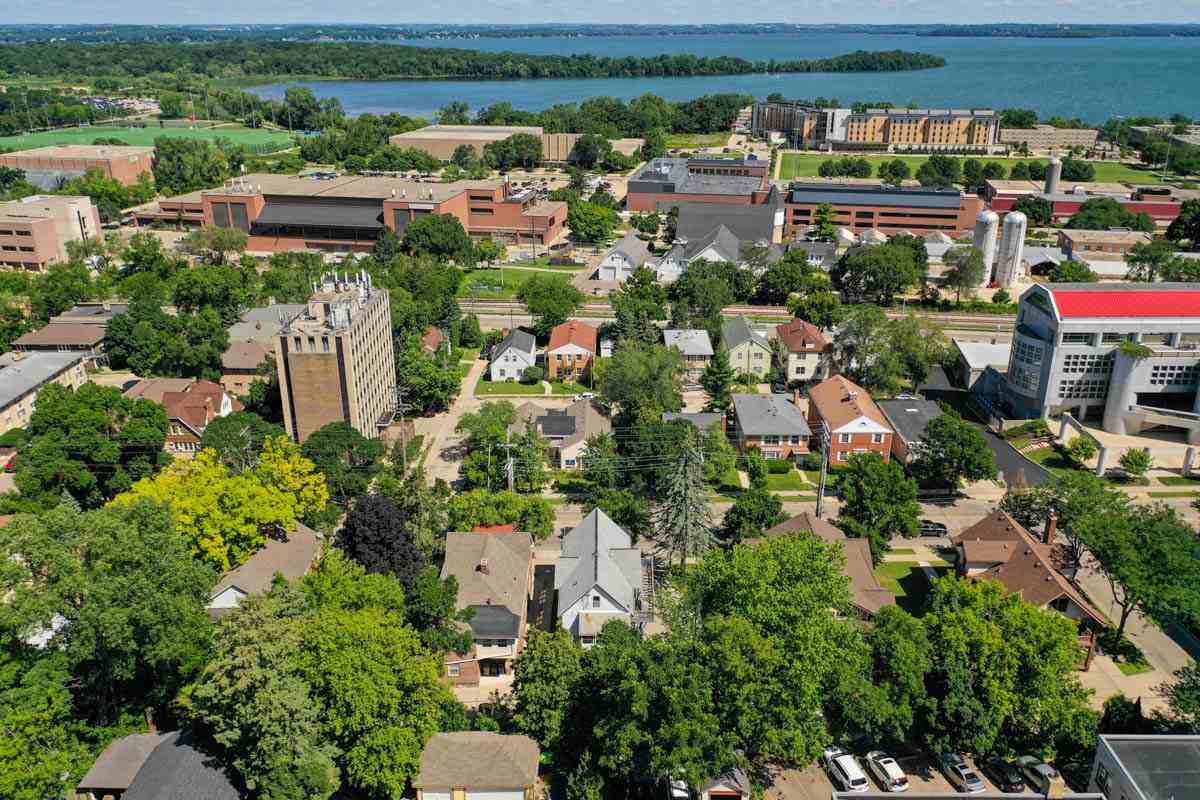
Two steps, both free.
Look your address up on FEMA's Map Service Center to see your actual flood zone. Then call an insurance agent and ask three things. What zone am I in, and does my lender require coverage. What would a policy cost here. And what would it actually pay for in my basement.
If you have a federally backed mortgage on a home in a high-risk zone, federal law requires flood coverage, so that one is not optional. Everywhere else, it is a judgment call, and the honest answer depends on your elevation, your basement, and what is around you.
Frequently asked questions
Do I need flood insurance if I am not in a flood zone?
Not required, but worth pricing. Much of Madison's flooding comes from stormwater and drainage rather than the lakes, and those homes are often outside mapped zones. You can buy a policy either way.
Does my homeowners policy cover any flooding?
No. Flood is excluded from standard policies. It is always a separate policy.
Will flood insurance cover my finished basement?
Only partly, and often less than people expect. An NFIP policy generally covers mechanicals like the furnace and water heater, not finished drywall, flooring, or belongings. Ask your agent directly, and ask about private options.
How fast can I get covered?
An NFIP policy generally takes 30 days to kick in. Some private policies are faster. Either way, do not wait for a forecast.
Is it expensive?
It depends heavily on your exact address, your elevation, and your basement. Two homes a few blocks apart can price very differently, so get a quote for your specific property rather than trusting a neighborhood average.
Looking at a home near the lakes?
The lakes are why a lot of us live here, and the flood question is very manageable when you ask it early. I am not your insurance agent, but I am glad to help you think it through and point you toward trusted local ones.
Read the Madison Homeowners Insurance Guide
Schedule a Call with Cait
Read the Buyer Guide
General information for Madison-area buyers and homeowners. It is not insurance advice. Coverage, limits, waiting periods, and pricing vary by policy and carrier and change over time. Flood risk and coverage details referenced from the City of Madison, the Wisconsin DNR, and the Wisconsin Office of the Commissioner of Insurance. For your specific property, talk with a licensed insurance agent, contact the NFIP Help Center at 1-800-427-4661, or reach the Office of the Commissioner of Insurance at 1-800-236-8517.