Homeowners Insurance in Madison, WI: What Every Homeowner Should Know
You have paid for it every month for years. Do you actually know what it would do for you?
Homeowners insurance is the largest thing most of us buy and never read.
It arrives at closing, it renews on autopilot, and the only time anyone opens the document is after something has already gone wrong. That is the worst possible moment to discover what is and is not in there.
I am not an insurance agent, and nothing here replaces a conversation with one. But after years of watching Madison buyers and sellers run into the same surprises, I can tell you which parts of this actually matter. Here is the plain-English version.
What is actually in the policy

Every homeowners policy sold in Wisconsin bundles four different kinds of coverage into one document.
Property coverage handles your house and your belongings. Liability coverage protects you if someone is hurt on your property or you damage someone else's. Medical payments covers smaller injury costs for a guest, generally without arguing about fault. And additional living expenses pays for somewhere to stay if your home becomes unlivable while it is repaired.
That last one gets overlooked constantly. If a fire or a burst pipe forces you out of the house for three months, that coverage is what pays for the rental. Worth knowing the limit.
Why premiums have been climbing in Wisconsin
Two forces, and neither is really about you.
The first is weather. Wisconsin is a hail state, and hail, wind, and tornadoes drive a large share of the claims paid here. The state's insurance regulator points out that heavy losses across a region push rates up for everyone in that region, even homeowners who never filed a claim.
The second is the cost of rebuilding. Materials cost more than they did a few years ago. Labor is tighter. When an insurer pays out on a house today, that payment is considerably larger than the same claim would have been in 2019. Premiums follow.
Both of these are worth understanding, because they explain something that frustrates a lot of people. Your rate can go up when nothing about your home has changed.
What your policy does not cover
This is the section worth reading twice.
Flood. A standard homeowners policy does not cover flood damage. Not from a river, not from a lake, not from water rising off the ground. Flood coverage comes through the National Flood Insurance Program or a private policy. This matters more than people expect around the Madison lakes and the Yahara chain.
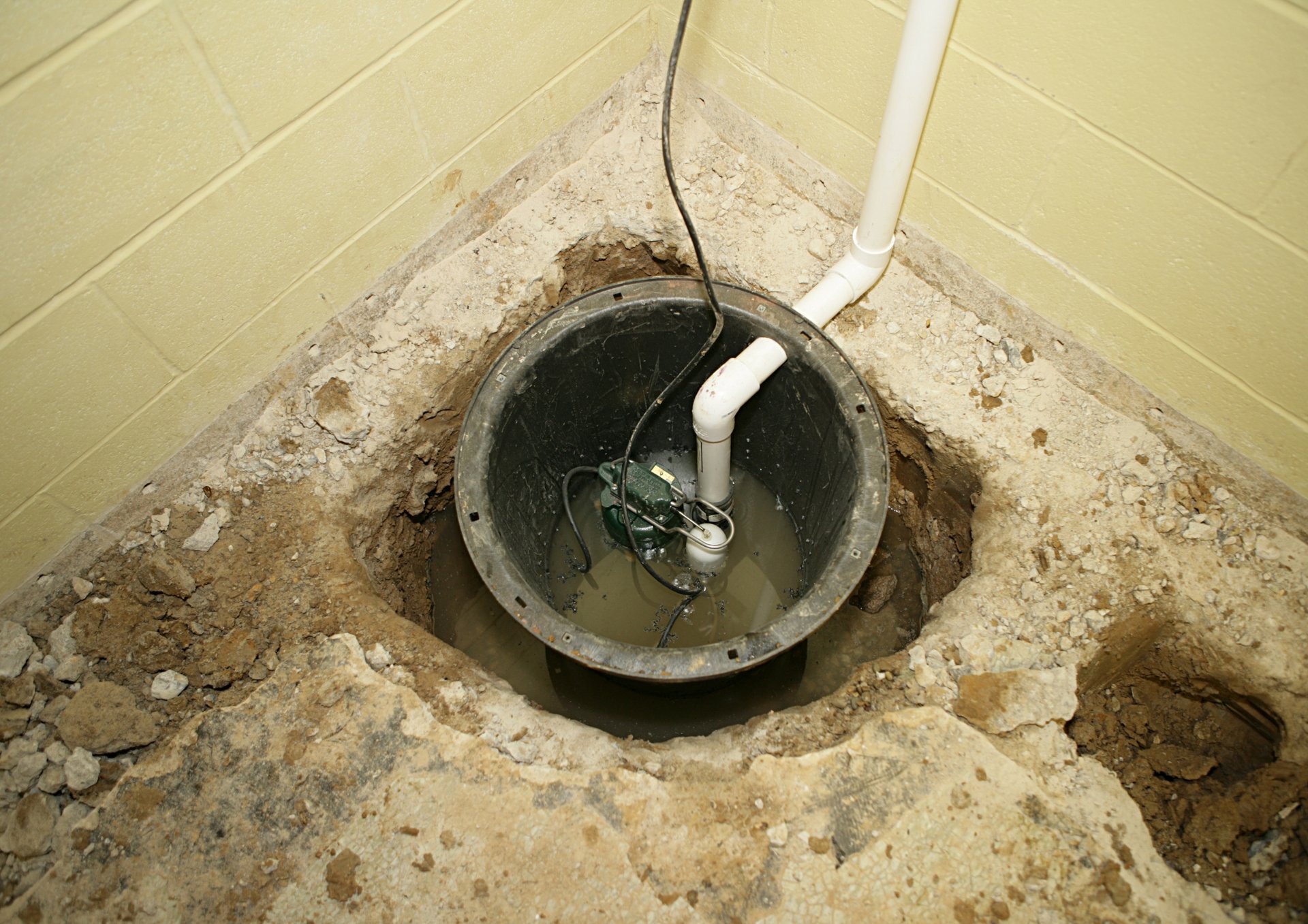
Sewer backup. Also not covered. It is available as an endorsement from most companies, and it is usually inexpensive, but you have to ask for it. If you have a basement and a sump pump, this one deserves your attention. We wrote about why Madison basements get wet separately.
Wear and tear. Insurance covers sudden, accidental events. It does not cover things wearing out. If your roof is simply old and finally gives up, with no storm involved, that is yours to replace.
Code upgrades. If your home is damaged and current building code requires something the old house did not have, most policies will not pay the difference unless you carry a building code endorsement. Older Madison homes, take note.
Replacement cost or actual cash value
These two phrases decide what a check actually looks like.
Replacement cost pays to repair or rebuild at today's prices. Actual cash value pays what the damaged item was worth on the day it was damaged, with depreciation subtracted for age. On a fourteen year old roof, the difference between the two can be many thousands of dollars.
One more distinction that trips people up. Replacement cost is not the same as market value. Market value is what the house would sell for, which includes the land. Replacement cost is what it would take to rebuild the structure. They are different numbers, and the one your policy is built on is the second one.
Most policies carry an inflation guard that nudges your coverage up over time. It helps, but it is not a substitute for checking. Construction costs have moved faster than most people's coverage limits.
This plays out most visibly with roofs, which is why we broke down how roof age is changing coverage in Wisconsin on its own.
Your deductible, and the second one you may not know about
The deductible is what you pay before your insurance pays anything. Higher deductible, lower premium. That trade is straightforward.
What is less obvious is that many Wisconsin policies now carry a separate wind and hail deductible, often written as a percentage of your dwelling coverage rather than a flat dollar amount. On a $500,000 home, a one percent deductible is $5,000, and that is the number that would apply after a hailstorm.
If you cannot say from memory what your deductible is, and whether there is a second one for wind and hail, that is your homework for this week.
When to actually look at all this

Not never, which is the current plan for most of us.
Review your policy once a year at renewal. Review it after any renovation, since a finished basement or an addition changes what it would cost to rebuild. Review it when you buy, before you are fully committed, because coverage problems can affect your loan. And review it when a major system gets replaced, since a new roof or new wiring can change both eligibility and price.
The questions to bring to your agent are simple. Is my dwelling coverage enough to rebuild this house at today's costs. Is my roof covered at replacement cost or actual cash value. What is my deductible, including any wind and hail deductible. Do I have sewer backup coverage. Do I need flood coverage where I live.
If you cannot find coverage at all
Occasionally a home is hard to insure. Old wiring, an aging roof, a claims history, or some combination.
Wisconsin has a backstop for this. The Wisconsin Insurance Plan is a risk-pooling arrangement shared by the property insurers doing business in the state, and it exists for property owners who cannot get coverage through the regular market. It is genuinely last resort, and you have to be turned down by a licensed insurer first, but it is there. Any licensed agent is required to help you apply.
Before that point, keep shopping. Premiums and appetites vary a lot between companies, and a home one carrier will not touch is sometimes routine for another.
Frequently asked questions
Is homeowners insurance required in Wisconsin?
Not by state law. It is almost always required by your mortgage lender, which amounts to the same thing for most buyers.
Why did my premium go up when I did not file a claim?
Because rates reflect regional losses and rebuilding costs, not just your individual history. Storm-heavy years and rising construction costs lift rates across whole areas.
Does my policy cover flooding or a sewer backup?
Neither one, not under a standard policy. Flood coverage is separate. Sewer backup is available as an endorsement you have to add.
How much notice does an insurer have to give before dropping me?
In Wisconsin, an insurer that will not renew your policy generally must give you written notice at least 60 days before the policy expires. Use that time. Do not wait on it.
What if no company will insure my home?
Keep shopping first, since carriers differ. If you are genuinely turned down, the Wisconsin Insurance Plan exists as coverage of last resort, and any licensed agent must help you apply.
How do I know my agent is legitimate?
Verify the agent and the company are licensed in Wisconsin through the Office of the Commissioner of Insurance before you sign anything. A business card is not proof.
Buying or selling in Madison and wondering how insurance fits in?
Insurance quietly shapes what you can buy, what you can close on, and what a home costs to own. I am not your agent for this, but I am glad to help you ask the right questions and connect you with trusted local ones.
Schedule a Strategy Call with Cait
Check our Buyer Guide
Check our Seller's Guide
General information for Wisconsin homeowners. It is not insurance advice, and it is not a legal analysis of your rights under any policy. Coverage, endorsements, deductibles, and underwriting practices vary by company and change over time. Policy and consumer protection details referenced from the Wisconsin Office of the Commissioner of Insurance. Your policy, Wisconsin law, and court decisions establish your actual rights. For your specific situation, talk with a licensed insurance agent, or contact the Office of the Commissioner of Insurance at 1-800-236-8517.