Knob-and-Tube Wiring in Older Madison Homes: What Buyers Should Know
The house was built in 1920 and you love it. But what is behind those walls, and should it change your offer?
Older Madison homes have a lot going for them. Real craftsmanship, big trees, walkable streets, the kind of character newer construction rarely matches.
They can also come with wiring installed back when a radio was the exciting new appliance.
Knob-and-tube wiring shows up in a lot of homes built before the 1950s, which covers a good share of Madison's near-east side, near-west side, and older downtown neighborhoods. If you are buying one of these homes, it helps to understand what it is, what it means for safety and insurance, and how to handle it. The short version: it is not a reason to panic, but it is a reason to plan.
What knob-and-tube actually is
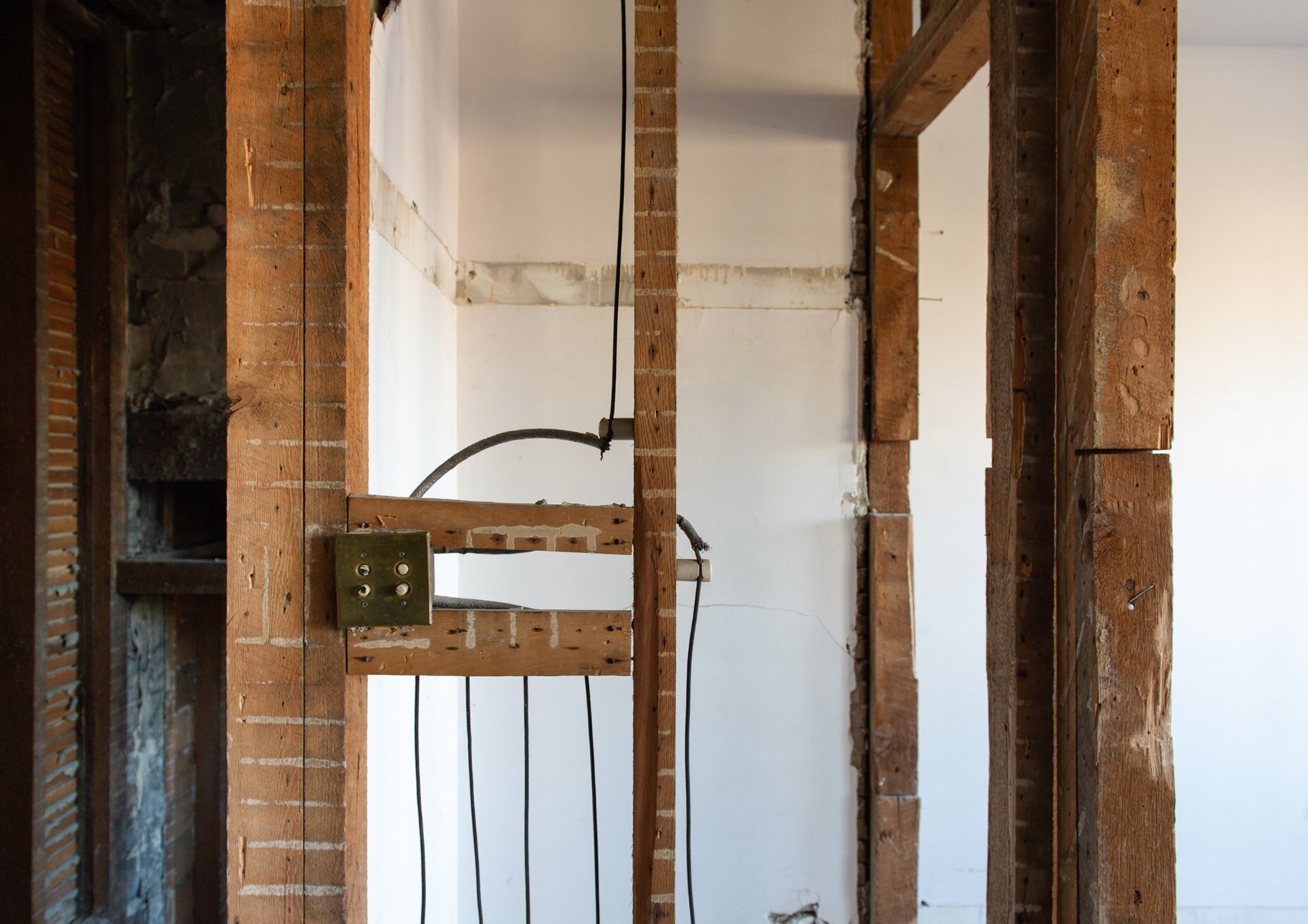
Knob-and-tube is exactly what it sounds like. Copper wires run through ceramic tubes and are held in place by ceramic knobs, threaded through the framing of the house. It was the standard way to wire a home from roughly the late 1800s into the 1950s.
The key difference from modern wiring is what is missing. Knob-and-tube has a hot wire and a neutral wire, but no ground wire. Grounding is the safety path that carries excess electricity away harmlessly, and it did not become standard until later. That single gap is the root of most of the concern around this wiring.
Is it actually dangerous?
Here is the honest answer. Knob-and-tube is not inherently dangerous when it is intact, undisturbed, and left alone. Plenty of it has been quietly doing its job for a hundred years.
The risk comes from age and interference. The original insulation on the wires can dry out and crack over the decades, leaving conductors exposed. Later owners often modify it in ways that were not done well, tying modern circuits into old wiring. And it was designed to shed heat into open air, so burying it under attic insulation, especially blown-in or spray foam, can trap that heat and create a fire risk. Connecting it to modern light fixtures without a proper junction box can overheat it too.
So the real question is usually not whether a home has knob-and-tube, but what condition it is in and what has been done to it over the years. That is a job for a licensed electrician, not a guess.
The insurance catch most buyers do not see coming
This is the part that surprises people, and it is often the bigger issue than safety.
Many insurance companies will not write a standard policy on a home with active knob-and-tube wiring. Some will cover it at a much higher premium, and some require you to replace the wiring within a set window, often 30 to 60 days after your policy starts. That matters more than it sounds, because if you cannot get homeowners insurance, you generally cannot close on your mortgage.
In other words, old wiring is not only a safety and comfort question. It can be a can-I-actually-close question. That is why it is worth sorting out early, not the week before closing.
What replacement looks like
Rewiring a house is a real project, but a known one. The cost varies a lot depending on the size of the home, how the walls are built (plaster is more involved than drywall), and how easy the wiring is to reach. It usually includes patching and repainting where walls had to be opened. Realistically, it can run from several thousand dollars for a small home into the tens of thousands for a larger one.
Two things are non-negotiable. It is always a licensed electrician, never a DIY project, and it needs the proper permits and inspection. While you are at it, an electrician can also flag an old fuse box or certain older panel brands that insurers are wary of, which sometimes need updating along with the wiring.
What to do if you are buying an older Madison home
None of this should scare you off a home you love. It just means doing a little homework.
Have a licensed electrician evaluate the wiring during your inspection period, beyond the general home inspection. Do not assume a newer panel in the basement means the whole house is updated, because it is common to find modern panels still feeding old knob-and-tube behind the walls. Call your insurance agent early to find out whether they will cover the home and on what terms. And use what you learn. Buyers often negotiate for the seller to rewire before closing or to credit the cost.
A known issue you have planned and budgeted for is a completely different thing than a surprise you find after you move in.
Frequently asked questions
Is knob-and-tube wiring illegal?
No. Existing knob-and-tube is generally allowed to remain in place. New installations are not permitted, and any changes have to meet current code. For most buyers, the practical hurdle is insurance, not legality.
Can I just add attic insulation if there is knob-and-tube up there?
Be careful with this one. The wiring was designed to release heat into open air, so burying it in insulation can trap heat and create a fire risk. Have an electrician confirm what you are working with before adding insulation.
Does a new electrical panel mean the wiring is updated?
Not necessarily. It is common to find a modern panel in the basement still feeding old knob-and-tube in the walls. Only an electrician tracing the actual circuits can tell you for sure.
Will I be able to get homeowners insurance?
Often only if the wiring is replaced, sometimes within a set window after closing. Some buyers use a short-term or specialty policy while the work gets done. Talk to your insurance agent before you commit, since coverage can affect your loan.
Should I walk away from a home with knob-and-tube?
Not necessarily. Plenty of beautiful older Madison homes have been fully rewired, and many more can be. It just needs to be understood, priced in, and planned for rather than discovered later.
Falling for an older Madison home?
Older homes are some of the best around here, and old wiring should not scare you off the right one. If you are weighing one, I am glad to walk you through what to check and connect you with trusted local electricians.
Schedule a Call with Cait
Browse Madison Listings
Read the Buyer Guide
General information for Madison-area buyers and homeowners. It is not electrical, safety, or insurance advice. Have wiring evaluated by a licensed electrician and coverage questions reviewed by a licensed insurance agent.