Well and Septic: What Rural Dane County Buyers Need to Know
No city water, no city sewer. So how do you actually know what you are buying?
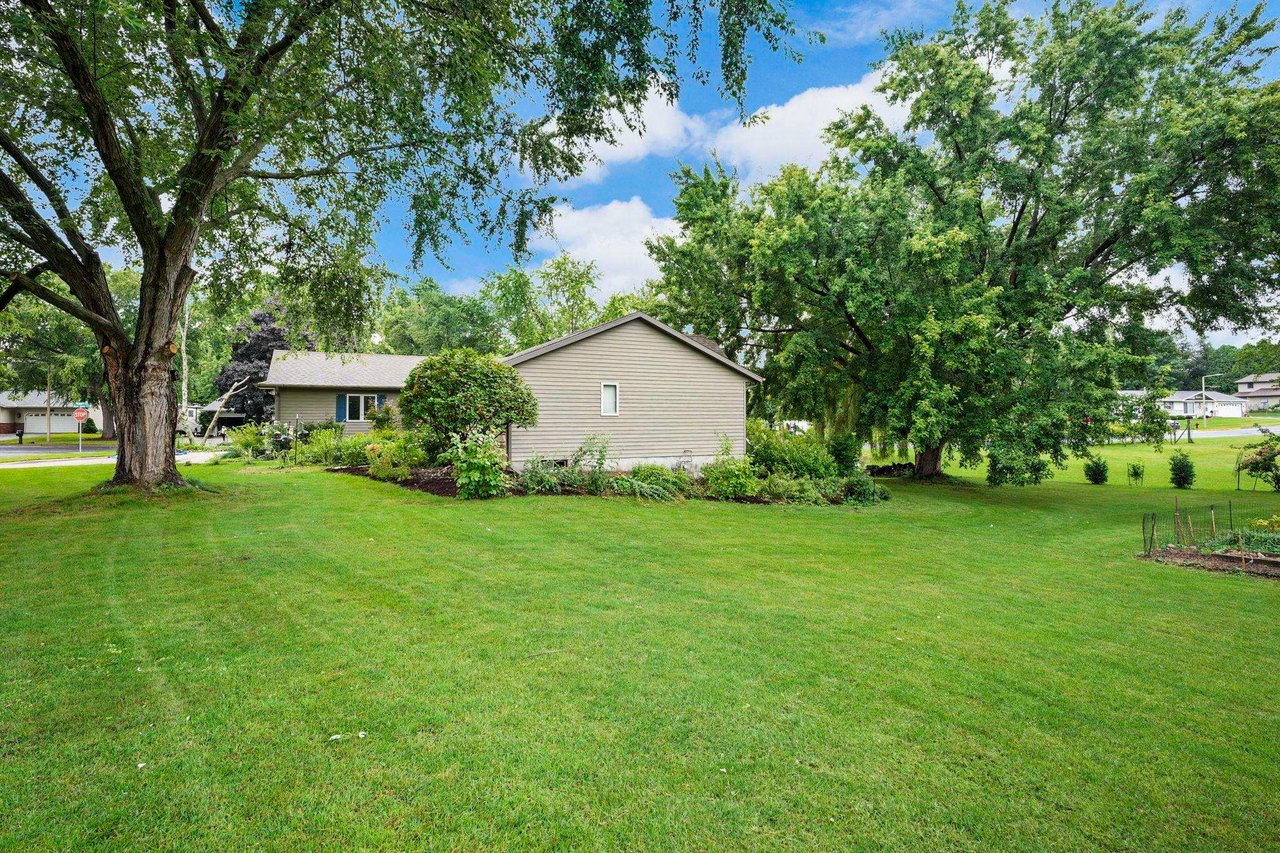
Some of the best homes in Dane County sit outside the city limits. More land, more privacy, more quiet. They also come with two things city buyers never have to think about, because the city handled them invisibly: your water and your wastewater.
Out here, those are your systems. A private well brings your water in. A septic system handles what goes out. Neither one is hard to own, but both are worth understanding before you buy, because surprises with either get expensive.
Here is what to know.
The well, your water supply
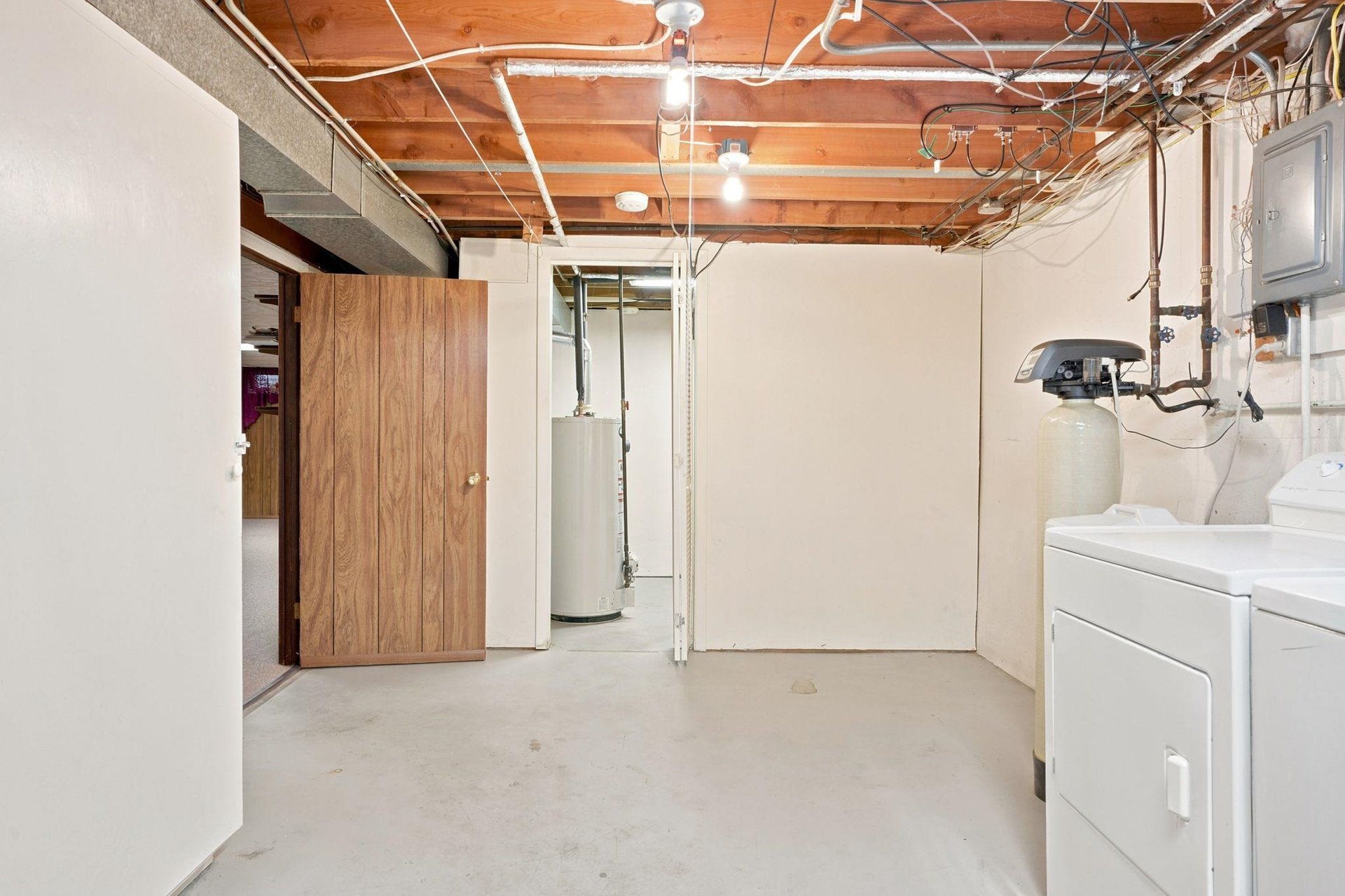
A private well is exactly what it sounds like. Your drinking water comes from the ground on your property, not from a municipal system, and no city utility is treating or testing it for you. That part is on the owner.
Which is why testing matters. Public Health Madison and Dane County recommends testing private well water every year, usually for bacteria and nitrates, the two most common concerns. It is also worth retesting any time the water changes in taste, color, or smell, or after flooding or work on the well.
When you are buying, the move is simple. Test the water during your inspection period, the same way you would inspect the home itself. It is inexpensive and it tells you something real before you commit. Some loan programs require a well water test before closing anyway, so it is often part of the process regardless.
The septic system, your wastewater
On the other end is the septic system, which the state formally calls a POWTS. In plain terms, a tank collects and separates the waste, and a drainfield disperses the treated water back into the soil. When it is working, you never think about it.
Dane County keeps these systems on a maintenance schedule, and it is good to understand it. Most systems need to be inspected or serviced every three years. During that inspection, if the combined sludge and scum in the tank is less than a third of the tank, the inspection alone satisfies the requirement. If it is more than that, the tank gets pumped. The county tracks all of this, sends reminder notices, and even lists a small annual maintenance fee, around $12 per system, right on your property tax bill.
When you are buying, two things matter. Have the system inspected during your inspection period, and ask for its history. Because the county keeps permit, design, and maintenance records, you or your agent can usually find out the system's age, type, and service record before you ever close.
What this means if you are buying

None of this should scare you off a rural home. It just means doing a little homework the city would normally do for you.
Test the well water and inspect the septic during your inspection period. Find out the age and type of each system, since a newer mound system and a decades-old tank are very different things to take on. Confirm the records line up with what you are told. And go in with eyes open on cost. Routine ownership is modest, an annual well test, the small county fee, and pumping every few years when needed. The expense to watch for is a failing septic system, since repair or replacement is one of the pricier things a rural property can need. Wisconsin does run a grant program that can help income-eligible owners with a failing system, which is worth knowing about.
That is the whole point of inspecting before you buy. A well and septic in good shape are simply part of rural life here. A tired system you did not know about is the surprise you want to avoid.
Frequently asked questions
How often should I test a private well?
Public Health Madison and Dane County recommends testing every year, usually for bacteria and nitrates. Test sooner if the water changes in taste, color, or smell, or after flooding or any work on the well.
Do I really need to test the well when I buy?
It is strongly recommended, and some loan programs require it before closing. Build it into your inspection period so you know the water is safe before you commit.
How often does a septic system need service in Dane County?
Every three years for most systems. A visual inspection satisfies the requirement if the tank is less than a third full of solids. If it is more than that, it gets pumped. The county tracks this and sends reminders.
What is the small septic fee on the tax bill?
That is Dane County's annual maintenance fee, around $12 per system. It funds the county's tracking and reminder program. It does not cover the actual pumping, which you pay your septic professional for.
Can I see a septic system's history before I buy?
Often yes. The county keeps permit, design, and maintenance records, so you or your agent can request the file and review the system's age, type, and service record.
Looking at a home outside the city?
Rural Dane County has some of the best homes around, and a well and septic should never scare you off. They just deserve a closer look. If you are considering a place with its own water and wastewater, I am glad to walk you through what to check and connect you with the right local inspectors.
Schedule a Call with Cait
Browse Madison Listings
Read the Buyer Guide
General information for Dane County buyers and homeowners. It is not legal or professional inspection advice. Well and septic guidance referenced from Public Health Madison & Dane County and the Wisconsin Department of Safety and Professional Services. For your specific property, contact Public Health Madison & Dane County or a licensed well and septic professional.