Winterizing Your Madison Home: Ice Dams, Frozen Pipes, and What Actually Matters
The first hard freeze always finds the weak spot in a house. Is yours ready for it?
There is a version of winter prep that is mostly vibes. Swap the wreath, dig out the good blankets, accept that it is going to be cold for a while.
Then there is the version that actually protects your home.
In Madison, the two things most worth your attention are ice dams and frozen pipes. Both are common here. Both can do real and expensive damage. And both are largely preventable if you handle a few things before the cold really sets in.
Here is what actually matters.
Ice dams: a roof problem that starts inside
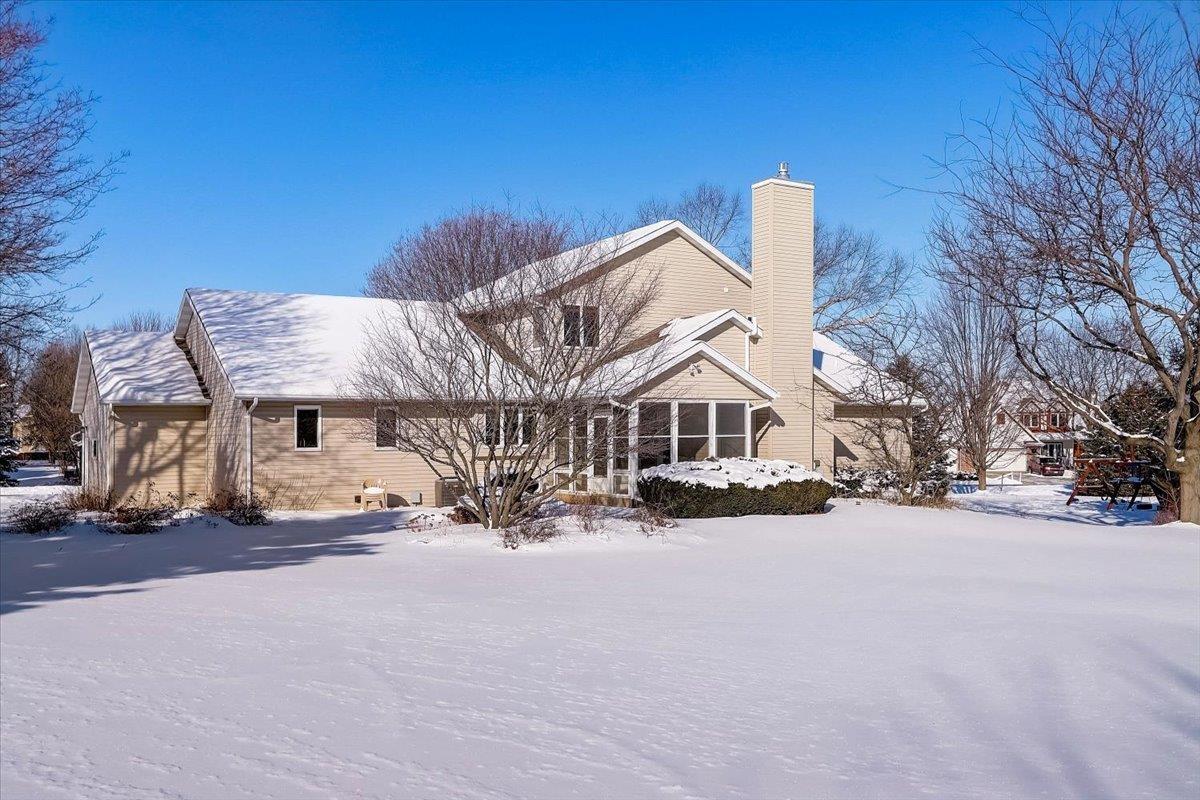
The icicles hanging off a roofline can look almost festive. The ice dam behind them is the part to worry about.
Here is what is actually happening. Heat escaping from your living space rises into the attic and warms the underside of the roof. Snow on the roof melts, runs down toward the colder edges and gutters, and refreezes there. Do that enough times and you get a ridge of ice at the eaves. Water then backs up behind it, works its way under the shingles, and finds its way into ceilings and walls.
The important thing to understand is that an ice dam is a symptom, not the cause. It is a sign that heat is leaking out of your home where it should not. That is why the real fix is not chipping at the ice every February. It is keeping the roof cold and even in the first place, through good attic insulation, sealing the air leaks where warm air sneaks up (think recessed lights, the attic hatch, plumbing and duct openings), and proper attic ventilation. Keeping gutters clear before winter helps too.
If you already have ice building up, a roof rake to pull snow off the lower edge from the ground is the safer move. Climbing up to hack at ice tends to damage shingles and put you at real risk, so an active dam is usually worth a call to a pro.
Frozen pipes: the small step that prevents the big mess
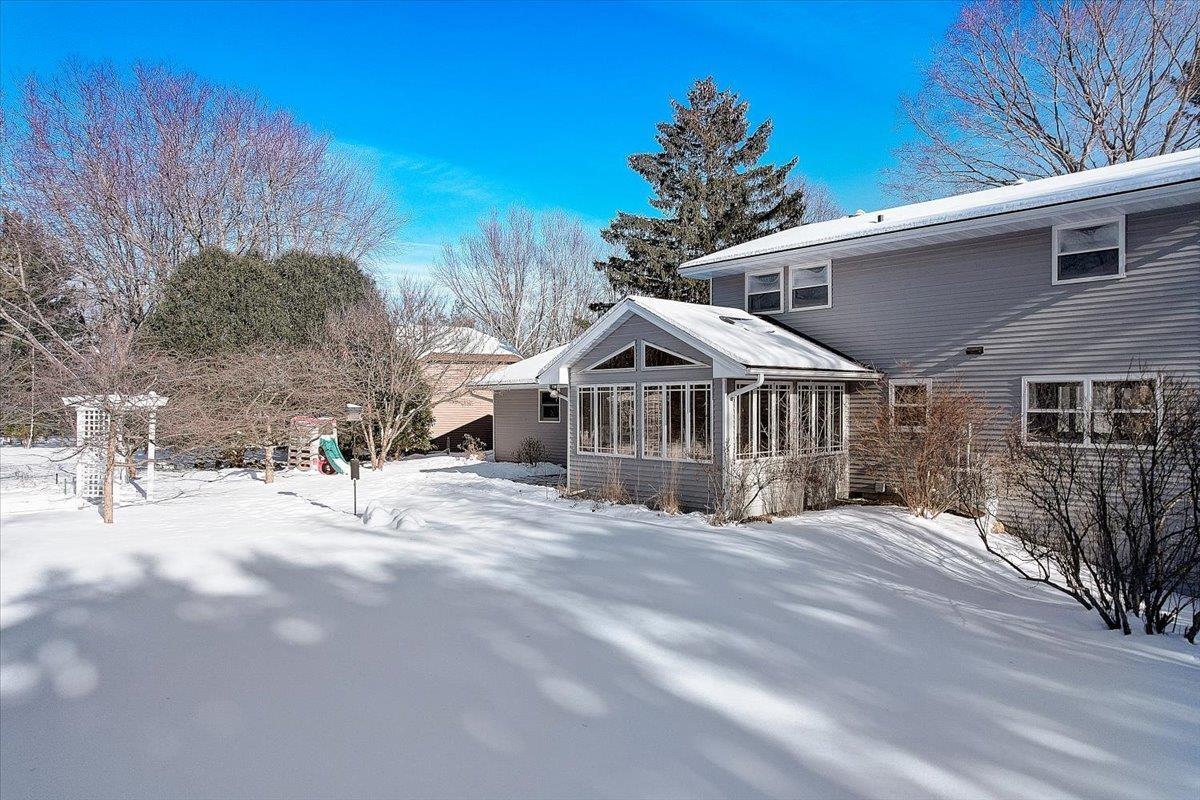
Frozen pipes are the other classic Madison winter problem, and the damage from a burst pipe can be staggering. The good news is that prevention is mostly simple, and Madison Water Utility puts out clear guidance on it every year.
The basics, before the first deep freeze:
- Disconnect and drain your garden hoses, then shut off and drain the outdoor spigots.
- Insulate pipes in unheated spots like crawl spaces, unheated garages, attics, and near basement windows.
- Leave some heat reaching unused or unheated areas rather than closing them off entirely.
- Find your master water shut-off valve, usually in the basement, and make sure everyone in the house knows where it is.
- Keep furnace vents clear of snow and ice. A blocked vent can cause a dangerous carbon monoxide backup.
The single biggest risk is an empty house. Most burst-pipe disasters happen when no one is home to catch it. If you travel for a few days, keep the thermostat at 55 degrees or higher and open the cabinet doors where plumbing runs along an exterior wall so warm air can reach it. If you leave for the winter, have the home professionally winterized.
And if a pipe does freeze, never try to thaw it with an open flame. Call a plumber. If one bursts, get to that shut-off valve.
If you are buying or selling this winter
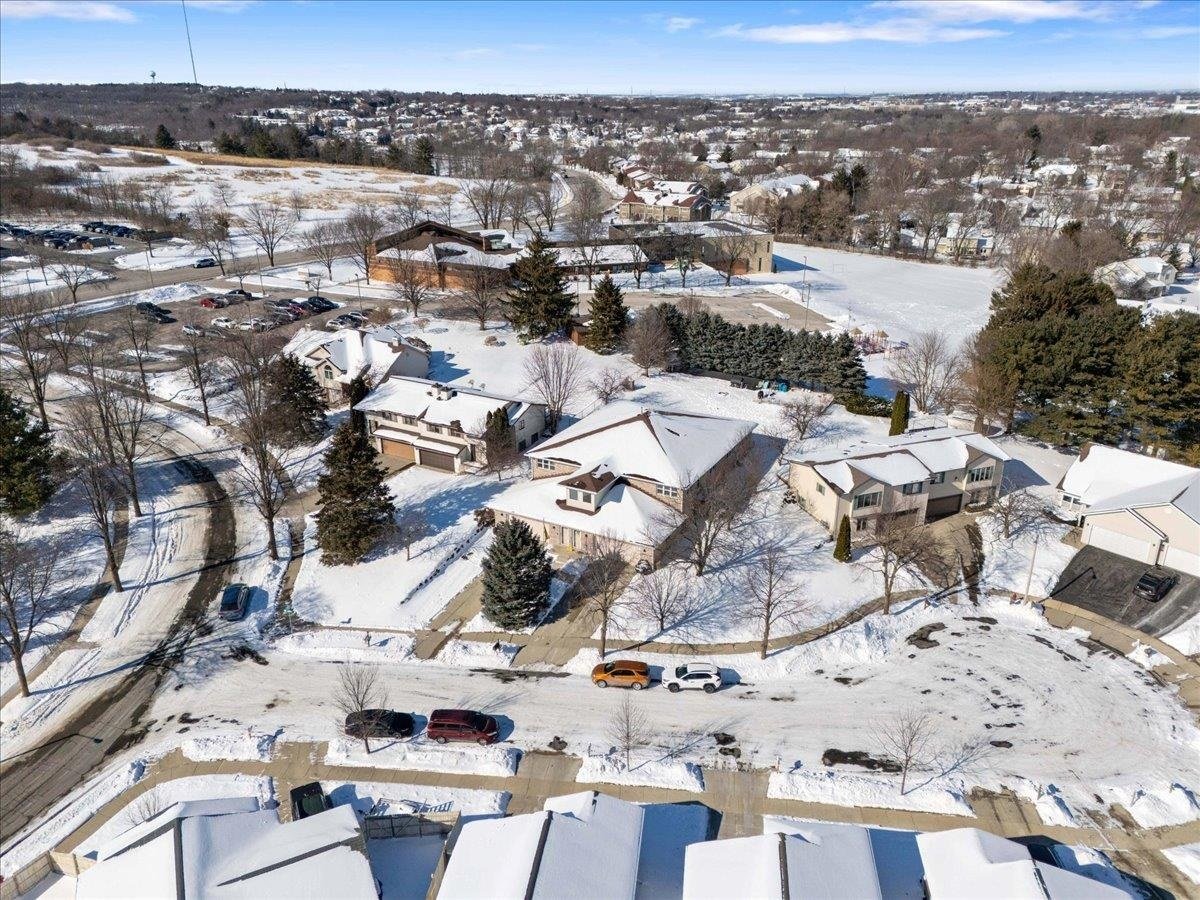
Winter changes what is worth looking at on a home.
If you are buying, a winter walk-through can actually tell you things a summer one cannot. Water stains on upstairs ceilings or near exterior walls, peeling paint, or a damp-smelling attic can all point to past ice dam trouble. None of it is automatically a dealbreaker. It is just worth understanding what you are taking on, and good attic insulation is a quiet green flag.
If you are selling and the home is vacant, keep the heat on at 55 or above and do not skip the basics. A frozen pipe during your listing period is the kind of surprise nobody wants in the middle of a sale.
Frequently asked questions
What actually causes ice dams, the cold or my house?
Mostly your house. Cold weather alone does not create them. They form when heat escaping into the attic melts snow that then refreezes at the colder edges of the roof. That is why air sealing, insulation, and attic ventilation matter more than the temperature outside.
Should I knock the icicles and ice off my roof?
It is better not to. Chipping at ice can damage shingles and is a genuine injury risk. Pulling snow off the lower roof with a roof rake from the ground is safer, and an active ice dam is usually worth handing to a professional.
How do I keep pipes from freezing when I travel?
Keep the thermostat at 55 degrees or higher, open the cabinets where plumbing sits against an exterior wall, and have someone check on the house. For a longer absence, have the home professionally winterized.
What do I do if a pipe freezes or bursts?
Never use an open flame to thaw a frozen pipe. Call a plumber. If a pipe bursts, shut the water off at your master valve, which is usually in the basement. Knowing where it is before you need it is half the battle.
Does an older Madison home carry more winter risk?
Sometimes. Older homes often have less attic insulation and more air leaks, which raises ice dam risk, and plumbing in unheated spots can be more vulnerable. It is all manageable. It is just worth knowing about and addressing rather than discovering in January.
Getting a Madison home ready for winter, or buying one?
Whether you are prepping your own home or sizing up one you are about to buy, a little winter know-how goes a long way here. I am happy to talk through what to look for and point you toward trusted local pros.
Schedule a Call with Cait
Read the Buyer Guide
Read the Seller's Guide
General information for Madison-area homeowners. It is not professional building, plumbing, or roofing advice. Frozen pipe guidance referenced from Madison Water Utility and the City of Madison.