Wet Basements in Madison Homes: Why They Happen and What to Do About It
Is your basement just a little damp, or is it trying to tell you something?
Basements in Madison get wet. Some more than others, some only once a decade, but own a home here long enough and water tends to find a way to introduce itself.
The encouraging part is that most basement water is a drainage problem, not a foundation problem. Those are very different things, and confusing the two is how people end up either panicking or overspending.
So before you assume the worst, it helps to understand what is actually going on down there.
Why Madison basements are prone to water
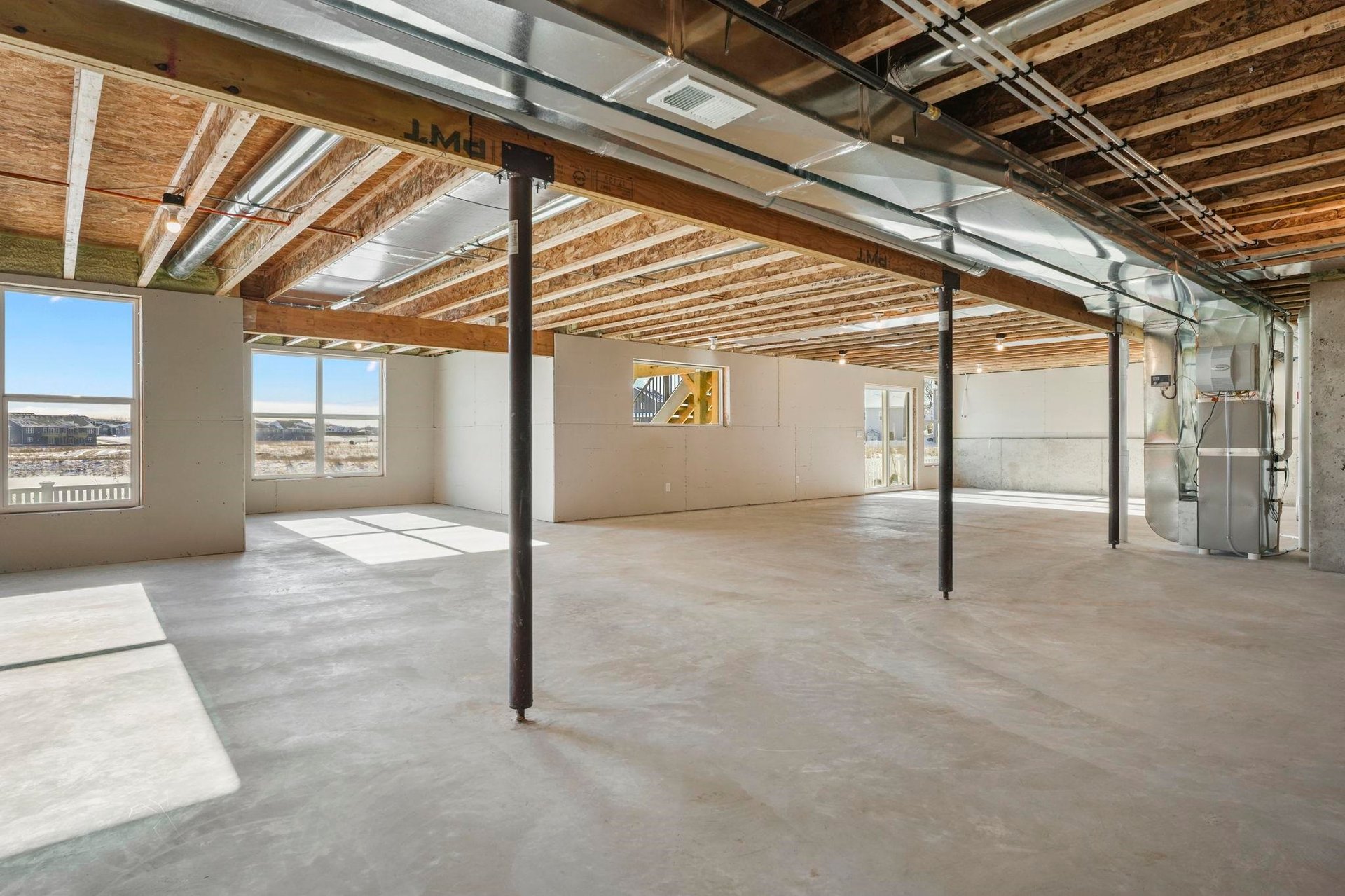
A few things about this area stack the deck. Much of southern Wisconsin sits on heavy clay soil, which drains slowly, expands when it gets wet, and presses against foundation walls. Add flat terrain, a high water table in many neighborhoods, and the one-two punch of spring snowmelt and summer downpours, and water has plenty of reasons to gather around a foundation.
There is also more water in play than people picture. In a one-inch rain, roughly 1,250 gallons fall on the roof of an average-sized house. When gutters, downspouts, and grading are not doing their job, some of that water ends up against your foundation instead of away from it.
Older parts of Madison add another wrinkle. Some neighborhoods were built on former low or wet ground that was filled in decades ago, and as our rainfall has crept up over the years, groundwater in those areas has risen along with it. In some homes that means a sump pump running close to year-round.
The two kinds of wet
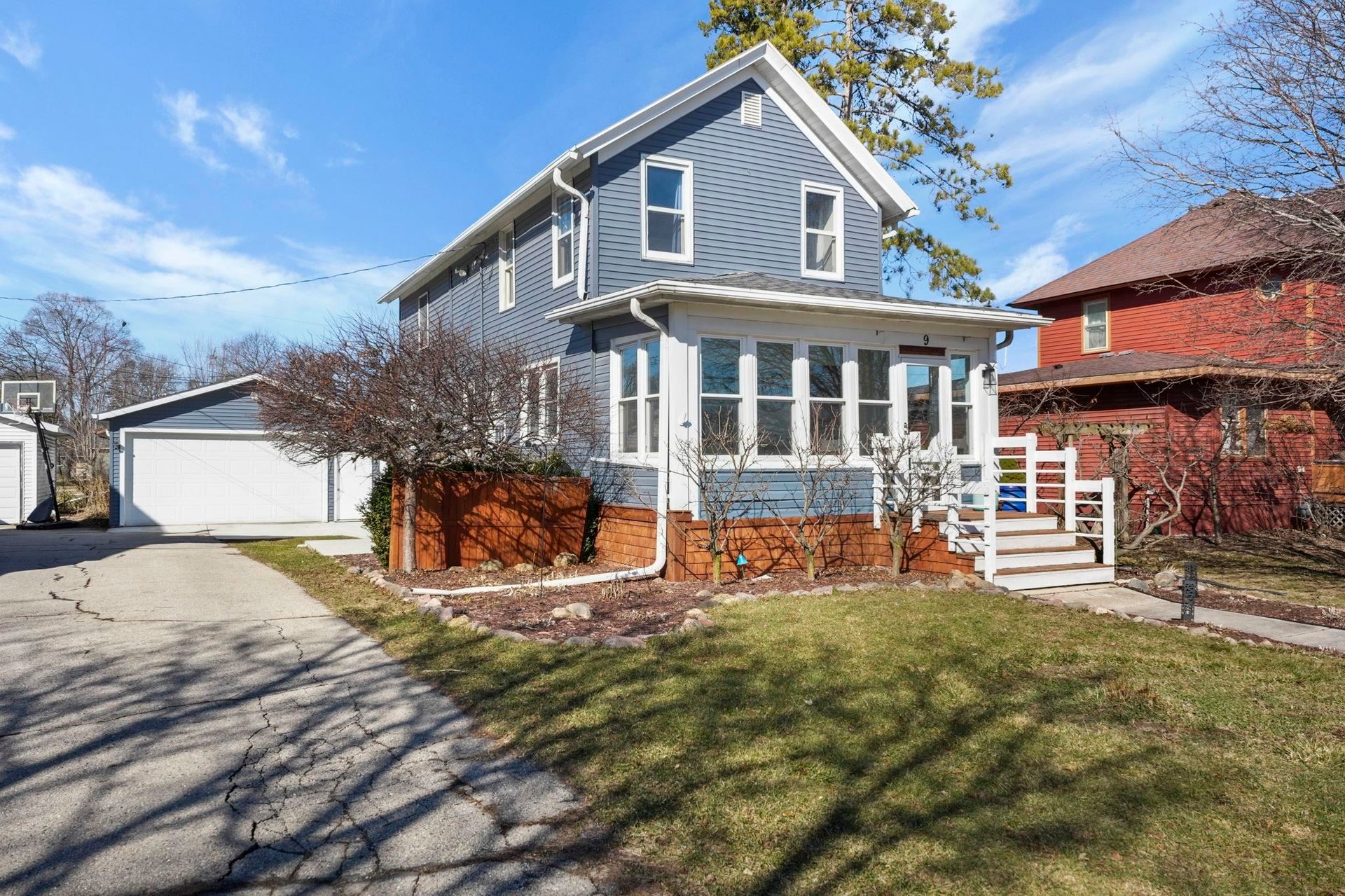
Not all basement water is the same, and the difference points you straight toward the fix.
Surface water comes from above. Rain and snowmelt that should be flowing away from the house pool near it instead, usually because of clogged gutters, downspouts that empty right at the foundation, or a yard that slopes the wrong way. It tends to show up after storms and enters near cracks or the top of the foundation. This is the cheaper kind to deal with, and it is handled outside.
Groundwater comes from below. When the water table rises, it presses up against the underside of the basement and finds its way in through the floor or the joint where the floor meets the wall. This is the kind that calls for a drainage system and a sump pump rather than a downspout extension and a bag of mulch.
Figuring out which one you have is most of the battle.
What actually fixes it, cheapest first
The smart order of operations runs from the outside in.
Start with the easy, inexpensive things, because they solve a surprising share of problems. Clean the gutters. Extend the downspouts so they release water well away from the house instead of beside it. Regrade so the ground slopes away from the foundation, roughly six inches over the first ten feet. The City of Madison actually recommends tackling exterior water this way first, before anything more involved.
Inside, a dehumidifier keeps basement humidity in a healthy range and handles that musty smell, which is usually a moisture issue rather than water on the floor.
For groundwater, the answer is a sump pump, often paired with a drain tile system that channels water to the pit so the pump can send it back outside. A few things worth knowing. A sump pump in a Madison basement is completely normal, not a warning sign. Most last somewhere around seven to ten years. And a battery backup matters more than people expect, because the storms that flood basements are the same ones that knock out the power, right when you need the pump most. One local detail: installing a sump pump in Madison requires a building permit, so it is worth using a pro who handles that.
If you are buying or selling

Water is one of those things a winter or dry-summer walk-through can quietly hide.
If you are buying, look past a tidy basement. White chalky residue on the walls, water stains low on the foundation, a musty smell, or fresh paint only along the bottom of the walls can all hint at past water. A sump pump is expected here, so the question is not whether there is one, but whether it works and has a backup. If you can, pay attention after a heavy rain or during spring thaw, which is when problems actually show themselves.
If you are selling, deal with moisture before you list. A damp, musty basement reads as deferred maintenance even when the real issue is minor and fixable. Make sure the sump pump runs, consider adding a backup, and be straightforward about any history. Buyers forgive a solved problem far more easily than a surprise.
Frequently asked questions
Is a sump pump in a Madison basement a bad sign?
No. It is normal and expected, especially in homes built since the mid-1980s and in lower-lying or filled areas. What matters is that the pump works and, ideally, has a battery backup.
My basement only gets wet in heavy storms. Is that serious?
Often it points to surface water and saturated soil rather than a structural problem. Start with gutters, downspouts, and grading. If water keeps coming after that, you may be dealing with groundwater and need a drainage system.
How do I tell a drainage problem from a foundation problem?
Most basement water is drainage, not structure. Bowing walls, or long horizontal or stair-step cracks, are the kind worth a professional opinion. A damp corner after a downpour usually is not.
What is the cheapest thing that actually helps?
Usually the work outside. Clean gutters, downspouts that carry water well away from the house, and grading that slopes away from the foundation solve a lot of problems for very little money.
Does my sump pump really need a battery backup?
In Madison, it is a smart investment. The heavy storms that overwhelm a basement are often the same ones that cause power outages, which is exactly when the pump needs to keep running.
Wondering what a basement is really telling you?
Whether you are trying to keep your own basement dry or sizing up one in a home you might buy, it helps to know the difference between a quick fix and a real project. I am glad to talk it through and point you toward trusted local pros.
Schedule a Call with Cait
Read the Buyer Guide
Read the Seller's Guide
General information for Madison-area homeowners. It is not professional foundation, drainage, or waterproofing advice. Basement drainage and sump pump guidance referenced from the City of Madison. A building permit is required to install a sump pump in Madison.