Overrated vs. Underrated: What Actually Matters in Your Last House
The features people shop for and the features they end up living with are rarely the same list.
There is a version of this decision that happens on paper. Bedrooms, bathrooms, square feet, and a number at the bottom.
Then there is the version that happens in February, when you are carrying groceries across an icy driveway and the door you need is up three steps.
Most people shop the first list. They live in the second one.
Here is a useful piece of context before any of it. Housing researchers who study long-term livability tend to look at the same short list of features. No-step entry, single-floor living, lever door handles, reachable electrical controls, and wide doors and hallways. Very few homes have all five.
That is not a reason to despair. It is a reason to be deliberate. You are not going to find the house that has everything. You are going to be choosing which things to weigh heavily and which to let go. Here is where I would spend that attention.
Overrated: Square footage as the measure
Downsizing gets scored by the number. You went from 2,800 square feet to 1,600. Progress.
The problem is that the number does not describe what you lost. Advisors who work with retirees after a move tend to report the same complaint, which is a lack of space, but pressed on the details it is almost never about size in the abstract. It is a hobby that has nowhere to happen. It is an office that became a spare bedroom that became a storage room. It is nowhere to put grandchildren over Thanksgiving.
They do not miss the square footage. They miss the function.
So the more useful question when you are standing in a house is not how big it is. It is which of the things you actually do would still have somewhere to happen here. If the answer is most of them, the number matters less than you think. If the answer is that three of them are homeless, a bigger version of the same layout will not fix it.
Underrated: The path from the car to the kitchen
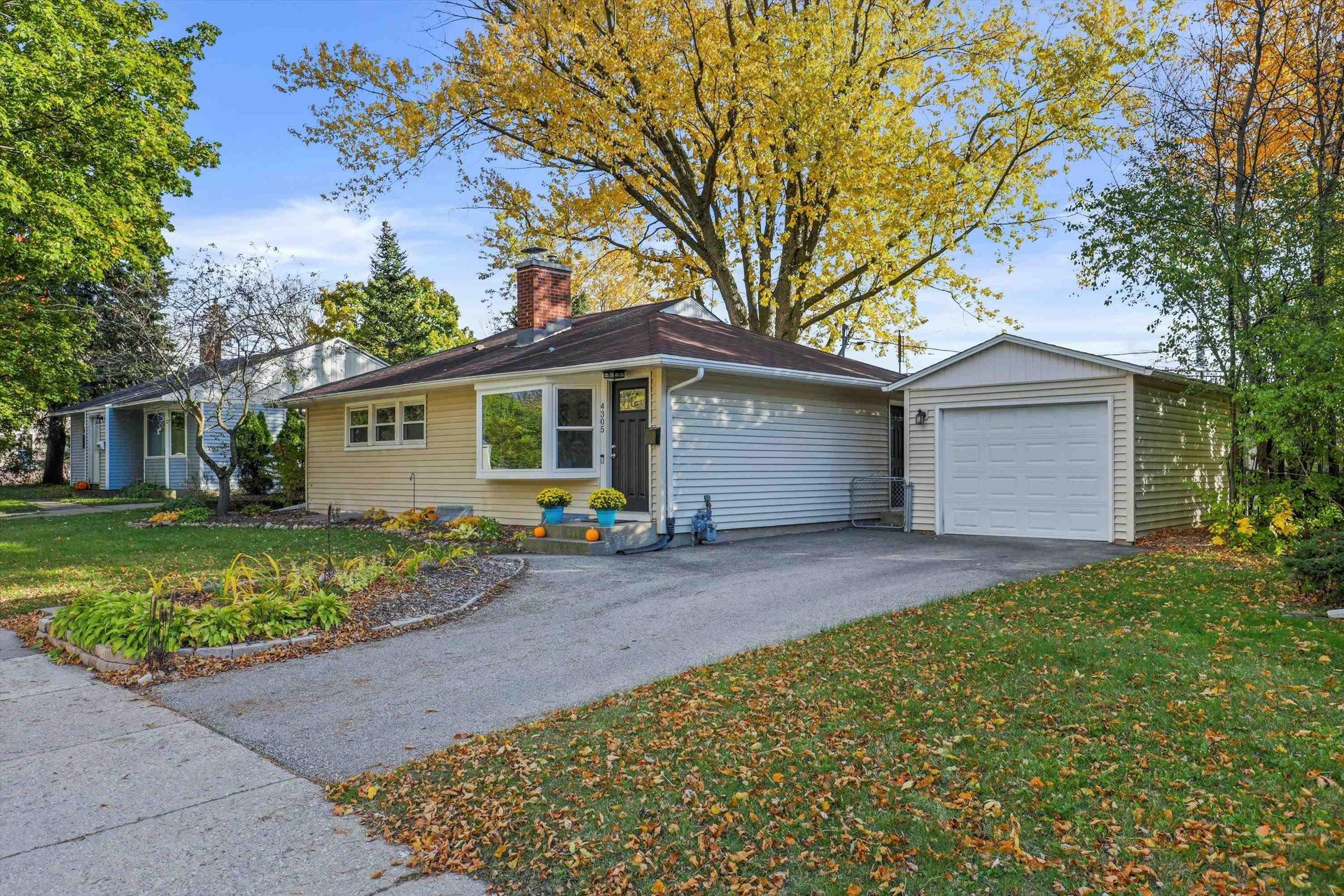
This is one of the most overlooked things on any tour, and in Wisconsin it is not a small thing.
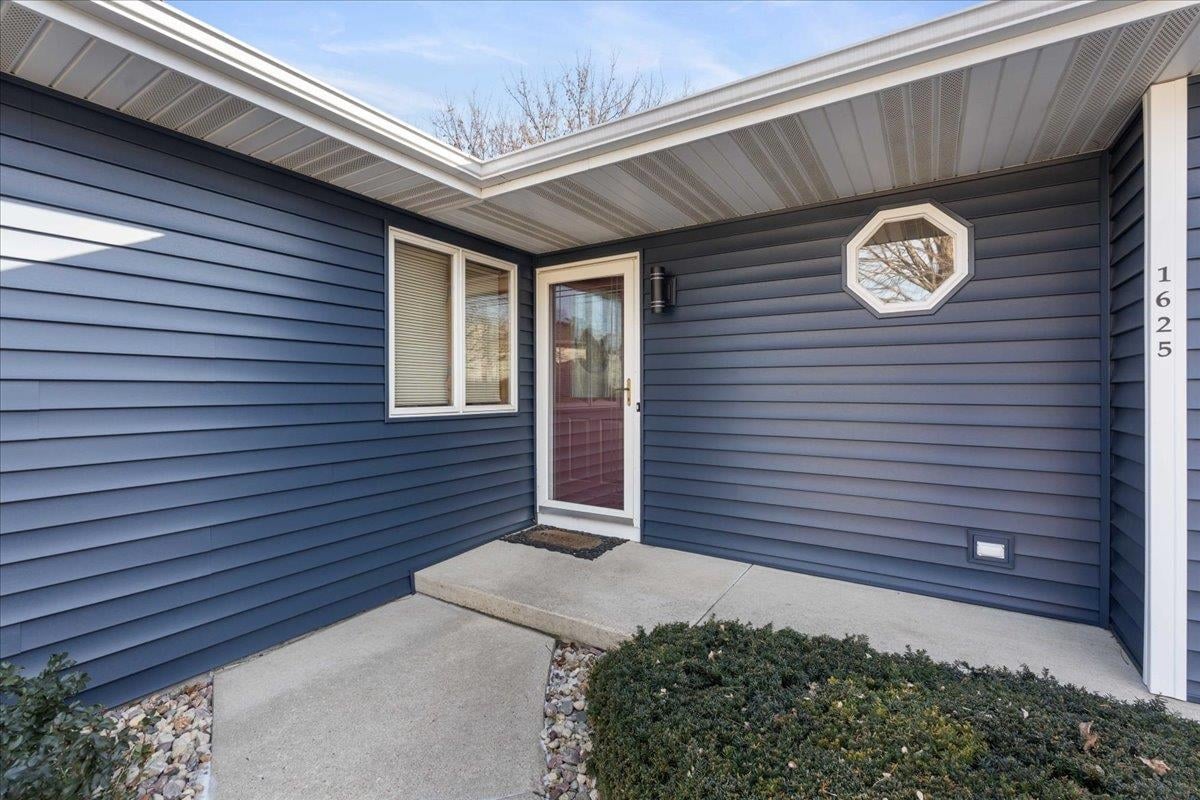
Walk it. From where the car actually parks, to the door you would actually use, to the counter where the bags actually land. Count the steps. Notice the threshold heights. Notice whether you would be doing that walk uncovered.
Designers who work on aging in place tend to say the same thing about it. Minimizing the steps between the driveway, the garage, the entry, and the main living areas makes a home easier to navigate for everyone, not only people with mobility limits. Step-free access helps anyone carrying something in both hands.
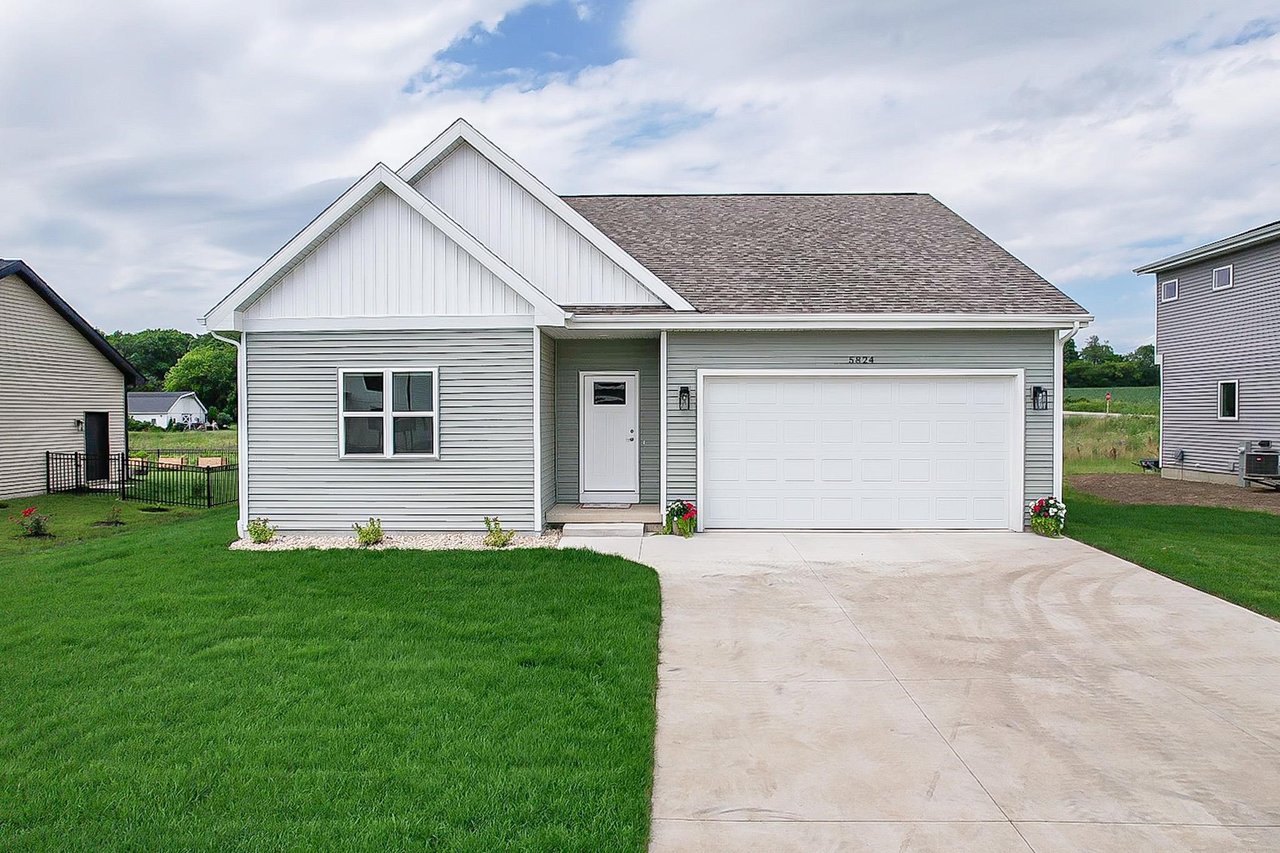
In Madison that stops being theoretical for a good stretch of the year. A detached garage is a non-issue in June. In January it is a walk across ice with your arms full, twice a day, in the dark. An attached garage with a level path to the kitchen is one of the few features that changes your daily experience of a house every single winter you own it.
While you are walking it, look at where the light lands. Our winter afternoons end early, and a house that feels bright on a July tour can feel like a different building in December. It is worth asking which rooms get sun in the months you will be inside the most.
Overrated: Room count

Three bedrooms sounds safer than two. It is also two rooms you heat, clean, and pay taxes on so that someone can sleep in one of them a few nights a year.
The instinct behind it is right. You do want somewhere for people to land, and somewhere for the things you care about doing. The mistake is assuming that has to arrive as bedrooms.
Builders have been moving this direction for a while, trading single-purpose rooms for flex rooms that can serve as an office, a guest room, or a hobby space depending on the week. One well-placed flex room with a closet and a door will do more work than a third bedroom that only ever holds a bed.
Count what the rooms can do, not how many there are.
Underrated: Doorway and hallway width
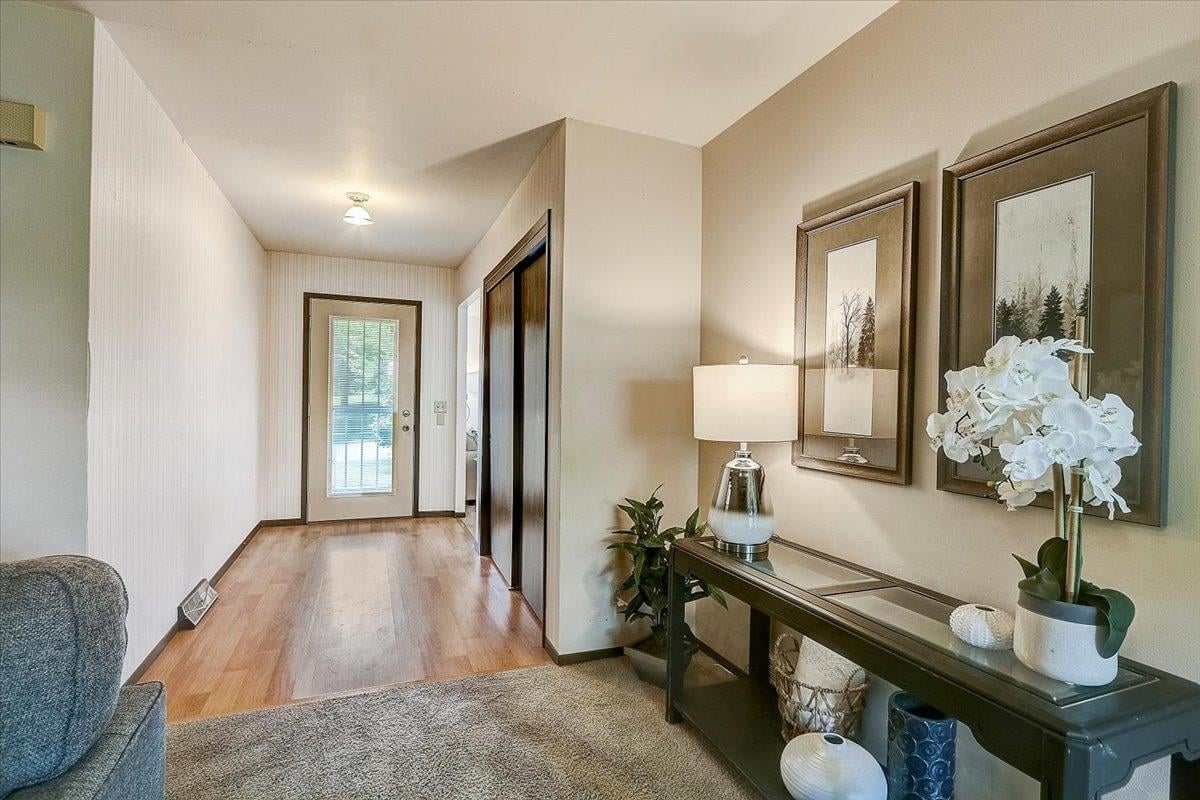
Nobody tours a house and thinks about doorways. It is the least interesting thing in any room. It is also the thing that quietly decides whether a house still works for you in fifteen years.
Guidance on this varies, with commonly cited door widths falling somewhere in the low-to-mid thirties of inches, and hallways generous enough to match. Treat it as a range worth measuring against rather than a fixed rule. The reason it matters is not only wheelchairs. It is a walker after a knee replacement. It is a couch you cannot get around a corner. It is that a bad fall is often what finally ends someone's time in a house they had no intention of leaving.
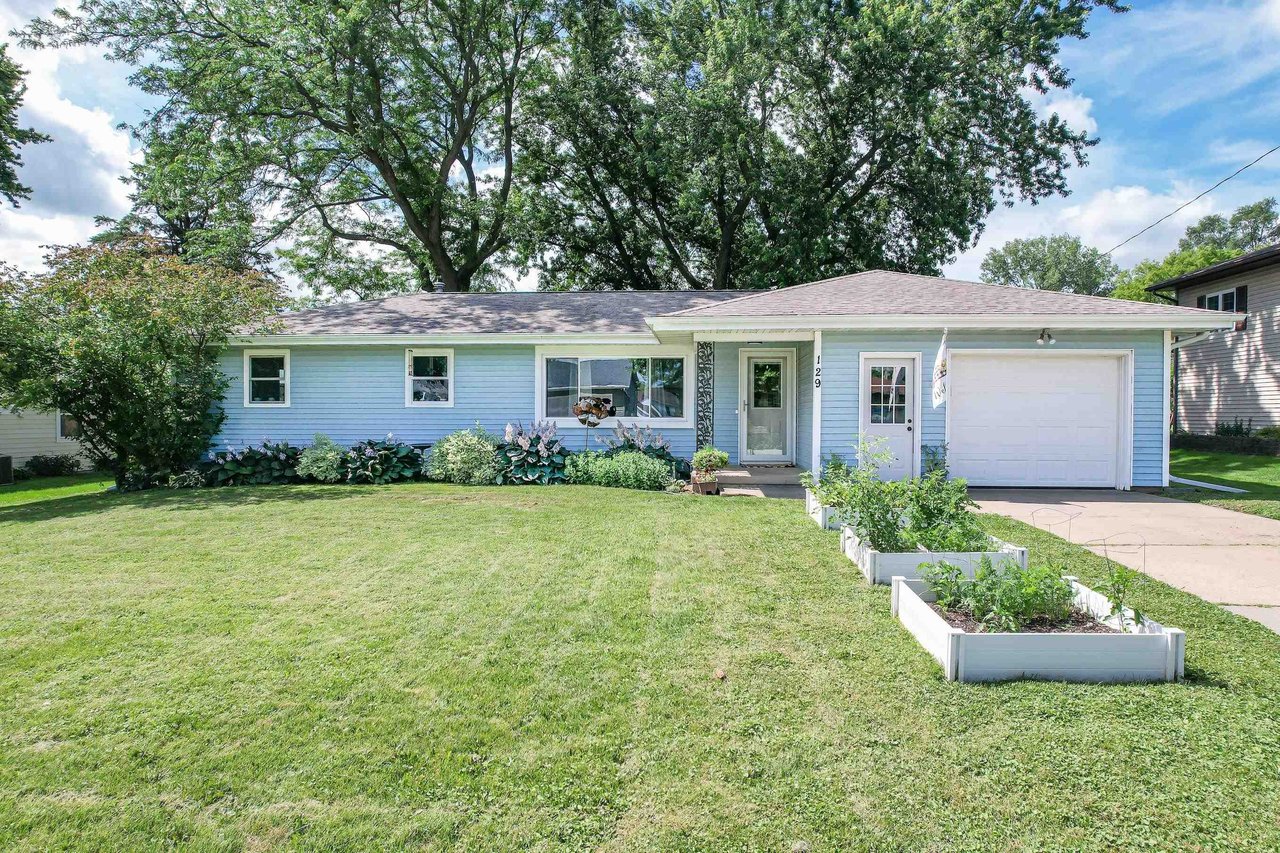
This is where Madison's housing stock becomes specific. The ranch homes that draw downsizers here were largely built in the 1950s and 60s, well before wide openings were a design consideration. The house is on one floor, which is the thing you wanted, but the hallway to the bedrooms can be tighter than what a newer build would give you. It varies house to house, which is exactly why it is worth checking rather than assuming.
That is not a reason to rule out an older ranch. It is a reason to bring a tape measure and know what you are accepting. Widening a doorway later is possible. It is also drywall, trim, and sometimes framing.
Overrated: The someday renovation
This is the one that costs people the most money.
It sounds reasonable in the moment. We love the location, the layout is not quite right, we will open that up later. Then later arrives and the quote is well past what anyone pictured.
The design world is direct about this. Building accessibility features in during construction is straightforward. Retrofitting them into an existing home is more challenging and more costly. A main-floor bathroom where no plumbing currently runs is not a weekend. Widening a hallway means moving what is inside the walls.
Some renovations are worth planning for. A walk-in shower, better lighting, lever handles, and grab bars are all reasonable to do later. Structural changes are a different category. If the fix you are counting on involves moving a wall, plumbing, or the floor plan itself, price it before you write the offer rather than after.
Underrated: What the basement actually gives you
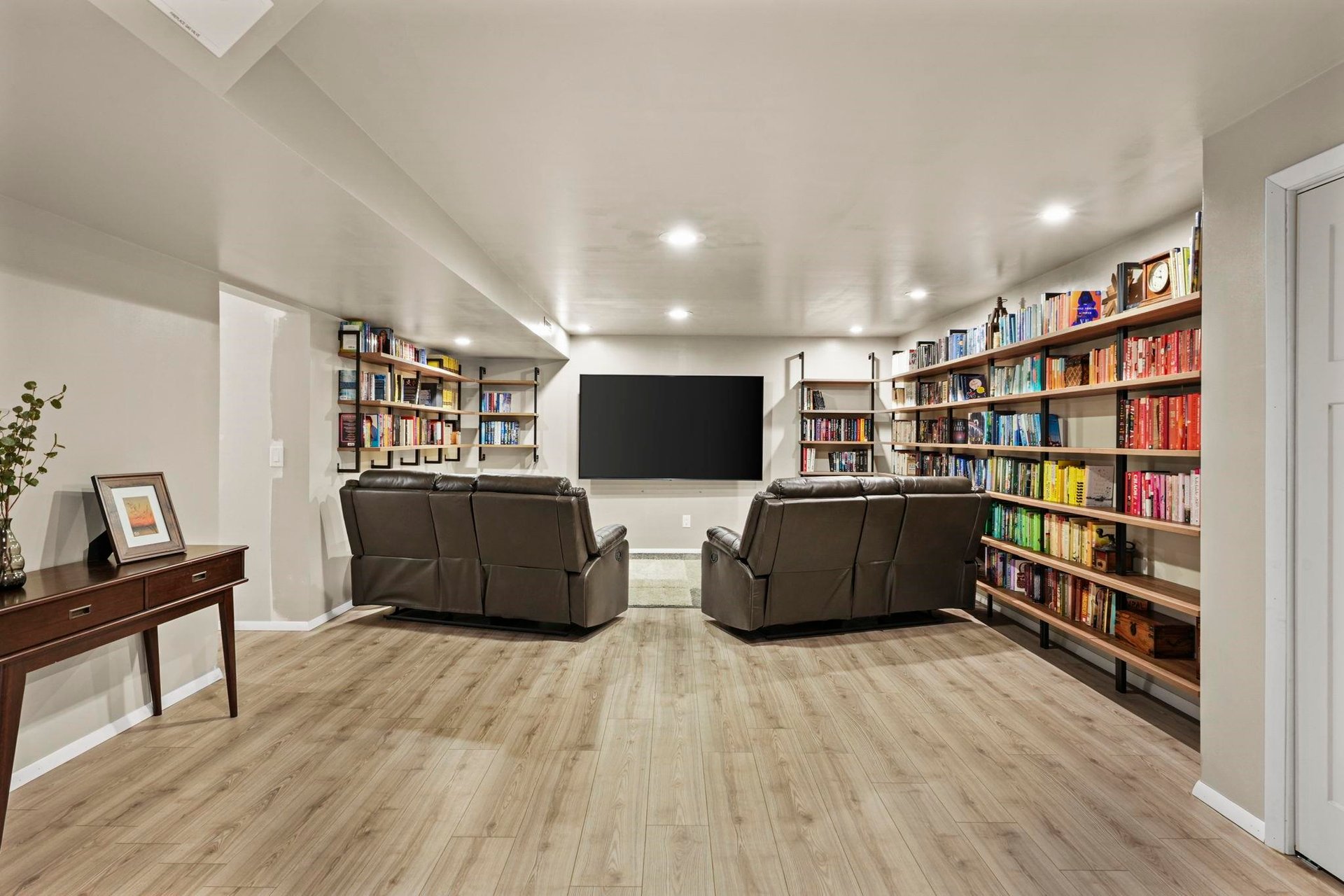
Here is a Wisconsin-specific thing that trips people up.
Almost every house you have lived in here has had a full basement, and there is a structural reason for it. Our frost depth runs around four feet, so footings have to go below that line anyway. Once you are digging that deep, going a few feet further to get a whole additional level is the cheap part. That is why basements are close to standard here and why so much of Madison's storage happens underground.
The assumption people carry into downsizing is that this transfers automatically. It does not always. What you get may be a full basement of your own, or something smaller, or space shared with the association, or no below-grade storage at all. It varies by development.
And nobody discovers which one they bought at the showing. They discover it when the holiday decorations, the tools, the camping gear, and thirty years of files need a destination.
Ask early. Ask specifically. Is there a basement, is it yours alone, how much of it is finished, and what are the association rules about what can go down there.
What to take from this
None of these are rules. They are places where the shopping list and the living experience tend to diverge.
The pattern underneath all six is the same. The features people weigh heavily are the ones that are easy to count. Bedrooms, bathrooms, square feet. The features that determine whether a house works are mostly the ones you have to walk through to notice.
So walk through them. Park where you would park and carry something inside. Stand in the rooms in the afternoon. Measure a doorway. Ask what happens to everything currently in your basement.
The house that wins on paper and the house that works in February are not always the same house. It is worth knowing which one you are looking at.
Working out what actually matters in your next house?
Every buyer weighs this differently, and the right answer depends on how you actually live. If you want to talk through what to prioritize and what to let go, we are happy to walk you through it.
Schedule a Call with Cait
Read the Dane County Town Guide
Browse Current Madison Listings
This article is general information about Madison and Dane County housing, not financial, tax, legal, or medical advice for any specific situation. Condo association rules and storage provisions vary by development and should be verified independently.