What Happens to the House: A Madison Family's Guide to Selling When a Parent Moves to Senior Living
A parent is moving to senior living. Here is what happens to the house, step by step.
Most families come to this the same way. A parent tours a senior living community, or has a fall, or simply decides it is time. The decision about care gets made. And then everyone looks at the house.
Selling a home your parent has lived in for thirty or forty years can feel like one enormous task. It is not. It is a series of smaller decisions, and most of them are easier than they look once you can see the whole path laid out.
So here is the whole path, from the first tour to the closing table. Not every family needs every step, and the order can shift. But this is what the process actually looks like, so you can stop guessing and start moving through it one piece at a time.
First, breathe. There is usually more time than it feels like

The panic tends to sound like this. The community needs a deposit, care costs are starting, and it feels like the house has to sell tomorrow to pay for all of it.
Sometimes the timing really is tight. Often it is not as tight as it feels in the first week. Before the house goes anywhere near the market, it is worth understanding what is actually funding the move and how quickly the sale proceeds are truly needed. That usually means a conversation with whoever handles your parent's finances.
A home rushed onto the market before it is ready usually sells for less. That is the opposite of what a family paying for care wants. A little planning up front tends to protect the number at the end.
Sell before the move, or after?
This is usually the first real fork in the road, and families agonize over it. Both paths work. They just fit different situations.
Selling after your parent has moved out is generally easier. An empty home shows better, photographs better, and lets the repairs and cleanout happen without disrupting your parent's daily life. Nobody has to leave the house every time there is a showing.
Selling while your parent is still in the home can make sense when the sale proceeds are needed to fund the move itself, or when leaving the home empty and carrying two sets of bills would strain the budget.
The short version. If the finances allow for a short overlap, moving first usually leads to a calmer sale and a stronger result. If they do not, the sale works around the timeline you have. Neither choice is the wrong one.
Settle the legal side early

This is the step families skip, and it is the one that stalls sales at the worst possible moment.
Before a home can be sold, whoever signs has to have the legal authority to do it. If your parent is selling their own home and is able to make their own decisions, that is straightforward. If someone is acting on their behalf, that usually means a power of attorney specifically covering real estate, or, if a parent has passed, authority through the estate.
This is a question for an attorney, not a blog. It comes first here for one reason. Too many families find a buyer, reach the contract, and only then discover the paperwork to actually sign was never in place. Sorting it out before the home is listed keeps a good sale from falling apart over a signature.
There is a second piece of paperwork worth understanding early. Wisconsin sellers complete a Real Estate Condition Report, and answering it honestly is harder when nobody has lived in the home recently or when the person who knew the house best is no longer able to fill it out. It is worth knowing how that report works before you reach it.
What to fix, and what to leave alone
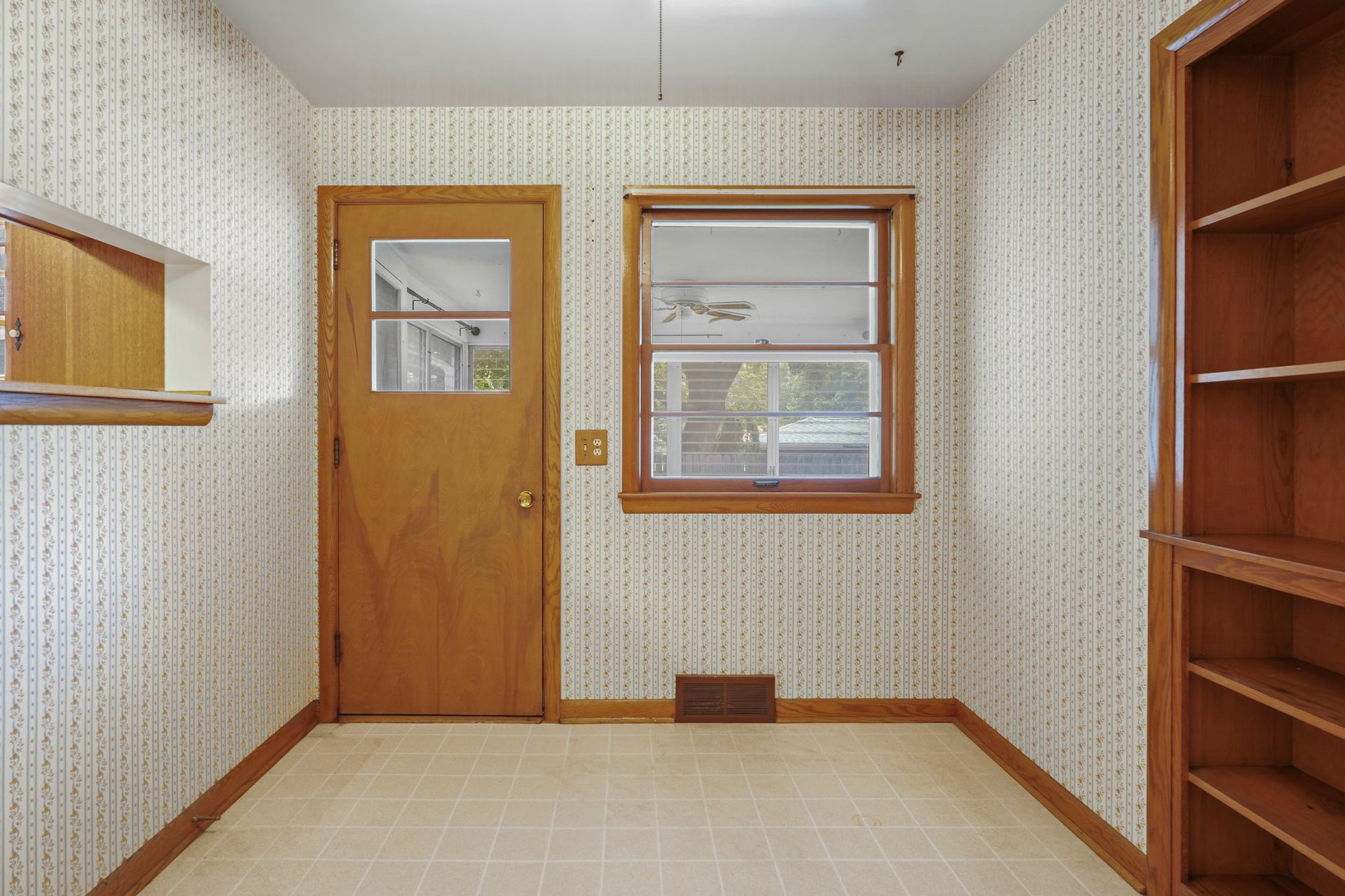
A home lived in for decades usually comes with a list. An original kitchen. A furnace on its second life. Carpet that has seen a lot of living. The instinct is either to panic and renovate everything, or to freeze and do nothing.
Neither is right. Buyers of these homes often expect some age. The goal is not to make the house new. It is to clear the handful of things that would scare a buyer or invite a lowball offer, and to leave the rest alone.
A fresh coat of neutral paint, clean or updated flooring, and a tidy exterior almost always earn their cost back. A full kitchen or bath remodel right before selling usually does not. Which specific repairs are worth the money depends on the home, and it is worth deciding whether to fix it or sell as-is before spending a dollar.
The belongings: decades of a life in one house

This is often the hardest part, and it has almost nothing to do with real estate. It is emotional, it is physical, and it is usually what overwhelms families most.
It does not have to happen alone, and it does not have to happen all at once. Estate sale professionals can turn belongings into proceeds. Senior move specialists handle the sorting and packing with patience. Donation services and cleanout crews take care of what is left. The right mix depends on what is in the home and how much time you have, and it is worth lining up before the emotional weight of the task sets in.
Preparing the home to sell

Once the home is cleared and the agreed-upon repairs are done, the last stretch is presentation. Cleaning, sometimes light staging, and professional photography.
This matters more than it used to. The vast majority of buyers see a home online before they decide whether to visit in person. For an older home especially, strong photography is what earns the showing. A tired listing gets scrolled past. A well-prepared one gets people in the car.
When the family is out of town
Many families managing a parent's home are not in Madison at all. They are in Chicago, or Minneapolis, or across the country, trying to sell from a distance while holding down their own lives.
It can be done well remotely, but it takes the right setup. Video walkthroughs so the family can see everything without flying in. Someone local coordinating repairs and cleanout on the ground. And a clear plan for the in-person details that are genuinely hard to handle when you are selling a parent's Madison home from another state.
Why this kind of sale asks more of an agent

Plenty of homes get listed and left to wait. This is not that kind of sale.
Selling a long-held family home during a senior transition asks for a few specific things. Familiarity with the disclosure questions that come with a home nobody has updated in years. A bench of trusted trades who can prep an older property without a scramble. The coordination to keep the moving pieces from all landing on the family at once. And the patience to move at the family's pace instead of rushing the timeline.
It is worth choosing an agent with real experience in exactly this situation, not just general home sales. The difference shows up in how smoothly the whole thing goes.
The real goal
Here is the part worth holding onto. The house is not the emergency it feels like in the first week. It is a process, and a family can move through it calmly with the right plan and the right people in place.
You are already carrying a lot. A parent's care, your own family, your own life, and now a house full of decades of memories. Laid out in order, the house becomes the manageable part, one step at a time.
Facing this with your own family? Let's talk it through.
No pressure and no cost to start. If a parent is moving to senior living and you are wondering what to do with the house, reach out and we can walk through your options together.
Reach Out to Stephanie
Find Out What the Home Is Worth
Read Our Seller's Guide
This article is general information for Madison and Dane County families and is not legal, tax, or financial advice. Questions about power of attorney, estate authority, capital gains, or how a home sale affects your parent's care funding should be directed to a qualified attorney, CPA, or financial professional.