
Selling a Home You've Owned for 40 Years: What's Changed
The last time you sold a house, the process looked nothing like it does now. Here is what is different.
If you bought your home decades ago and have not moved since, you have never actually sold a house in today's market. The one you bought back then was a different transaction in almost every way.
That is not a problem. It just means a lot of what you remember about selling no longer applies, and a lot of what happens now will be new. None of it is complicated once you know what to expect. Here is what has actually changed, so none of it catches you off guard.
Buyers see your home online long before they knock

The biggest change is where the sale really begins. It is not at the open house anymore. It is on a screen.
Today almost every buyer looks at your home online first, and decides whether to visit in person based on the photos. That means the listing photos are not an afterthought. They are the first showing, and often the one that determines whether a second, in-person showing ever happens.
This is why presentation matters more than it did the last time you sold. A home that photographs well gets the foot traffic. A home with dark or dated photos gets scrolled past, no matter how good it looks in person. The house has not changed. Where buyers first meet it has.
You are expected to disclose more than you used to
Disclosure has become a much bigger, more formal part of selling than it once was. In Wisconsin, sellers complete a Real Estate Condition Report, and buyers read it closely.
For someone who has lived in a home for forty years, this can feel daunting. You know things about the house that a recent owner never would, and you may not remember exactly when that roof went on or that water heater was replaced. The good news is that honesty, not perfect memory, is what the report asks of you. Answering to the best of your knowledge is the standard, and a good agent helps you work through it carefully rather than leaving you to guess.
Inspections dig deeper, and buyers ask for more
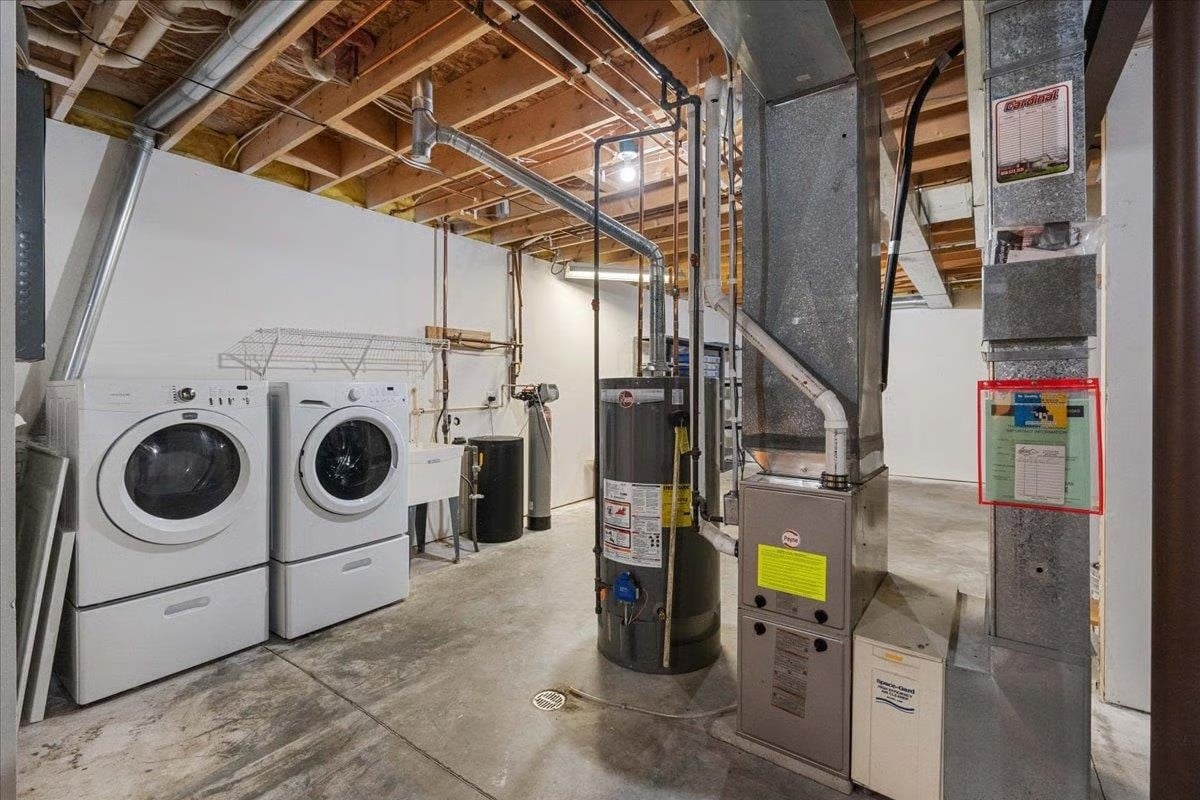
Buyers today almost always have the home professionally inspected, and those inspections are thorough. Things that were never mentioned in a sale decades ago now show up in a written report: the age of the furnace, the electrical panel, the condition of the roof, moisture in the basement.
This does not mean an older home is a hard sell. It means surprises are what cost you, not age itself. Knowing what an inspector is likely to flag before you list, and deciding ahead of time what you will address and what you will simply be upfront about, keeps the inspection from turning into a renegotiation you did not see coming.
Offers are more complicated than a number on a page
The last time you sold, an offer may have been fairly simple. Today an offer is a package, and the price is only one part of it.
Financing type, contingencies, timelines, what the buyer asks you to cover, how much flexibility they have on the closing date, all of it shapes whether an offer is actually as strong as its number suggests. The highest number is not always the best offer. Reading the whole picture is part of what your agent walks you through, so you are comparing offers on what they truly deliver, not just the figure at the top.
What has not changed

For all of that, the heart of selling is the same as it ever was. A well-kept home, priced sensibly, presented honestly, still sells well. Buyers still respond to a place that has been cared for. Good preparation still makes the biggest difference.
The tools are new. The listing is online, the disclosures are formal, the inspection is detailed, the offers are layered. But the thing underneath has not moved. A home that someone has loved and maintained for forty years usually shows it, and that still counts for a great deal.
The real goal
You do not need to relearn how to sell a house. You need someone to translate what has changed since the last time you did it, and to handle the parts that are genuinely new.
Forty years in one home is something to be proud of, not something that puts you at a disadvantage when it is time to sell. With the right guidance, everything that has changed since you bought becomes a series of manageable steps rather than a wall of unfamiliar terms.
Selling a home you've been in for decades? Let's talk it through.
If it has been a long time since you last sold and you want a clear picture of what is different now, reach out. We can walk through what to expect, at whatever pace feels right.
New to this? Start with our full guide to selling a parent's home for senior living.
Reach Out to Stephanie
Find Out What Your Home Is Worth
Read Our Seller's Guide
This article is general information for Madison and Dane County homeowners and is not legal, tax, or financial advice. Questions about disclosure obligations, capital gains on a long-held home, or your specific situation should be directed to a qualified attorney, CPA, or financial professional.