Sometimes. A home warranty is a service contract that helps pay to repair or replace covered systems and appliances that break from normal wear and tear, for an annual fee plus a service fee per visit. It doesn't cover pre-existing problems or poor maintenance, and it isn't insurance. It's most useful on homes with older mechanicals, and it can be a low-cost sweetener for sellers.
By Cait Berry | November 12, 2026
Home warranties come up a lot in the transactions I'm part of. Buyers ask, "Should we ask the seller for one?" Sellers ask, "Should I offer one to make my listing stand out?" The answer depends on the house, the age of its systems, and your budget for surprises.
Here's what they actually do, what they don't, and how I think about them for Madison buyers and sellers.
What a home warranty covers
A home warranty is a one-year service contract. If a covered item breaks down from normal use, you call the warranty company, they send a contractor, and you pay a service fee for the visit. The company pays the rest of the covered repair or replacement, up to the plan's limits.
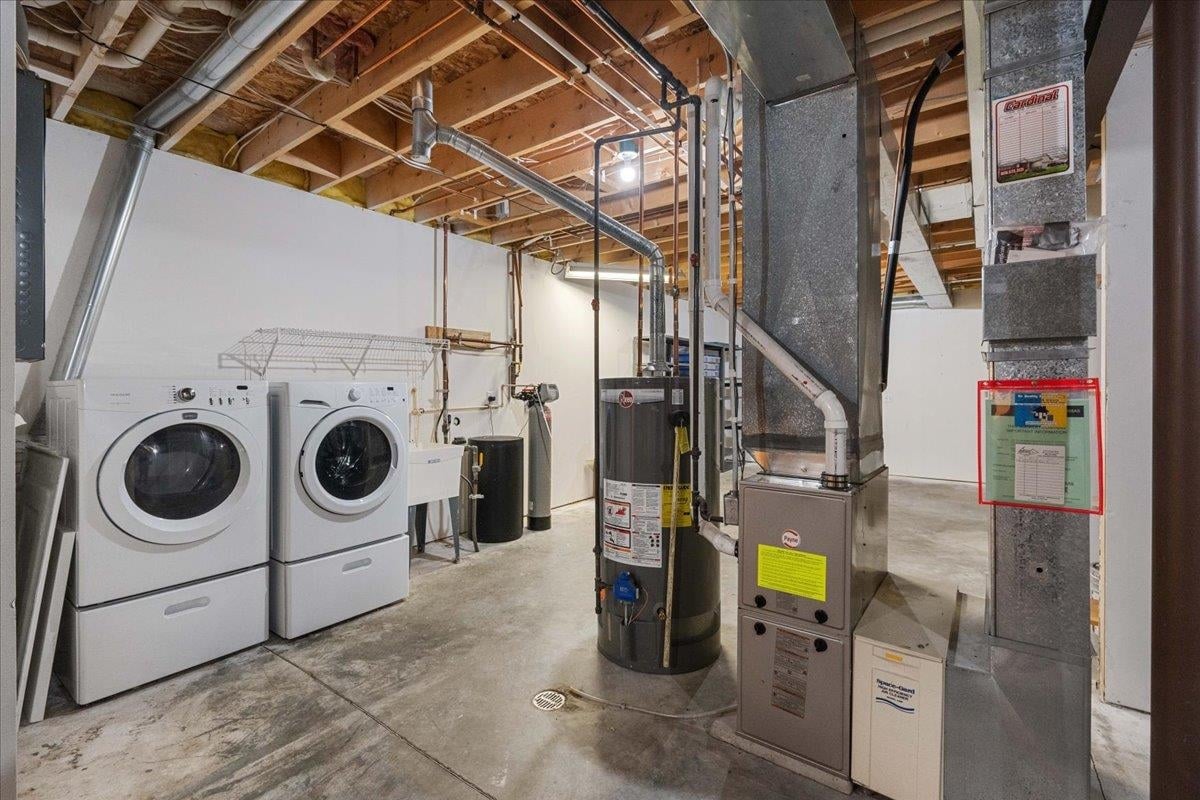
Plans typically cover major systems and appliances, like:
- Heating and cooling
- Plumbing and electrical systems
- Water heater
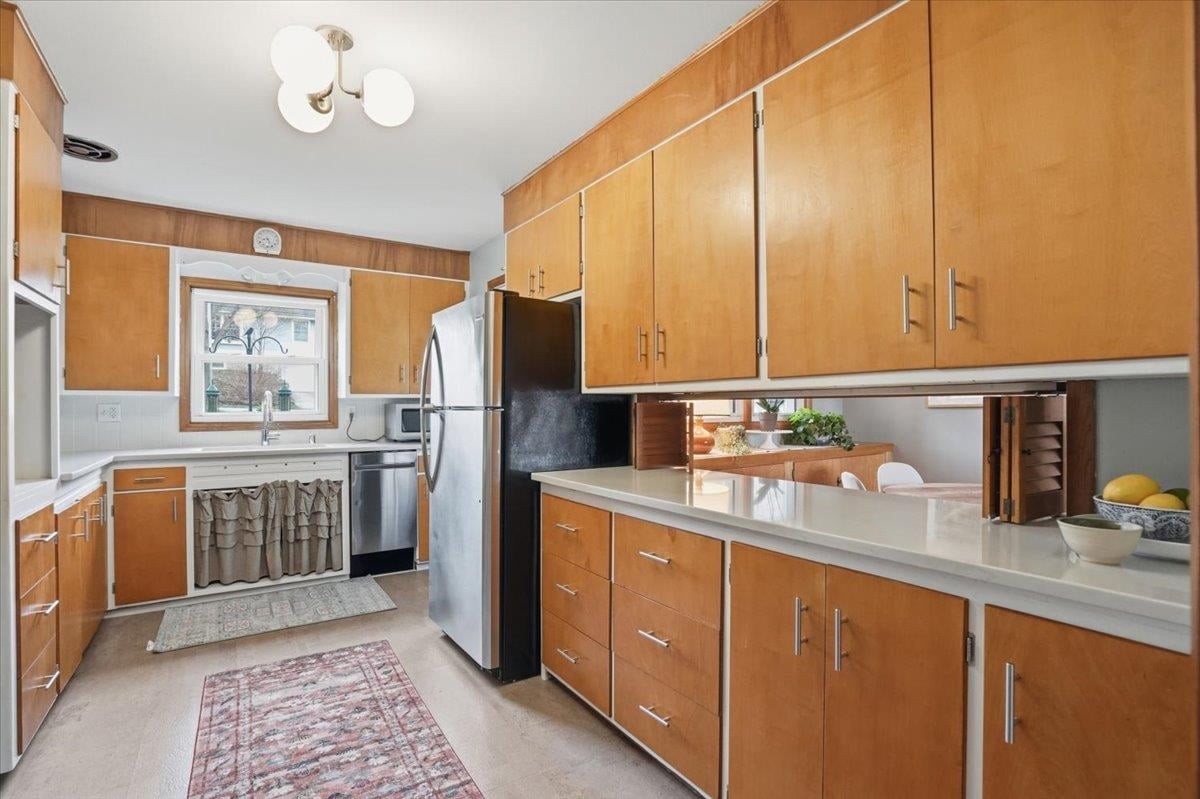
- Kitchen appliances, washer, and dryer
Add-ons can cover things like a second furnace, a well pump, a septic system, or a pool.
How it's different from homeowners insurance
Redfin puts it simply: homeowners insurance protects against things like fire or weather damage, while a home warranty "typically steps in when something breaks down due to wear and tear." You need homeowners insurance either way. A warranty is optional.
What it costs
Costs vary by company and plan, but published ranges give a ballpark:
- Annual premium: ConsumerAffairs puts plans at $350 to $900 a year, and Redfin says costs range "from a few hundred to just over a thousand dollars."
- Service fee per visit: Redfin cites $75 to $150 per visit.
Compare a few plans side by side. The cheapest plan with a high service fee and low coverage limits may not save you anything.
What it doesn't cover
This is where most frustration comes from. Common exclusions include:
- Pre-existing conditions. Problems that existed before coverage started.
- Poor maintenance. If the furnace failed because the filter was never changed, a claim can be denied.
- Improper installation or code issues.
- Routine maintenance like furnace tune-ups and gutter cleaning.
- Coverage caps. Many plans limit how much they'll pay on a single item.
ConsumerAffairs also warns that companies can deny claims "based on contract technicalities, vague language or a lack of maintenance records." Read the contract, not just the brochure.
For buyers: when to ask for one
A warranty makes the most sense when:
- The home's systems are older. A 20-year-old furnace in a Westmorland or east side bungalow is a good candidate.
- Your cash is tight after closing. If a furnace replacement in January would be a crisis, a warranty can soften the blow.
- You're relocating and don't have local contractors yet.
It makes less sense when the home is new construction (the builder's warranty usually covers the first year), or when the systems have been recently replaced and are still under manufacturer warranty.
A warranty doesn't replace an inspection. Inspect first, negotiate known issues in the offer, and treat a warranty as a backup for what breaks later. I explained how inspection negotiations work in repair request or Notice of Defects after a Madison inspection.
For sellers: when to offer one
- It can make an older home feel less risky to buyers comparing it with newer listings.
- Some plans cover the seller during the listing period. Redfin notes that some sellers buy a warranty while the home is listed, "giving coverage during the time it's on the market." That can matter if your water heater gives out a week before closing.
- It's a modest concession. In a market with more listings than a year ago, offering a warranty can be an easy way to stand out without cutting the price.
You can mention it in your listing, or hold it back as a negotiating chip if a buyer asks for repairs.
How to put it in your offer
On a Wisconsin offer, a home warranty is usually written in as an additional provision: who pays, the maximum cost, and sometimes the company or plan. Be specific. "Seller to provide a one-year home warranty at a cost not to exceed $___ at closing" avoids confusion later.
The home warranty companies we recommend
When buyers and sellers ask which company to use, we recommend two: UHP Home Warranty and HSA Home Warranty. Both offer seller coverage while the home is listed, and both carry coverage over to the buyer at closing. Here is how their plans compare. Prices are for single-family homes as published in November 2026; condos, duplexes, and multi-unit homes are priced differently, and rates can change, so ask for a current quote and sample contract.
UHP Home Warranty
UHP (Universal Home Protection) is a local company, based right here in Madison since 1992, serving Wisconsin and northern Illinois.
- Basic, $625. Covers plumbing, electrical, the water heater, kitchen appliances, garage door openers, ceiling and exhaust fans, and smoke and CO detectors. Heating and A/C are included for buyers, and sellers can add them for $75.
- Elite, $725. Everything in Basic, plus a permanently installed sump pump, the ice maker in a covered refrigerator, and a stand-alone freezer.
- Ultimate, $825. UHP’s most complete plan. Adds coverage for unknown pre-existing conditions, a water softener, a jetted tub, and a bonus appliance of the buyer’s choice.
- Service fee: $100 per claim.
- Seller coverage: The seller is covered during the listing period and only pays at closing. If the home doesn’t sell, the seller owes nothing, even if a repair was made. Coverage then transfers to the buyer.
- Add-ons: Optional coverage runs $20 to $225 per item, including a well pump ($100), an extra heating or A/C system ($125 each), sewer lateral line cleaning ($75), and pool or spa equipment ($225).
- Already own your home? UHP also sells its Basic and Elite plans directly to homeowners at the same prices, with coverage starting 30 days after payment.
HSA Home Warranty
HSA (Home Security of America) is a national company with plans written for Wisconsin real estate transactions.
- Plan cost: ConsumerAffairs puts HSA’s standard plans at $495 to $635 a year as of 2026. Condos and townhomes cost a little less, and a two-year plan is available.
- Base coverage: Interior plumbing and electrical, the water heater, central heating and air, kitchen appliances, and rekeying. Buyers also get roof leak repair, up to $750.
- 7 Star Upgrade, $149. A buyer upgrade that helps with costs that often trip up claims, like code violations, permits, and modifications needed to complete a repair, up to set limits.
- Service fee: About $100 to $125 per visit, depending on the plan.
- Seller coverage: Up to six months while the home is listed, ending at closing or when the listing ends. Seller heating and A/C coverage is a $60 option. The buyer’s coverage runs 12 months from closing.
- Add-ons: Washer and dryer ($70), water softener ($40), stand-alone freezer ($40), well pump and septic ($100), hot tub ($125), pool ($150), and an electronics plan ($216).
- Limits: $25,000 total per contract, with up to $5,000 per system.
Which one fits depends on the house. On an older home where a surprise could be expensive, look closely at UHP’s Ultimate plan, which covers unknown pre-existing conditions, and HSA’s 7 Star Upgrade. If you’re not sure, we’re happy to walk through both with you.
Questions to ask before you choose a plan
Not all plans are created equal. Before you buy one, or accept one as a seller concession, ask:
- What's the service fee per visit, and is it charged per item or per trip?
- What are the coverage limits for the big items, like the furnace, air conditioning, and water heater?
- Is there a waiting period before coverage starts? Seller-paid plans bought at closing often start right away, but ask.
- Can I choose my own contractor, or does the company assign one?
- How are claims handled when something can't be repaired? Is replacement covered, and with what quality of equipment?
- What maintenance records will they ask for? Keep receipts for furnace tune-ups and filter changes.
- Is the plan renewable, and at what price after the first year?
A Madison winter example
Picture a January closing on a 1960s ranch in Monona. The furnace is original but passes inspection. A seller-paid warranty won't stop it from failing, but if it does fail in February, the warranty can turn a large unexpected bill into a service fee, as long as the plan covers it and the claim isn't denied for maintenance reasons.
Frequently Asked Questions
What does a home warranty cover? Typically, repairs or replacement of major systems and appliances that fail from normal wear and tear, like heating, cooling, plumbing, electrical, the water heater, and kitchen appliances, depending on the plan.
How much does a home warranty cost in Wisconsin? Published ranges run roughly $350 to $900 a year, and sometimes more, plus a service fee of about $75 to $150 per visit. Compare plans, coverage limits, and fees.
Who pays for a home warranty, the buyer or the seller? Either one. Sellers often offer one as a concession, buyers sometimes request one in the offer, and the cost can be split. Put the terms in the offer.
Does a home warranty cover pre-existing conditions? Usually not. Pre-existing problems, poor maintenance, and improper installation are common exclusions, which is why a home inspection still matters.
Is a home warranty the same as homeowners insurance? No. Homeowners insurance covers events like fire, theft, or storm damage. A home warranty covers breakdowns from normal wear and tear. You need insurance regardless.
Which home warranty company do you recommend? We recommend UHP Home Warranty and HSA Home Warranty. UHP is a Madison-based company with plans from $625 to $825 and a $100 service fee per claim. HSA’s standard plans run about $495 to $635 a year, with a $100 to $125 service fee. Both cover sellers while the home is listed and transfer coverage to the buyer at closing.
The bottom line
A home warranty won't replace an inspection or insurance, but on a Madison home with older systems, it can take the sting out of a surprise repair in year one. Read the contract, compare plans, and put the terms in writing.
If you're buying in Dane County and want help sorting out what to negotiate, my Buyer's Guide walks through offers and inspections step by step.
Your Madison Insiders
Buying or selling an older Madison home? Let's talk about what's worth negotiating.
The Insiders Realty Buyer's Guide walks through offers, inspections, and closing in Dane County.
About Cait Berry
Cait Berry is the founder and team lead of Insiders Realty with REAL Broker, LLC, serving buyers and sellers across Dane County. A sixth-generation Madisonian and full-time agent since 2012, she helps relocating families, move-up buyers and sellers, and first-time buyers make confident moves in the Madison market. Cait is also a business coach for real estate agents with Tom Ferry International.
This post is general information about home warranties. We recommend UHP and HSA, but prices, coverage, and limits change, so get a current quote and read the contract carefully before you buy.