Before you offer, confirm which government's shoreland rules apply, what's already permitted on the property, whether the pier and shoreline structures are compliant, and the flood zone and insurance cost. Ask what you can build or change near the water, because setbacks limit additions and new structures. Then inspect the waterfront itself, not just the house.
By Cait Berry | November 12, 2026
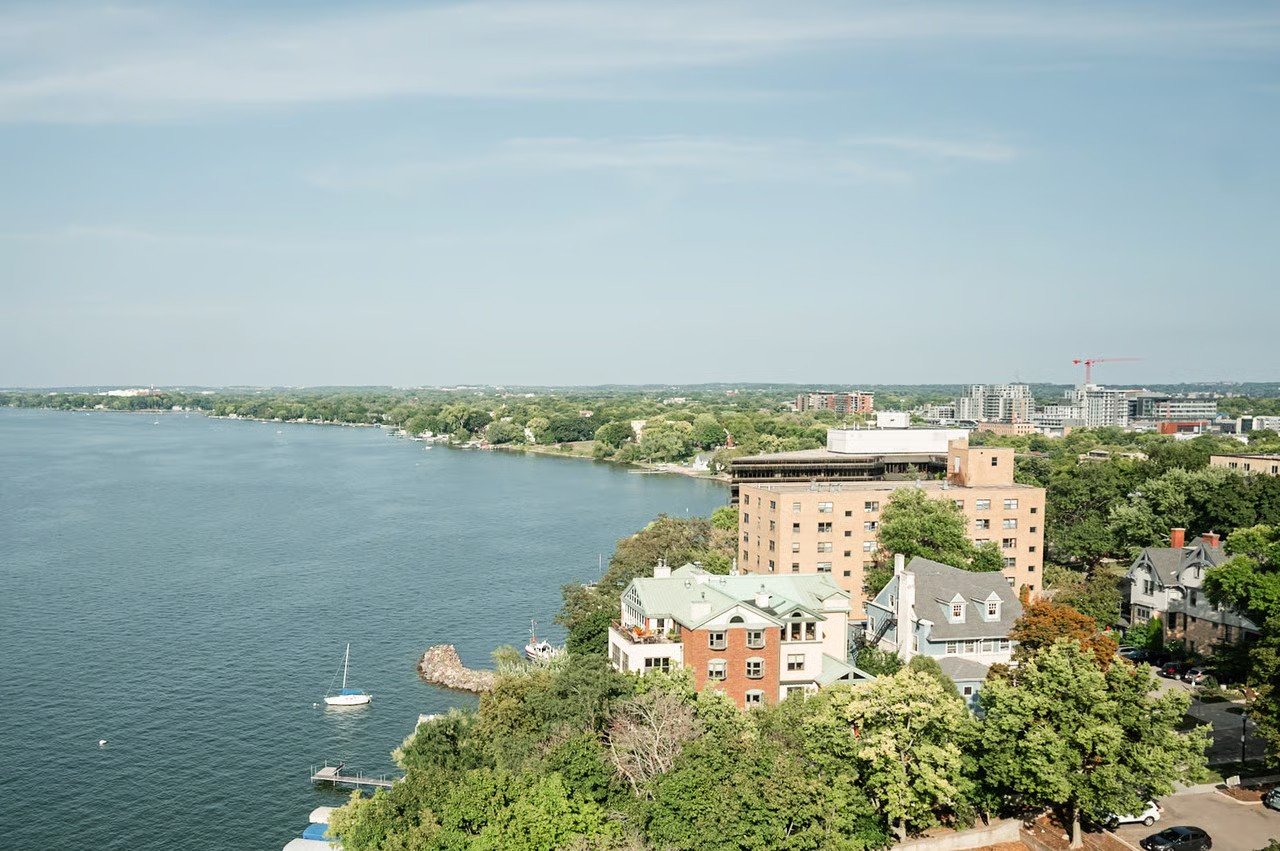
Living on one of Madison's lakes is a dream for a lot of my clients. Morning coffee looking at Lake Mendota, a boat at the end of the pier on Monona, sunsets over Waubesa or Kegonsa. I understand the pull.
But a lake home is two purchases in one: the house and the waterfront. The waterfront comes with its own rules, costs, and risks that don't show up on a typical inspection. Here's what I walk my buyers through before they write an offer.
Frontage, access, and the costs nobody mentions
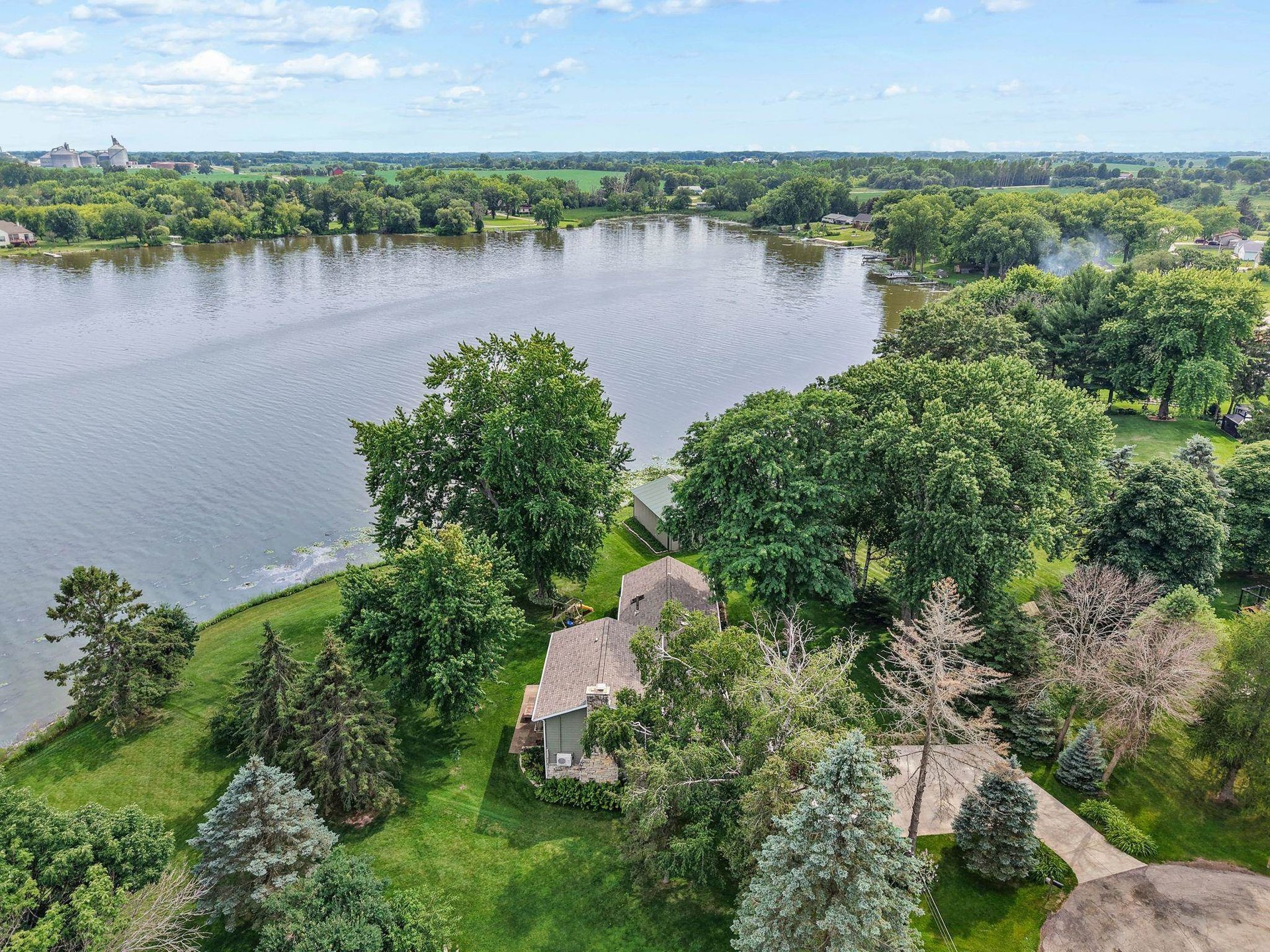
Not every "lake home" listing means the same thing. Read closely:
- True frontage means your lot touches the water, and the shoreline and pier are yours to maintain.
- Lake access or deeded access usually means shared rights to use a path, park, or pier owned by an association or someone else. Get the access document and any association rules before you offer.
- Lake view means exactly that, a view, with no water rights.
Then budget for the costs that come with the water:
- Pier installation and removal every spring and fall.
- Shoreline maintenance, like rip-rap repair after high water.
- Higher insurance, and possibly flood coverage.
- Lake association dues or lake district taxes in some areas.
- Winter on the water is beautiful, but snow and ice add upkeep, especially on steep lots down to the shore.
None of these is a reason not to buy. They're reasons to price your offer with the full picture in mind.
Know whose rules apply
Shoreland zoning in Wisconsin is set by state standards, but who enforces it depends on where the home is.
- In unincorporated areas, like many town properties on Waubesa and Kegonsa, Dane County administers shoreland zoning.
- Inside cities and villages, like Madison, Monona, Middleton, McFarland, Maple Bluff, and Shorewood Hills, the municipality has its own rules.
Why it matters: the rules decide what you can do later. Wisconsin's statewide shoreland standards generally require new structures to be set back 75 feet from the ordinary high-water mark, and local rules add their own limits on things like impervious surfaces and cutting vegetation near the shore. An older home closer than that may be a nonconforming structure. It can usually stay and be maintained, but expanding it can be restricted.
If you're planning an addition, a new deck, a boathouse, or a bigger patio near the water, check before you buy, not after. Call the zoning office for that municipality or the county, or ask me to help you get the right contact.
The pier, the shoreline, and permits
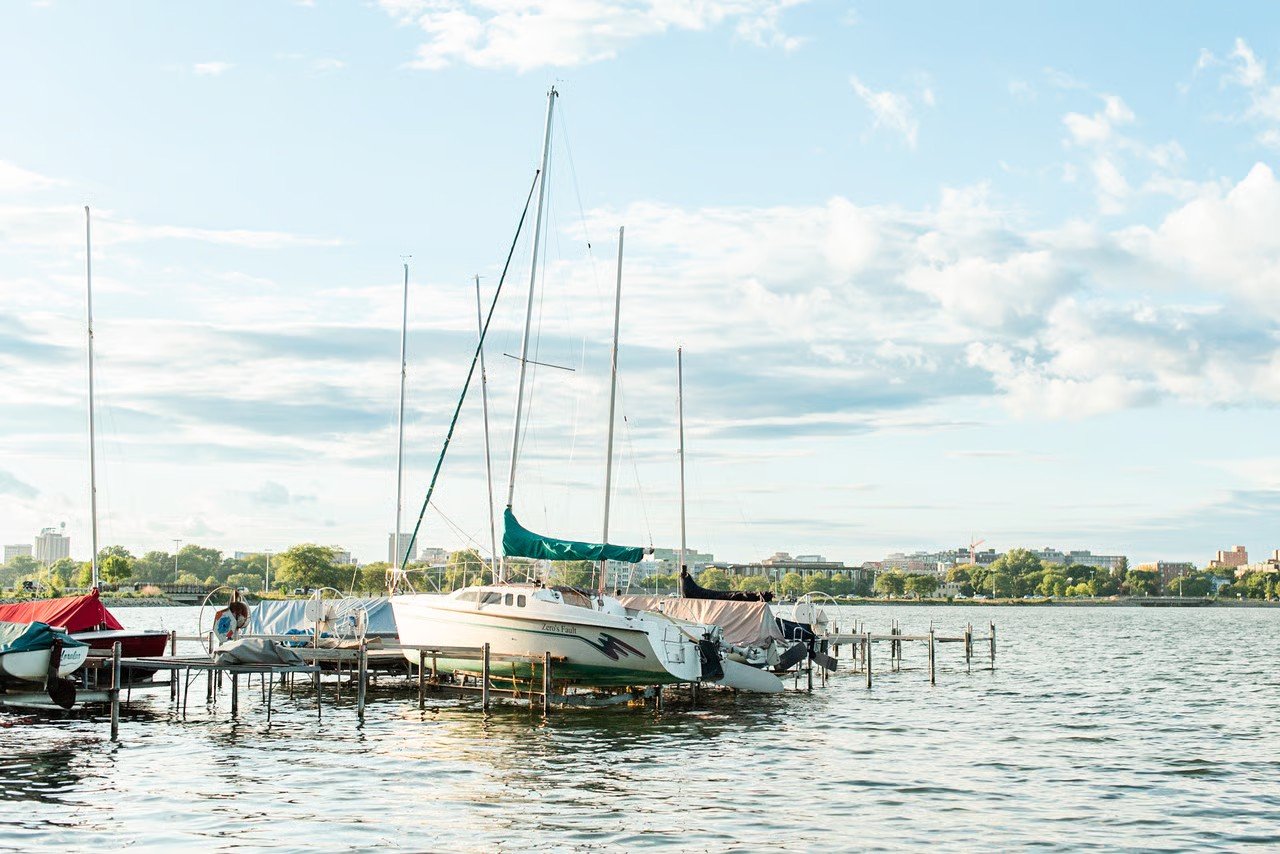
Piers, boat lifts, rip-rap, and seawalls are regulated by the Wisconsin DNR, and many have to meet size and placement standards to be exempt from a permit.
Before you offer, ask the seller:
- Is the pier permitted or exempt? How long is it, how wide, and how many boat slips?
- Who installs and removes it each season, and what does that cost?
- Is there a seawall or rip-rap, and when was it last repaired?
- Is the pier shared with a neighbor or an association?
If something isn't compliant, the next owner may be the one asked to fix it.
Flood risk and insurance
Water levels on the Yahara lakes rise and fall, and some lake homes sit in FEMA flood zones. If you're financing and the home is in a high-risk flood zone, your lender will likely require flood insurance.
- Check the flood zone for the specific parcel before you write the offer.
- Get an insurance quote early, both flood and homeowners. Waterfront premiums can be meaningfully higher.
- Ask the seller about water in the basement or yard during high-water years, and read the Real Estate Condition Report closely.
I covered flood insurance in more detail in flood insurance for Madison lake homes.
Inspect the waterfront, not just the house
A standard home inspection focuses on the house. On a lake property, add:
- Shoreline condition: erosion, seawall or rip-rap damage, and drainage toward the water.
- Basement moisture and sump pumps: lake homes often have higher water tables.
- Well and septic, if the home isn't on municipal sewer and water. That's common around Waubesa and Kegonsa. My post on well and septic for rural Dane County buyers explains what to test.
- A survey, if lot lines or the shoreline boundary are unclear.
Questions to ask before you offer
- What permits exist for the house, additions, pier, and shoreline work?
- Is the home or any structure nonconforming?
- What's the flood zone, and what will insurance cost?
- Is the home on sewer and water, or well and septic?
- What are the lake access rules if it's an association or easement, not true frontage?
- What does seasonal upkeep cost, like pier service, shoreline maintenance, and snow?
How to write the offer
On a WB-11, you can protect yourself with the inspection contingency, a testing contingency for the well and septic if needed, and additional provisions requiring the seller to provide permit history and pier details. If the zoning question is a deal-breaker, talk with your agent about a contingency tied to confirming what you can build.
Lake homes don't come up often in every price range, and the good ones move quickly. Doing this homework before you see the right one lets you write a strong offer without skipping the protections you need.
Frequently Asked Questions
What is the shoreline setback in Wisconsin? Wisconsin's statewide shoreland standards generally require new structures to be set back 75 feet from the ordinary high-water mark. Counties, cities, and villages administer their own rules, so check with the one where the home is located.
Do I need flood insurance for a lake home in Madison? If the home is in a high-risk FEMA flood zone and you have a federally backed mortgage, your lender will usually require it. Even outside those zones, many lake owners choose to carry it.
Can I expand an older lake home that's close to the water? Maybe. Homes built before current setbacks may be nonconforming. They can usually be maintained, but expansions can be limited. Check with the local zoning office before you buy.
Who regulates piers in Wisconsin? The Wisconsin DNR regulates piers and many shoreline structures. Many piers are exempt from permits if they meet size and placement standards. Ask the seller for details and confirm with the DNR if anything's unclear.
What inspections should I get on a lake property? A standard home inspection plus a look at the shoreline, seawall or rip-rap, basement moisture, and well and septic if the home isn't on municipal services. A survey helps if boundaries are unclear.
The bottom line
Buying on a Dane County lake is worth it for a lot of people, as long as you buy the waterfront with your eyes open. Confirm the zoning, the pier, the flood risk, and the systems before you write the offer.
If you're searching for a lake home on Mendota, Monona, Waubesa, or Kegonsa, I'd love to help you find the right one and check it carefully.
Your Madison Insiders
Dreaming of lake life? Let's find the right waterfront, the right way.
Search Dane County homes, including lakefront listings, with Insiders Realty.
About Cait Berry
Cait Berry is the founder and team lead of Insiders Realty with REAL Broker, LLC, serving buyers and sellers across Dane County. A sixth-generation Madisonian and full-time agent since 2012, she helps relocating families, move-up buyers and sellers, and first-time buyers make confident moves in the Madison market. Cait is also a business coach for real estate agents with Tom Ferry International.
This post is general information about buying waterfront property in Wisconsin, not legal or zoning advice. Rules vary by municipality, so confirm with the local zoning office, the Wisconsin DNR, and your insurance agent.