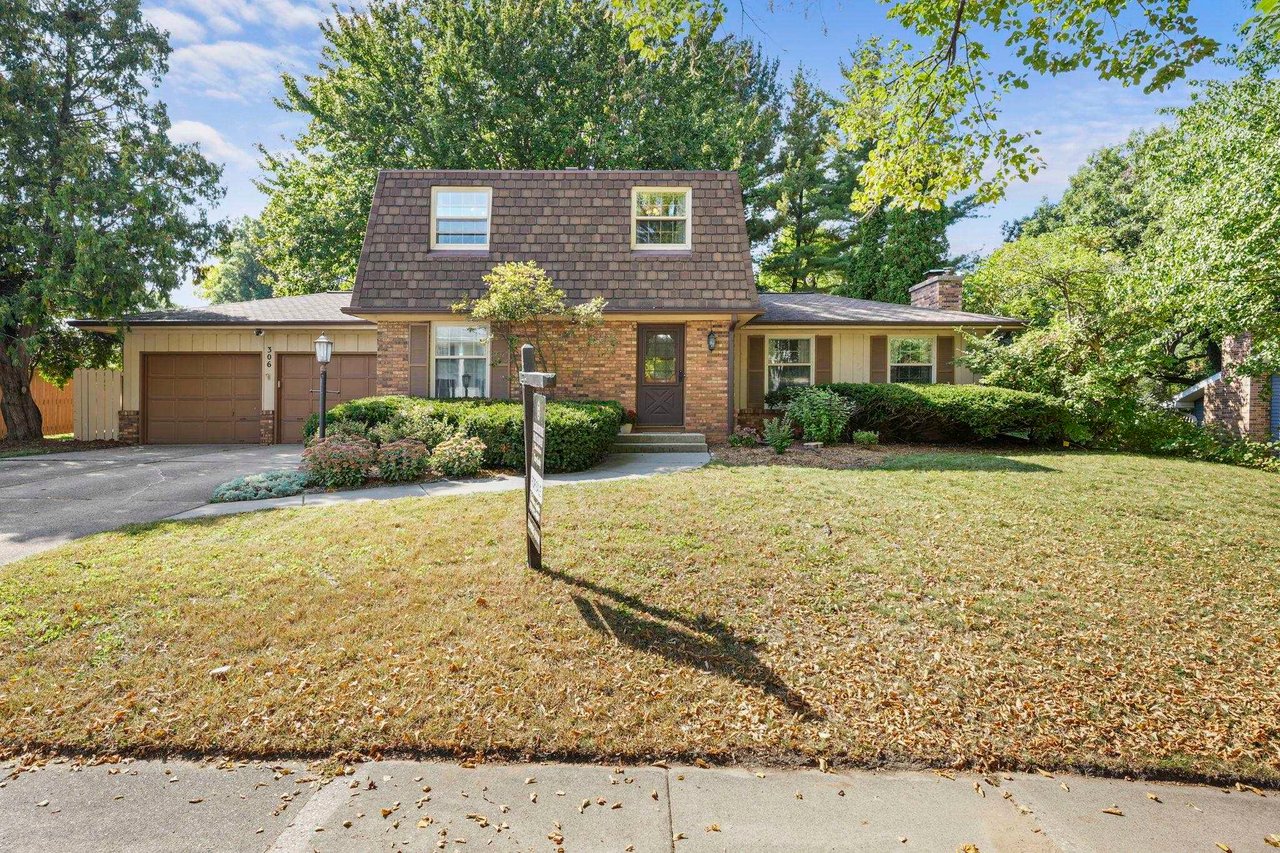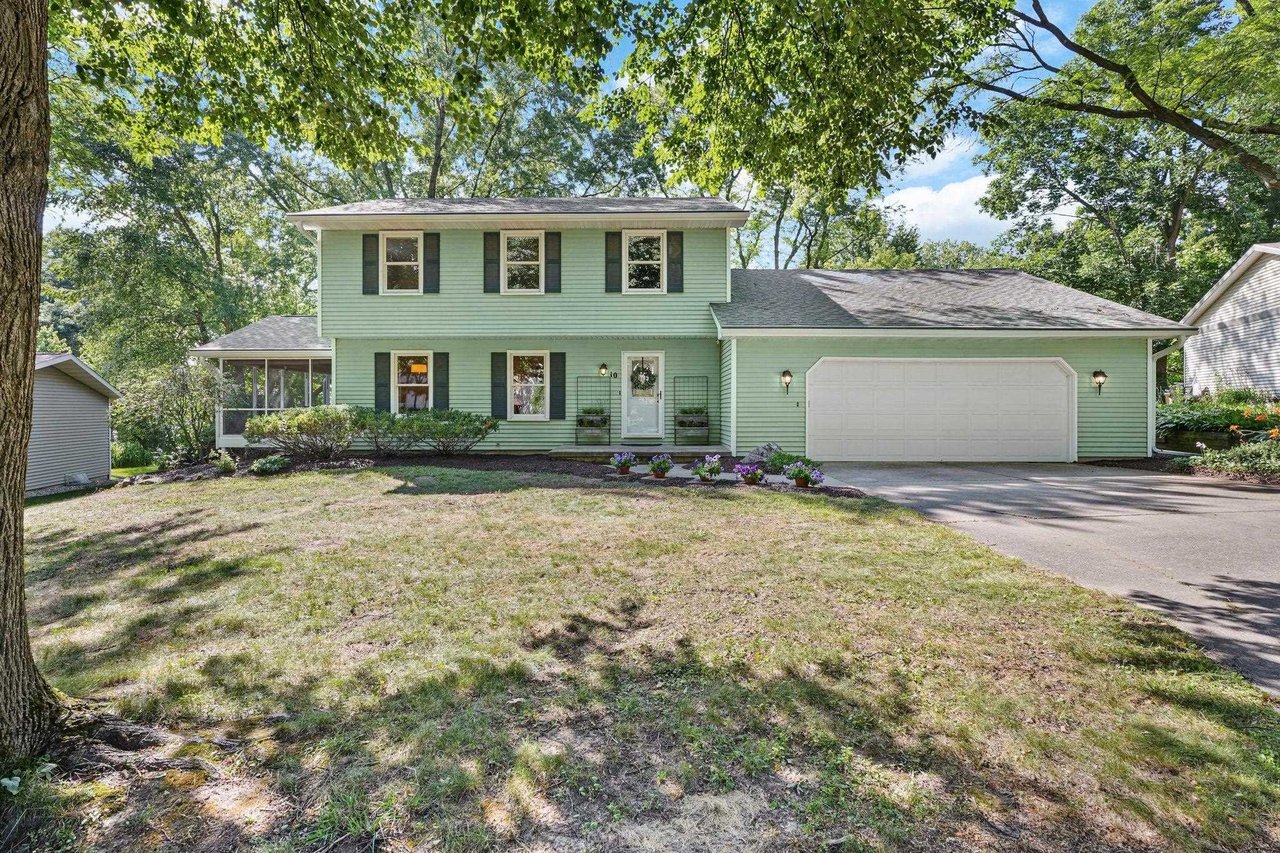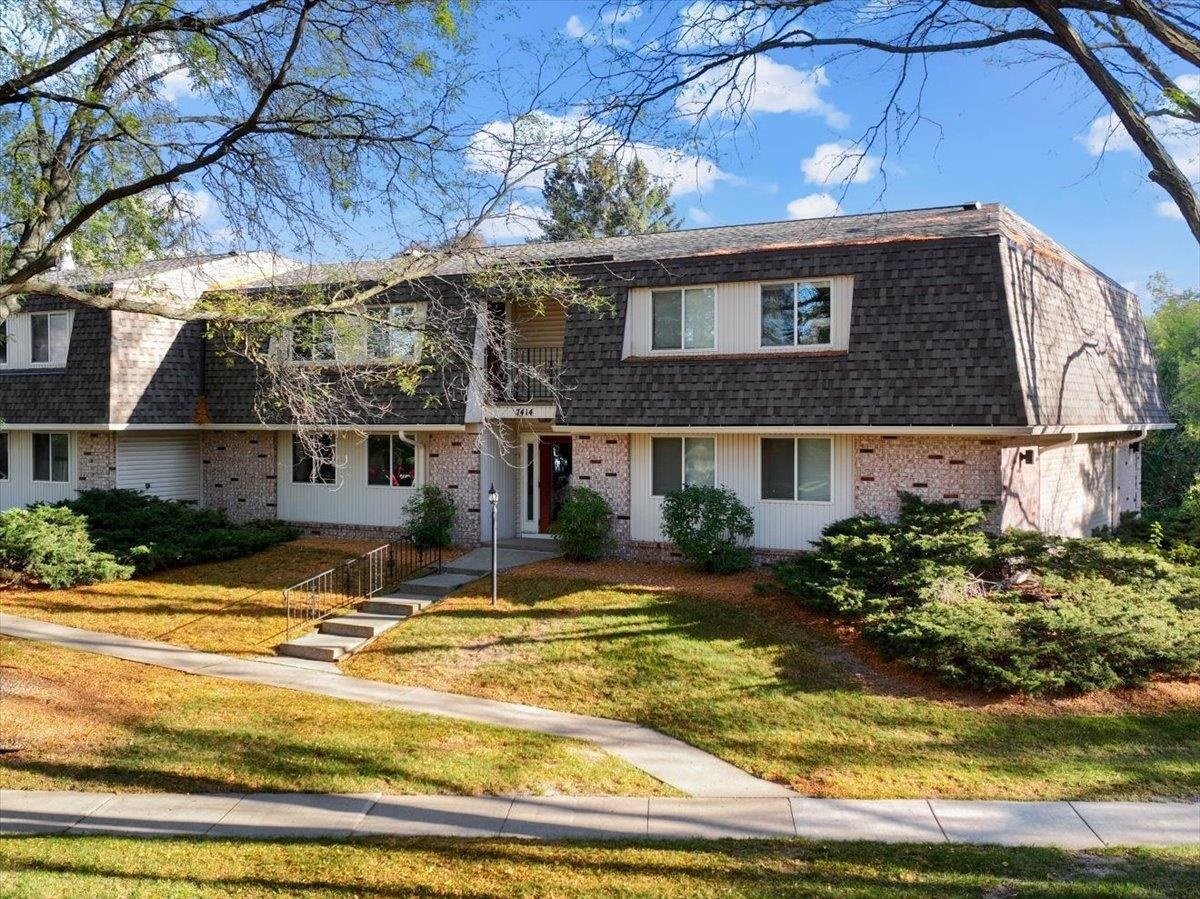
How long do you have to review condo documents when buying a Madison condo?
In Wisconsin, you have 5 business days after you receive the condo association's disclosure materials to cancel your purchase in writing, for any reason, and get your full deposit back. The clock starts when you have all the required documents, not when your offer is accepted.
By Cait Berry | November 6, 2026
Buying a condo in Madison means buying two things at once: your unit, and a share of an association you don't control yet. The house part gets an inspection. The association part gets a stack of documents that most buyers skim on their phone at 10 p.m.
Wisconsin gives you a real tool here. It's one of the strongest buyer protections in our state's real estate process, and it's the one I see relocation buyers understand the least. Here's how it works, and what I read first with every condo buyer in Madison, Middleton, Fitchburg, and across Dane County.
How Wisconsin's 5-day condo review works
Condo purchases in Wisconsin are written on their own state-approved form, the WB-14 Residential Condominium Offer to Purchase, not the WB-11 used for single-family homes. The WB-14 spells out when the 5 business days begin. Heads up: a revised WB-14 came out this fall as part of the statewide form update. It's optional now and required starting January 1, 2027, so double-check which version your offer is on if you're writing over the holidays.
Under Wisconsin's condominium law (Wis. Stat. § 703.33), the seller has to give you a package of disclosure materials no later than 15 days before closing. The WB-14 condo offer moves that up: the seller agrees to deliver current and accurate copies of the condominium disclosure materials within 10 days of acceptance.
Once you have everything, you have 5 business days to cancel in writing. You don't have to give a reason. You aren't liable for backing out, and you're entitled to the return of your deposits. If you let the window pass, or you go to closing, the right ends.
A few details that matter:
- It starts with receipt of all the documents. If the package arrives with pieces missing, you have 5 business days to ask for the missing items in writing. The seller then has 5 business days to deliver them, and your 5-day review window runs from the earlier of when you get them or when the seller's deadline passes.
- You can receive them before you write. See the best practice below.
- It must be in writing. A phone call to your agent isn't a cancellation. Put it in writing and deliver it before the deadline.
- It applies to resales, too. This isn't only for brand-new buildings. When a seller (not the developer) is selling, the association has to provide the seller what they need within 10 days of a written request.
This post is general information about Wisconsin's condo disclosure process, not legal advice. Review your specific contract and documents with your agent, and with an attorney if you have legal questions.
Best practice: condo documents up front
The best practice for a listing agent on a condo is to gather every condominium document from the association or management company before the home hits the market, review them, and load them to the MLS. It's what my team does on our condo listings, so there are no surprises for us or the seller.
That lets you read the full package before you write an offer. If you're comfortable with what you see, you check the box on the condo addendum confirming the disclosure materials were received, and the listing firm doesn't have to send them again. You still have your 5-day review period.
If you're buying a condo listed by another agent, ask whether the documents are on the MLS before you write. If they aren't, plan on reviewing them during your 5-day window after acceptance.
If you're still deciding between a condo and a house, I compared the two in condos vs. single-family homes in Madison.
What's in the package, and what I read first
The disclosure materials come with a cover sheet titled "Disclosure Materials" and an index. Required items include:
- The declaration
- The bylaws
- The rules and regulations
- The articles of incorporation
- Management contracts
- The projected annual operating budget
- The plain-language executive summary
- The unit floor plan and a map showing where the common elements are
- The facilities available to unit owners
- A general description of any contemplated expansion, including each stage and the maximum number of units that can be added
That executive summary is your cheat sheet. It covers who to contact, who maintains what, rental and pet rules, parking, any right of first refusal, and the fees the association charges on a sale. Start there.
When I sit down with a buyer, this is my reading order.
1. The budget and the reserves
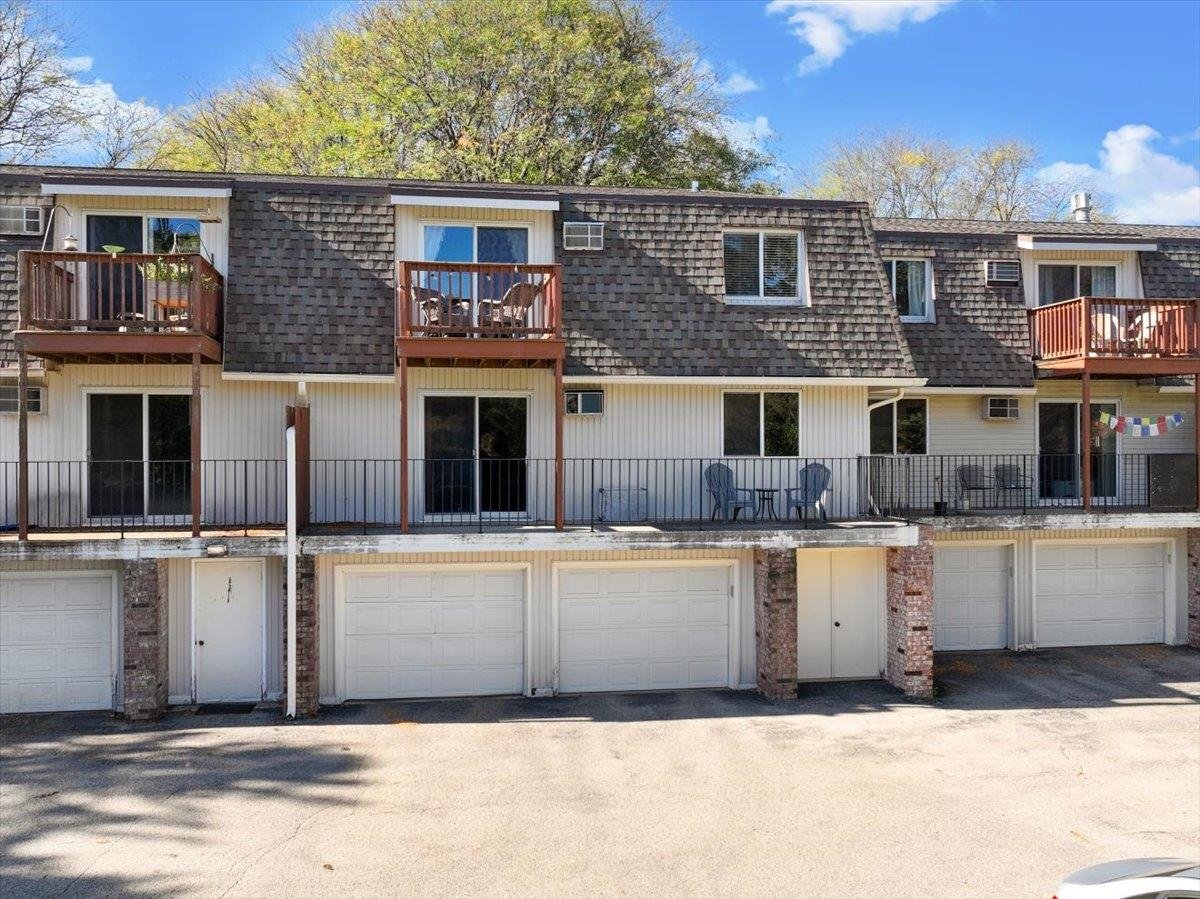
The executive summary has to state whether the association keeps reserves for repairing and replacing common elements (roofs, elevators, parking structures, windows, siding) and whether a statutory reserve account is maintained, along with the reserve balance.
That number tells you a lot. A building with aging big-ticket items and a thin reserve balance is a building where a special assessment is more likely. That's a one-time bill to every owner, and depending on the project it can run into five figures.
What to look for:
- Is the reserve balance realistic for the age and size of the building?
- Did monthly fees jump recently, or have they been held flat for years? Flat fees in an older building aren't always good news.
- Is anything big coming up, such as a roof, a parking ramp, an elevator, or a balcony project?
2. The rules you'll live with
Read the rules like you already live there. Rentals, pets, renovations, parking, grills, and storage are where buyers get surprised.
- Planning to rent the unit out someday? Check the leasing restrictions now.
- Want to redo the kitchen or replace the floors? Look for approval requirements and sound-control rules.
- Have two cars? Confirm how many stalls come with the unit and whether they're deeded, assigned, or first come, first served.
3. Fees on the way in and the way out
The executive summary also discloses transfer fees, disclosure material fees, and payoff statement fees. They're usually not large, but you should know who pays what, and your closing numbers should reflect it.
4. Ask for more with the additional condo information contingency
The standard disclosure package leaves out some of the most useful documents. The WB-14 has an optional box for that: the contingency for additional condo information. If you check it, your offer is contingent on the seller delivering to you, at the seller's expense, within 10 days after acceptance, everything on this list that exists as of the offer date:
- Condo association financial statements for the last 2 years
- Minutes of the last 3 unit owners' meetings
- Minutes of the condo board meetings during the 12 months before acceptance
- Information about contemplated or pending special assessments
- The association's certificate of insurance
- A statement from the association showing the balance of the reserve accounts it controls
- Any common element inspection reports the association holds, such as roof, pool, elevator, or parking garage inspections
- Information about any pending litigation involving the association
- The declaration, bylaws, budget, and/or most recent financial statement of any master association or additional association the unit is part of
There's also a blank line to add anything else you want. I recommend checking this box on almost every condo offer. The minutes are where you hear about the leaks, the disputes, and the roof everyone knows is coming.
What the Dane County condo market looks like right now
I pulled the Dane County condo numbers straight from the South Central Wisconsin MLS (SCWMLS) for October 2026 and compared them with October 2025:
- 85 condos sold, down from 114 a year ago, about 25% fewer
- Median sale price of $320,000, up from $297,750, about 7.5% higher
- Condos sold for about 98.5% of list price, roughly the same as last October (98.8%)
- Median days on market of 20, about the same as last year's 21
- 372 active condo listings in Dane County right now, about 3.3 months of supply based on the last 12 months of sales
Translation: prices are holding, but fewer condos are selling and buyers have more to choose from. That's exactly when you should use your 5-day review fully, not rush past it to win.
Condo lending got stricter in 2026
For years, financing a condo in an established building was fairly simple. Under Fannie Mae and Freddie Mac's "limited review," most lenders looked at you and the unit, plus a short questionnaire about the building. They didn't have to dig into the association's budget, reserves, or insurance.
That changed this year. Since August 3, 2026, Fannie Mae and Freddie Mac no longer allow limited review, so most condo loans now get a full review of the association itself. Lenders are looking hard at:
- The budget, and how much of it goes into reserves
- The reserve study, if the association has one
- Special assessments, planned or underway
- Deferred maintenance and critical repairs
- The association's insurance coverage
- Any pending litigation
- Owners who are behind on their dues
The bar goes up again soon. Starting January 4, 2027, the association's budget has to put at least 15% toward reserves, up from 10%, unless it's funding to a current reserve study.
We're already seeing this in Dane County. Lenders are pushing back on associations that don't have strong financials, and a buyer who qualifies on paper can still hit a wall because of the building. When a condo project doesn't meet Fannie Mae and Freddie Mac standards, your options narrow to a portfolio or non-warrantable loan, which usually means a bigger down payment or a higher rate, or paying cash.
Here's how I handle it with buyers:
- Bring your lender in early. Share the condo documents as soon as you have them, ideally before you write.
- Ask the hard questions up front. Does the budget meet the reserve requirement? Are there special assessments or lawsuits?
- Use your contract tools. Your 5-day review and the additional condo information box get you the same financials your lender is going to ask for.
If you're selling a condo, this matters for you too. A building that doesn't meet the new standards can shrink your buyer pool to cash buyers and portfolio loans, so it's worth knowing where your association stands before you list.
A quick timeline
A typical Dane County condo purchase lines up like this:
- Offer accepted on the WB-14.
- Disclosure materials delivered within 10 days of acceptance (or received before your offer). Your agent confirms the package is complete against the index.
- Review window runs for 5 business days. Read the executive summary, budget, reserves, and rules, plus the minutes and financials if you checked the additional condo information box.
- Decide in writing. Cancel in writing before the deadline, or let the window pass and move forward.
- Inspection, appraisal, and financing continue on their own deadlines. If you want a refresher on those steps, here's what happens after you go under contract in Madison.
Out-of-state buyers, this works fine from a distance. Everything can be delivered electronically, and I walk through the package on a video call. I wrote more about that in buying a Fitchburg condo from out of state.
Frequently Asked Questions
How many days do I have to review condo documents in Wisconsin?
You have 5 business days after you receive all the required disclosure materials. During that time you can cancel the purchase in writing for any reason and get your deposit back.
Can I review the condo documents before I make an offer?
Yes, when the listing agent has loaded them to the MLS, which is best practice. You can then check the box on the condo addendum to the Real Estate Condition Report confirming you received the condominium disclosure materials. You still get your 5-day review.
What if the condo documents are incomplete?
You have 5 business days to request the missing documents in writing. The seller then has 5 business days to deliver them, and your 5-day window to cancel runs from the earlier of receiving them or the seller's deadline.
Does the 5-day rule apply to resale condos or only new construction?
It applies to resales too. When an owner other than the developer sells, the association must give the seller the needed information within 10 days of a written request so the seller can provide the disclosure package.
What should I look for in a condo association's budget?
Look at the reserve balance, recent changes in monthly fees, and any big projects on the horizon, like a roof, elevator, or parking structure. Then check the additional condo information box on the WB-14 to get financial statements, meeting minutes, the reserve balance, and any pending special assessments.
Why is it harder to get a mortgage on a condo in 2026?
Since August 3, 2026, Fannie Mae and Freddie Mac require a full review of the condo association for most loans, including its budget, reserves, insurance, special assessments, and litigation. Starting January 4, 2027, budgets also need at least 15% going to reserves, up from 10%. Associations with weak financials can make a unit harder to finance.
The bottom line
When you buy a condo in Madison, your 5-day document review is the moment to look hard at the association you're joining. Read the executive summary, check the reserves, ask for the minutes, and decide in writing before the deadline.
Your Madison Insiders
Buying a condo in Madison? Know what you're joining before you commit.
The Insiders Realty Buyer's Guide walks you through offers, condo documents, contingencies, and closing in Dane County. Prefer to talk it through? Call or text Cait at 608-576-1125.
About Cait Berry
Cait Berry is the founder and team lead of Insiders Realty with REAL Broker, LLC, serving buyers and sellers across Dane County. A sixth-generation Madisonian and full-time agent since 2012, she helps relocating families, move-up buyers and sellers, and first-time buyers make confident moves in the Madison market. Cait also coaches agents as a team leader with Tom Ferry International.