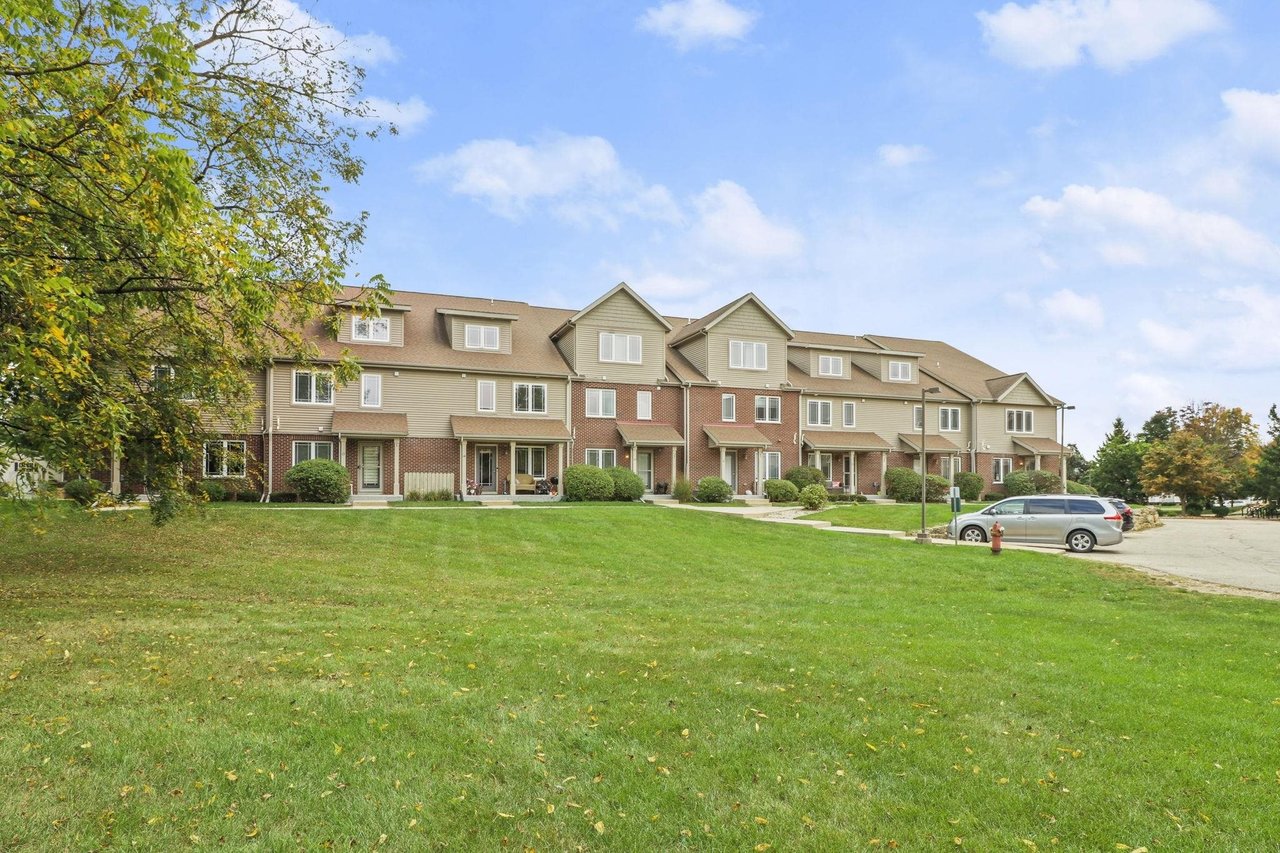
Through its Housing Forward initiative, the City of Madison has already changed its zoning to allow two units of housing on residentially zoned lots across the city and to make it easier to split deep backyard lots. Additional proposals introduced in fall 2025 would allow two accessory dwelling units in a detached building, cottage courts of up to eight small homes, and up to four homes in a building in transit-oriented areas. Check the current status before relying on them.
By Cait Berry | November 13, 2026
"Can I build a second unit in my backyard?" "Could the lot next door become a duplex?" These are questions I'm hearing more often from Madison buyers and homeowners, and for good reason. The city has been changing its zoning rules to make room for more homes, and some of those changes affect what you can do with property you already own or are about to buy.
Here's a plain-language rundown, based on the City of Madison's own Housing Forward pages. Zoning details matter, so always confirm the specifics for a particular lot with the city before you buy or build.
What's already changed
According to the City of Madison, the Common Council unanimously approved a package of changes in 2025 designed to make it easier to build smaller, more affordable homes. The city's Housing Forward page describes that work as allowing:
- Two units of housing on all residentially zoned lots across the city. Before this, duplexes were allowed in only about a third of Madison's residential areas, according to Wisconsin Public Radio's coverage of the proposal.
- Splitting deep lots, so an owner with an unusually deep backyard may be able to divide the lot and build a second home.
The city lists its zoning code changes to support more housing types and "missing middle" housing as completed.
What's been proposed
The city has also introduced more changes. Based on the city's pages, these were introduced at Common Council meetings in fall 2025 and referred to committees. Check their current status before counting on them.
Accessory dwelling units (ADUs)
Today, Madison's code limits a lot to one accessory dwelling unit. A fall 2025 proposal would allow either one attached ADU or two detached ADUs in a single detached building, and would stop counting a detached ADU's footprint toward the limit on detached accessory buildings.
Cottage courts
A proposal introduced in October 2025 would allow cottage courts, defined as up to eight detached single-family homes on one lot around a shared courtyard. Under the proposal, each home's footprint would be no larger than 1,000 square feet, lots would range from 10,000 square feet to one acre, and cottage courts would be allowed in most residential districts.
Transit-oriented development (TOD) overlay
The same October 2025 package would allow buildings with up to four homes in residential areas within the TOD overlay, the areas near frequent transit like the Bus Rapid Transit routes. I wrote about how BRT has already affected values in the BRT bump.
Smaller lots
A fall 2025 proposal would reduce some minimum lot sizes, for example from 6,000 to 5,000 square feet in one common single-family district.
What this means if you're buying
- More flexibility on some lots. A home with a deep yard, an alley, or a detached garage may have more potential than it used to.
- Check before you pay for potential. If a seller is marketing "ADU potential" or "duplex potential," verify it with the city's zoning staff for that exact parcel. Lot size, setbacks, historic district rules, and utilities all matter.
- Your neighborhood may change slowly. In some areas, the lot next door could eventually have two homes instead of one. In practice, change tends to come one lot at a time.
- Financing and appraisals. Lenders and appraisers value what exists, not what could be built. Plan your budget around the home as it is.
What this means if you're selling
- Know your lot's options. If your property could support a second unit, that may matter to some buyers. Confirm it with the city before advertising it.
- Don't overpromise in your listing. Say what's allowed, not what you assume is allowed.
- Historic districts and private covenants can still limit what's possible, even where city zoning allows more.
How to check a specific property
- Look up the zoning district on the City of Madison's zoning map.
- Call or email the city's zoning staff with the address and what you want to do.
- Check for historic district rules or private covenants, especially in older neighborhoods.
- Talk to a builder or architect early if a second unit is part of your plan.
What hasn't changed
Even with these updates, a lot of the rules that shape what you can build are still in place:
- Building permits and inspections still apply to any new unit or conversion.
- Setbacks, lot coverage, and height limits still decide where a building can go.
- Local historic districts have their own review. Madison has several, and if a home is in one, exterior changes go through a separate approval process.
- Private covenants and HOA rules can be stricter than city zoning, especially in newer subdivisions.
- Utilities and access matter. A second home on a lot needs water, sewer, and a practical way to reach it.
- Lending rules for buying a two-unit property can differ from a single-family loan, so talk with a lender early if you plan to buy with a second unit in mind.
In other words, the zoning changes open the door, but each lot still has to fit through it.
Frequently Asked Questions
Can I build a duplex on my lot in Madison? The City of Madison reports that its 2025 changes allow two units of housing on residentially zoned lots across the city. Lot size, setbacks, historic districts, and other rules still apply, so confirm with the city's zoning staff for your parcel.
Can I build an ADU in Madison? Madison allows accessory dwelling units, and current code limits a lot to one. A 2025 proposal would allow two detached ADUs in a single building. Check the current rules and status with the city.
What is a cottage court in Madison? Under a 2025 proposal, a cottage court is a group of up to eight detached single-family homes on one lot around a shared courtyard, with each home's footprint no larger than 1,000 square feet.
Do Madison's zoning changes affect home values? They can add flexibility for some lots, but lenders and appraisers generally value what exists today. Treat "development potential" as a bonus to verify, not a guaranteed value.
How do I check the zoning for a Madison property? Look up the parcel on the City of Madison's zoning map, then confirm with the city's zoning staff, especially if you plan to add a unit.
The bottom line
Madison is making room for more kinds of homes, and some of those changes can open up options on the lot you own or are about to buy. Verify the rules for the specific property, and value the home for what it is today.
If you're weighing a home with ADU or second-unit potential, or wondering what your own lot could support, let's talk it through.
Your Madison Insiders
Wondering what your lot, or your next one, could support? Let's look at it together.
Cait helps Madison buyers and owners sort out what's possible before they buy, sell, or build.
About Cait Berry
Cait Berry is the founder and team lead of Insiders Realty with REAL Broker, LLC, serving buyers and sellers across Dane County. A sixth-generation Madisonian and full-time agent since 2012, she helps relocating families, move-up buyers and sellers, and first-time buyers make confident moves in the Madison market. Cait is also a business coach for real estate agents with Tom Ferry International.
This post is general information based on the City of Madison's Housing Forward materials, not zoning or legal advice. Zoning rules change, so confirm the current rules for any specific property with the City of Madison.