Radon in Madison, WI Homes: What Buyers and Owners Should Know
You cannot see it, smell it, or taste it. So how would you know if it is in your home?
Radon is the home issue most people never think about until an inspector brings it up. In Madison, it deserves a little more attention than that.
It is a naturally occurring gas that rises up from the soil and seeps into homes through small cracks and gaps in the foundation. It collects in the lower levels, usually the basement, and you would never know it was there. There is no smell and no warning.
None of this is meant to scare you. Radon is one of the most testable and most fixable things a home can have. You just have to know it is there first.
Why radon gets more attention here
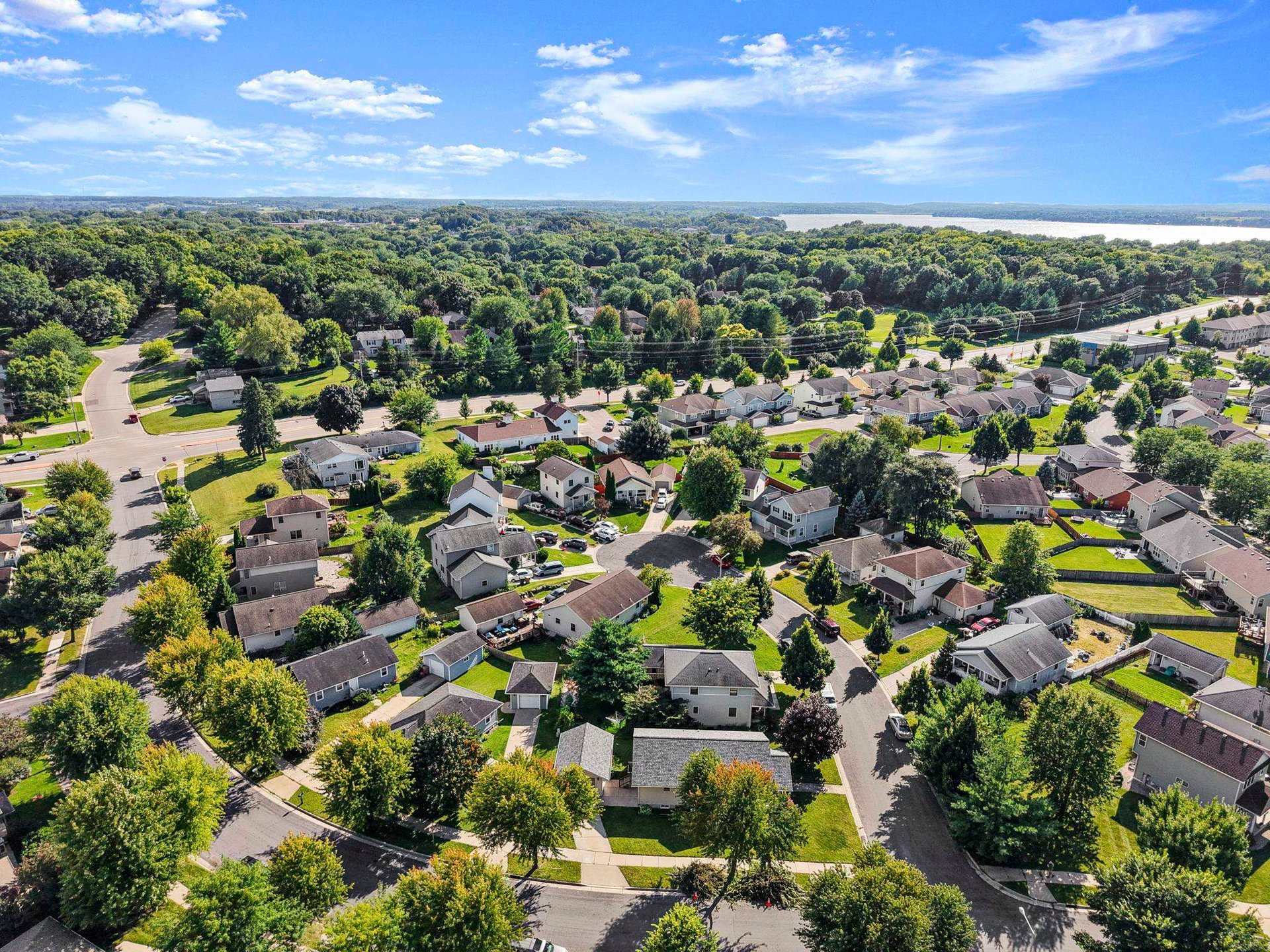
Madison and the rest of Dane County sit in the highest radon category the EPA assigns, and the local numbers back that up. Public Health Madison and Dane County has reported that roughly half of the homes tested here in recent years came back with elevated levels. Statewide, the figure is closer to one in ten. This is one of those issues where local context really matters.
The health side is why anyone cares. Long-term exposure to high radon is the second leading cause of lung cancer overall, and the leading cause among people who do not smoke. State health officials estimate it contributes to around a thousand Wisconsin deaths a year, and the risk runs higher for smokers.
That part sounds heavy. The encouraging part is what comes next.
The good news is that it is testable and fixable
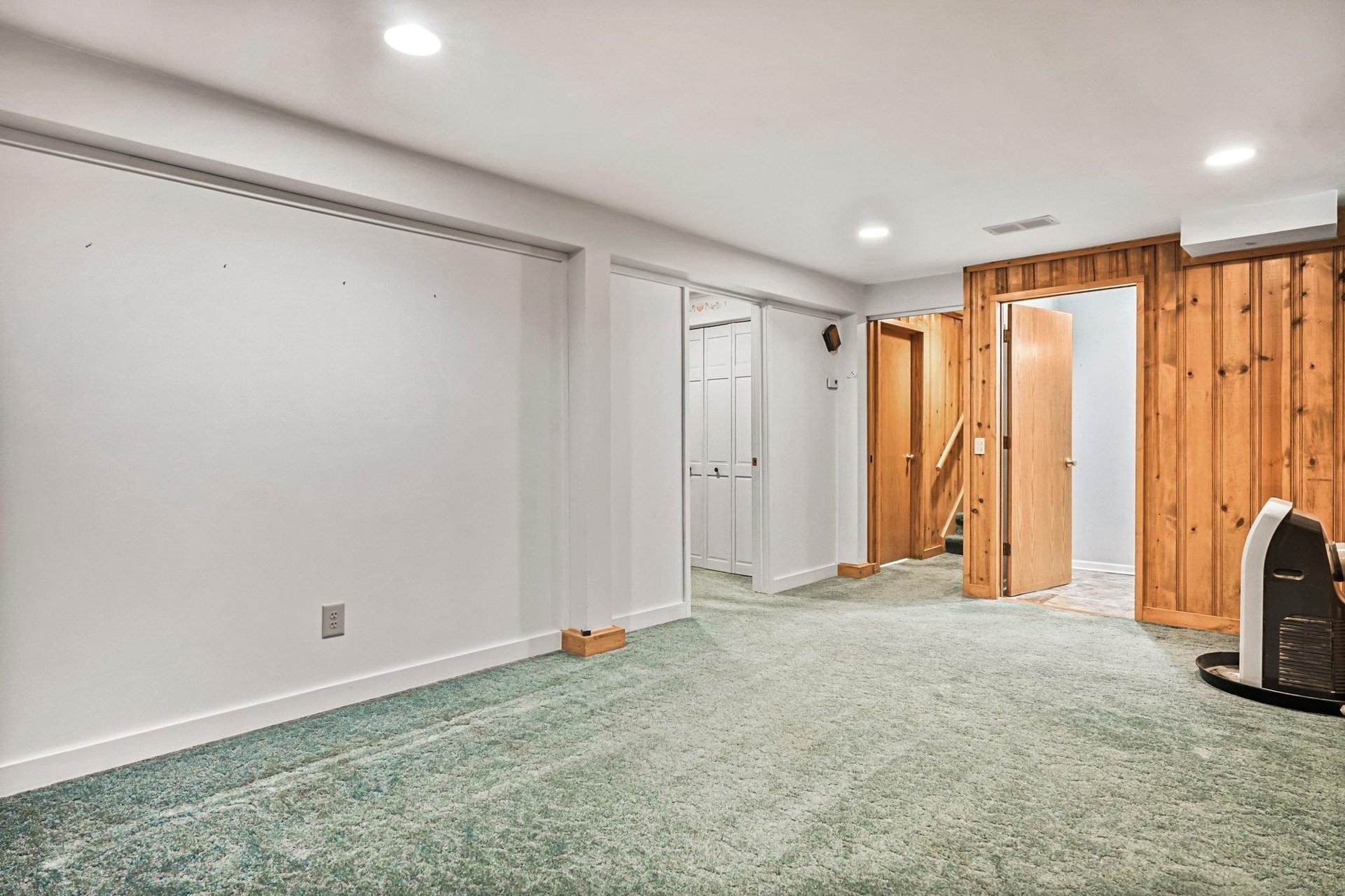
This is what I tell clients. Radon is not like a cracked foundation or a failing roof. It is cheap to check and, when it needs attention, straightforward to fix.
Testing is the only way to know your home's level, since there are no symptoms to notice. You can use a short-term or long-term test kit, and you can find low-cost kits through Public Health Madison and Dane County or the Wisconsin Department of Health Services radon program. Testing tends to be most accurate in the colder months, when the house is closed up and levels run a little higher.
The EPA recommends taking action at 4.0 picocuries per liter or above. If your home comes back high, a certified contractor can install a mitigation system, most often a sub-slab system that draws the gas from under the home and vents it safely above the roofline. In the Madison area that usually runs somewhere around $800 to $2,000, and it reliably brings levels down.
One fix, and the issue is handled. That is a better story than most home problems offer.
What this means if you are buying

If you are buying in the Madison area, test for radon during your inspection period. It is inexpensive, it is standard here, and it tells you something real about the home you are about to commit to.
If the level comes back high, that is not a reason to walk away. It is something to negotiate, the same way you would handle any other inspection finding. Buyers often ask the seller to install a mitigation system or credit the cost at closing. A high reading is a solved problem, not a dealbreaker.
What I would not do is skip the test because the home looks newer or the basement seems dry. Radon does not care how the house looks. The only way to know is to test.
What this means if you are selling or staying put
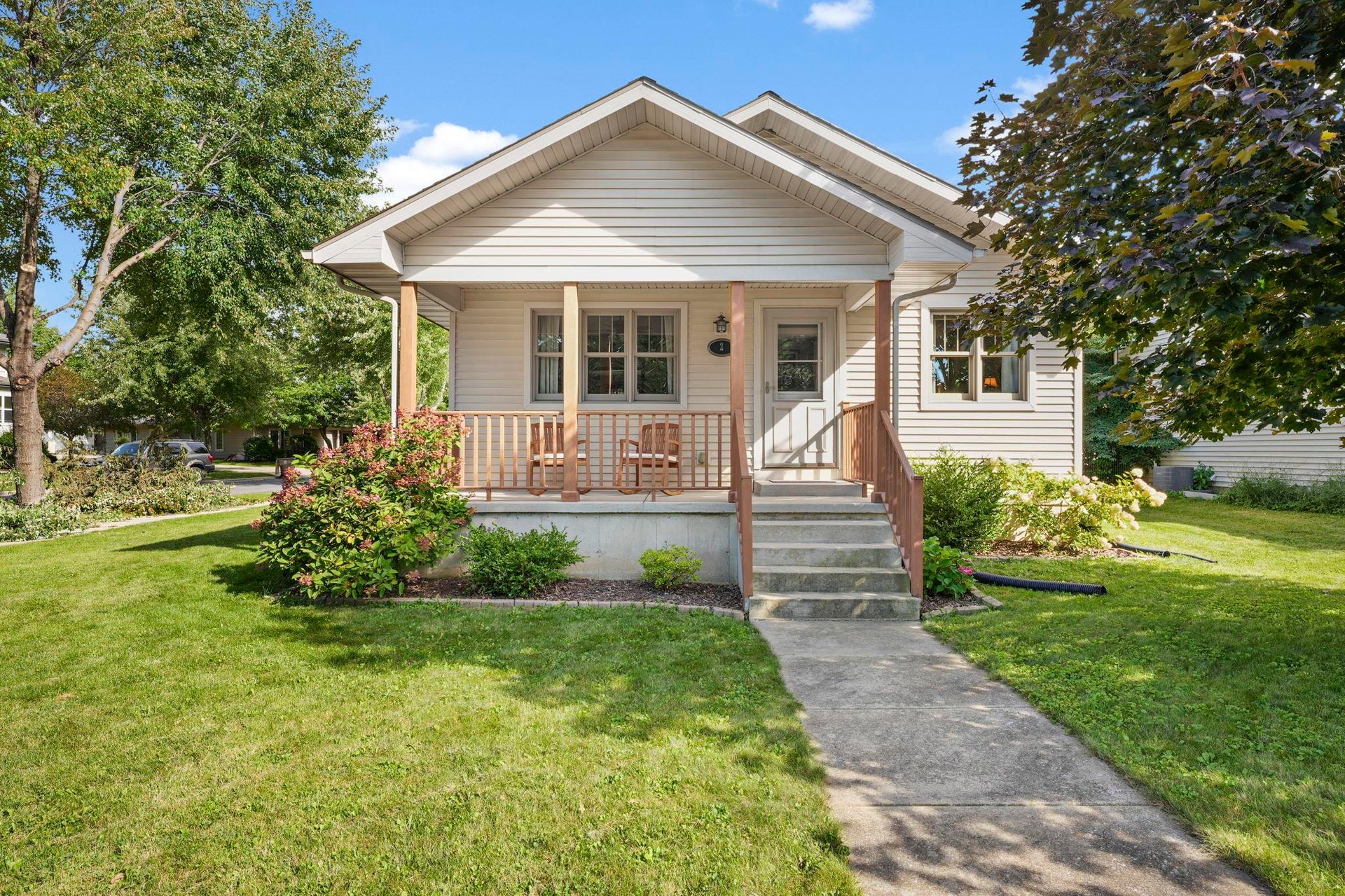
If you are getting ready to list, it is worth testing before you go to market. Finding out during a buyer's inspection puts you on the back foot. Knowing ahead of time lets you handle it on your own terms, and a home that already has a mitigation system in place is one less thing for a buyer to worry about.
If you are simply staying in your home, the advice is just as simple. Test every couple of years, since levels can change over time. Test again after any major foundation work or after finishing a basement, especially if you are now spending more hours down there.
Frequently asked questions
Is radon really a concern around Madison, or is this overblown?
It is a real local issue. Madison sits in Dane County, which is in the highest radon zone the EPA assigns, and about half of the homes tested here have come back elevated, compared to roughly one in ten statewide. That does not mean your home is high. It does mean it is worth checking rather than assuming.
How do I actually test?
You can buy a short-term or long-term test kit, find a low-cost one through Public Health Madison and Dane County, or hire a certified tester. Testing is usually most reliable in colder months when the home is closed up. Either way, it is the only way to know your number.
What level is considered too high?
The EPA recommends fixing a home at 4.0 picocuries per liter or above. There is no level that is considered completely risk-free, but 4.0 is the standard action threshold.
What does it cost to fix?
A certified contractor installs a mitigation system, typically a sub-slab system that pulls the gas from under the home and vents it above the roof. In the Madison area that usually falls somewhere around $800 to $2,000, depending on the foundation.
My home tested fine years ago. Do I need to test again?
Yes. Radon levels can shift over time as a home and the soil around it change. Retesting every couple of years is a good habit, and it is especially worth doing after foundation work or a basement finish.
Who pays to fix it when a home sells?
There is no fixed rule. Like other inspection items, it is negotiable between buyer and seller. Often the seller installs a system or credits the buyer for the cost.
Want to make sure radon is on your radar?
Whether you are buying, selling, or just want to understand your home a little better, this is one of those quiet things worth getting right. I am happy to point you toward local testing resources and certified contractors, and to talk through how it fits into a purchase or a sale.
Schedule a Call with Cait
Read the Buyer Guide
Read the Seller's Guide
General information about radon in the Madison and Dane County area. It is not medical advice. Radon figures referenced from Public Health Madison & Dane County, the Wisconsin Department of Health Services, and the U.S. EPA. For low-cost test kits and a list of certified contractors, see the Wisconsin Radon Information program.