First, figure out how the title passes. A home held in joint tenancy, survivorship marital property, a transfer on death deed, or a trust can often skip probate. Otherwise, the estate usually goes through Dane County probate, and the personal representative sells the home once they have Domiciliary Letters. Inherited homes generally get a stepped-up tax basis, and a court-appointed personal representative who never lived in the home doesn't have to complete the Real Estate Condition Report.
By Cait Berry | November 11, 2026
If you're reading this, you've probably lost someone, and now there's a house to take care of on top of everything else. I've walked a lot of Madison families through this, often adult kids managing a parent's home from another city, and the first conversation is almost always the same: "Where do we even start?"
You start with one question: who has the legal authority to sell? Everything else, from listing to closing, follows from that answer.
Step one: how is the house titled?
Pull the most recent deed. The Dane County Register of Deeds has recorded deeds, and a title company can help. How the home was owned at death decides the path.
Paths that usually avoid probate
- Joint tenancy or survivorship marital property. The surviving owner already owns the home. They record a Termination of Decedent's Interest (form HT-110) with the Register of Deeds to clear the deceased owner's name from title.
- A transfer on death (TOD) deed. Wisconsin allows a TOD designation on real estate. The named beneficiary records the same type of termination form to take title.
- A living trust. If the home was actually deeded into the trust, the successor trustee can usually sell it under the trust. It's worth confirming the deed, because families sometimes find the home was never moved into the trust.
For a termination, the form is notarized and recorded along with supporting documents, such as the deed that created the survivorship or TOD interest. Dane County has also required a certified death certificate. Call the Register of Deeds or a title company to confirm the current checklist and fee.
When probate is usually needed
If the home was in the deceased person's name alone, with no TOD and no trust, it typically goes through probate.
Wisconsin's Transfer by Affidavit is a simpler option, but it only applies when probate property is $50,000 or less in gross value. A Madison home is almost always well above that, so most families go through probate.
How probate works in Dane County
Many Dane County estates use informal administration through the Register in Probate, without regular court hearings. The basics:
- A personal representative is appointed. That's usually the person named in the will, or an heir if there isn't one.
- Domiciliary Letters are issued. Dane County's guide calls them "your evidence of authority to act on behalf of the estate." This is the document the title company will ask for before the personal representative can sign a listing agreement or an offer.
- The inventory is due within six months of appointment.
- The estate generally needs to close within 12 months after the application for informal administration is filed.
When the home sells, the personal representative conveys it with a Personal Representative's Deed. Dane County recommends having an attorney draft it.
Probate isn't a reason to wait to get the home ready. You can start sorting belongings, get a pricing opinion, and line up repairs while the paperwork moves. Just don't sign a listing agreement or accept an offer until the person signing has the authority to do it. I explained that in more detail in who signs the offer: power of attorney, trusts, and estates.
Disclosures: the condition report exemption
In Wisconsin, sellers generally complete a Real Estate Condition Report. There's an important exception for estates.
The report form itself states that an owner who is a personal representative, trustee, conservator, or fiduciary appointed by or subject to supervision by a court, and who has never occupied the property, is not required to complete it.
That makes sense. The person selling often hasn't lived there and doesn't know about the 2009 basement leak. But buyers will still want information, so:
- Share what you do know. Being exempt from the form doesn't mean you can hide a known defect.
- Consider a pre-listing inspection. On an older home in Westmorland or on the east side, it gives buyers confidence and helps you price around big items like a roof or furnace.
- Expect "as-is" offers to be common, and price accordingly.
Taxes: the stepped-up basis
This is the piece most families are relieved to hear about.
Inherited property generally gets a stepped-up basis to its value on the date of death. If Mom bought the house in 1985 for $95,000 and it was worth $520,000 when she passed, the starting point for tax purposes is about $520,000, not $95,000. If the estate sells it for $550,000 and pays $30,000 in selling costs, the gain is roughly zero.
A few things to keep in mind:
- Get a date-of-death value. An appraisal or a well-documented market analysis from that time helps your CPA support the basis.
- Wisconsin is a marital property state. When the first spouse dies, both halves of a marital home may get a step-up. That matters if the surviving parent sells later.
- If an heir moves in, the rules change once it becomes their own home or a rental.
For how capital gains work on a regular home sale, see how capital gains tax works when you sell a Madison home.
Getting the house ready
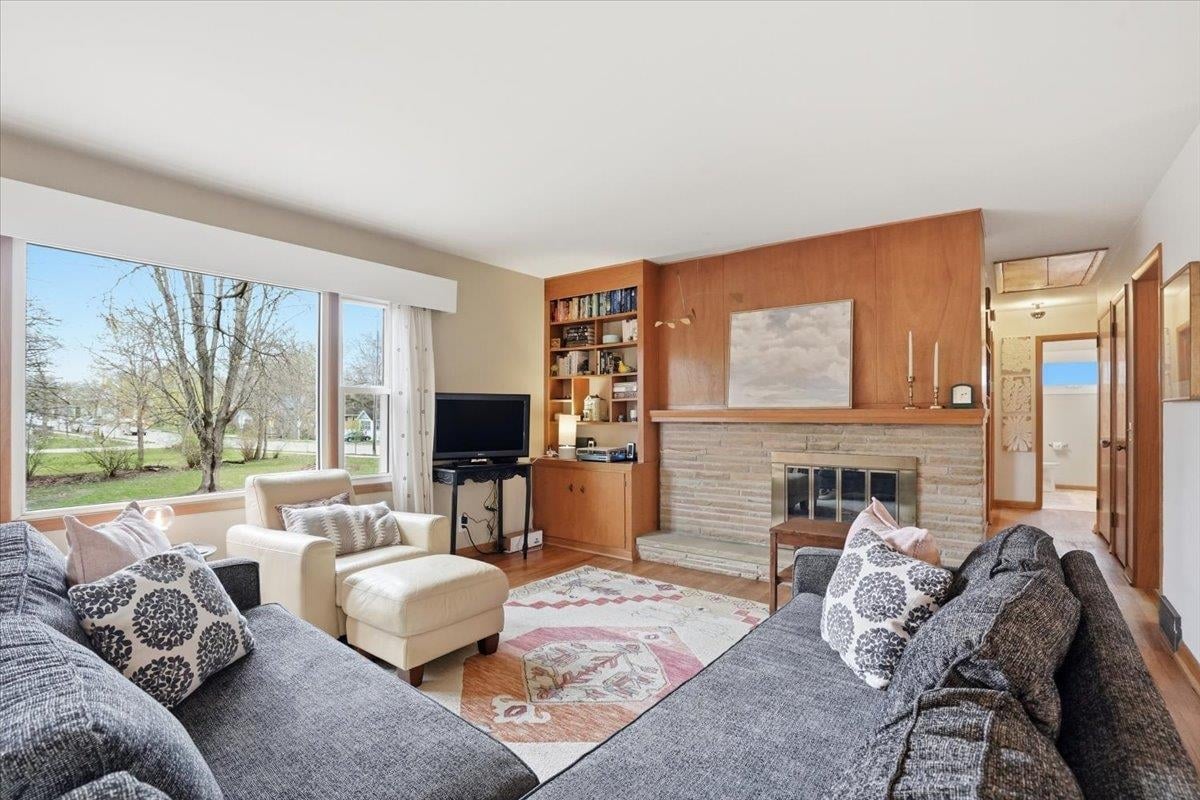
- Keep it insured. Call the homeowner's insurance company to report the death. Vacant homes often need a different policy, and a Wisconsin winter is hard on an empty house.
- Winterize if it's vacant. Keep the heat on, have the plumbing checked, and arrange snow removal so the house doesn't look empty.
- Keep paying the essentials. Mortgage, property taxes, utilities, and insurance usually come from estate funds.
- Decide together. If several heirs inherit, agree early on price, timing, and who makes decisions. Disagreements slow sales more than paperwork does.
- Remove belongings before photos. Estate sale companies and cleanout crews in Dane County book up, especially in spring.
If you're handling this from out of state, I shared how families manage it remotely in selling a parent's Madison home from another state.
Frequently Asked Questions
Do you have to go through probate to sell a house in Wisconsin? Not always. Homes held in joint tenancy, survivorship marital property, a transfer on death deed, or a funded trust can usually pass without probate. A home in the deceased person's name alone generally needs probate before it can be sold.
Can you sell a house during probate in Wisconsin? Yes. Once the personal representative has Domiciliary Letters, they can list and sell the home and convey it with a Personal Representative's Deed. You can prepare the home while the appointment is pending, but wait to sign agreements until authority is in place.
Does an estate have to fill out a Real Estate Condition Report in Wisconsin? A personal representative, trustee, conservator, or fiduciary appointed by or subject to supervision by a court, who has never lived in the home, is exempt from completing the report. Known defects should still be disclosed.
Do you pay capital gains on an inherited house? Usually very little. Inherited homes generally get a stepped-up basis to their value at the date of death, so tax applies only to growth after that date, minus selling costs.
How long does probate take in Dane County? Under informal administration, the inventory is due within six months of the personal representative's appointment, and the estate generally needs to close within 12 months of filing. Selling the home often happens within that window.
The bottom line
Selling an inherited home in Madison comes down to authority first, then preparation. Confirm how the title passes, get Letters if probate is needed, use the disclosure exemption thoughtfully, and document the date-of-death value for taxes.
You don't have to sort this out alone. If you're handling a loved one's home and aren't sure where to start, let's talk through your situation.
Your Madison Insiders
Handling a loved one's Madison home? Let's map out the next steps together.
Cait helps families with estate and inherited home sales across Dane County, often for heirs who live out of state.
About Cait Berry
Cait Berry is the founder and team lead of Insiders Realty with REAL Broker, LLC, serving buyers and sellers across Dane County. A sixth-generation Madisonian and full-time agent since 2012, she helps relocating families, move-up buyers and sellers, and first-time buyers make confident moves in the Madison market. Cait is also a business coach for real estate agents with Tom Ferry International.
This post is general information about Wisconsin estate and real estate procedures, not legal or tax advice. Estates vary, so work with a Wisconsin probate attorney and a tax professional on your specific situation.