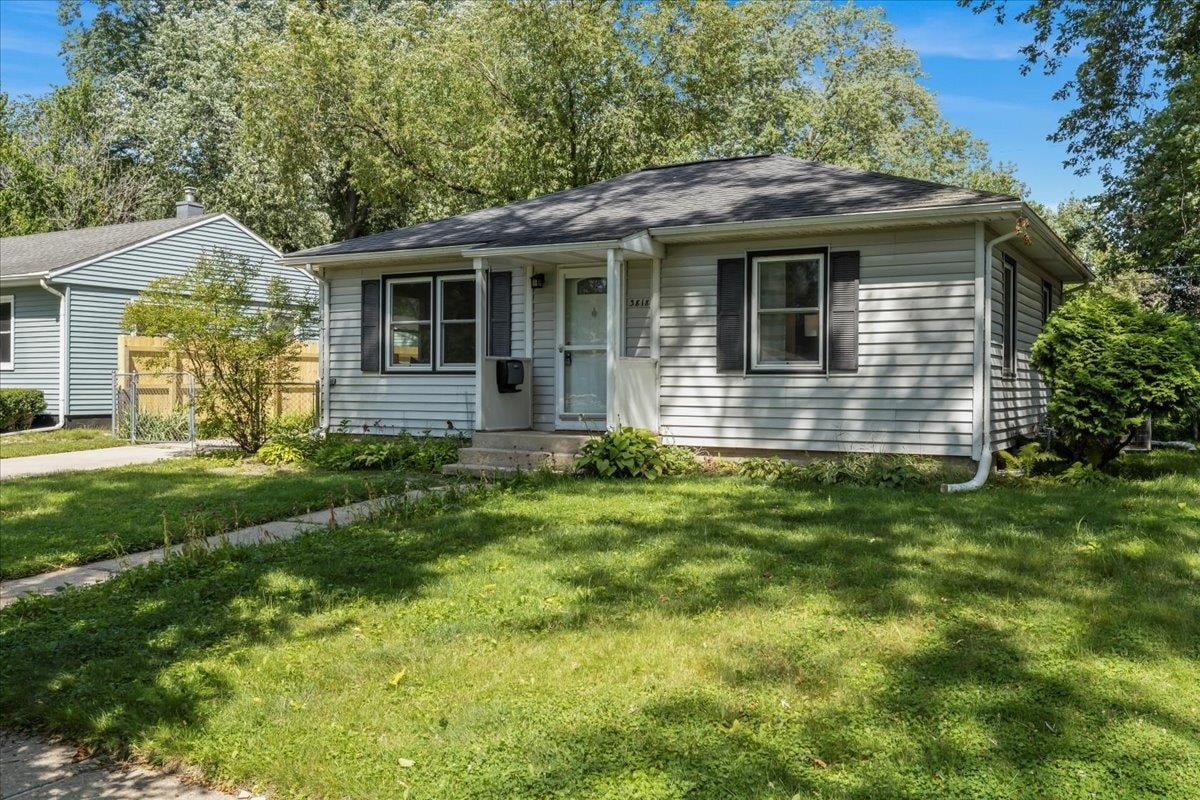
What the 2026 Assessment Means If You're Selling Your Madison Home
Your assessment is one data point. Here's how to use it without letting it run your pricing strategy.
If you're planning to sell in Madison this year, the 4.8% bump in your 2026 assessment is going to come up. Buyers will see it. Your neighbors will mention theirs. You'll be tempted to use yours as a reference point for what to list at.
That is exactly where a lot of sellers get into trouble.
Your assessment is useful context. It is not a pricing strategy. And the sellers who confuse the two are usually the ones whose listings sit longer than they should, get marked down two or three weeks in, and end up closing for less than they would have with a sharper plan from day one.
Here's what the assessment actually tells you, what it doesn't, and how to use it correctly as you head toward listing.
What your assessment is actually useful for

Your 2026 assessed value reflects what the city believes your home would have sold for on January 1, 2026, based on comparable sales from 2025. That is the entire scope of the number.
What it can tell you: how the city's view of your home has shifted relative to your neighbors over time, whether the physical record of your home is accurate, and whether your area is appreciating faster or slower than the city average of 4.8%.
What it cannot tell you: what a buyer will actually pay for your home this summer. Markets move. The January 1 valuation date already feels like a long time ago when you're sitting at a closing table six months later.
Why anchoring to your assessment hurts your sale

Two homes on the same block can have similar assessments and sell for noticeably different prices. Condition, updates, layout, lot, light, and how the home is presented all change the outcome.
A pricing strategy that starts with the assessment ignores all of that.
The Madison market in 2026 is still favoring sellers, but it is not the frenzy of 2021. Homes priced correctly in the first two weeks tend to build momentum, attract multiple buyers, and close near or over asking. Homes priced off the assessment, high or low, are usually the ones that linger. Once a listing sits past day 14, the pricing conversation changes, the buyer pool perception changes, and you lose leverage that you did not need to lose.
What the data is showing right now

Here is what the current Madison market actually looks like, and why it matters for your pricing strategy.
Year-to-date through May, the median sale price in Madison sits at $435,000, up 3.0% from the same period last year. Homes are still moving fast, with a median of 7 days on market and 1.28 months of supply. By the standard six-month threshold, we are still in a seller's market.
But the edges are softening in ways that matter for sellers.
The average percent over asking has dropped to 1.79% in April, down from over 3% a year ago. Average days on market has crept up by about six days year-over-year. April sales volume is down 7.3% compared to last April. Buyers are still active, but they are no longer overpaying as a reflex.
For sellers, this means the margin for error on pricing has shrunk. A year ago, a slightly overpriced home could still attract bidding because demand was absorbing everything. Today, that same overpriced home is more likely to sit, then need a reduction, then close for less than a correctly priced listing would have.
What buyers are actually responding to
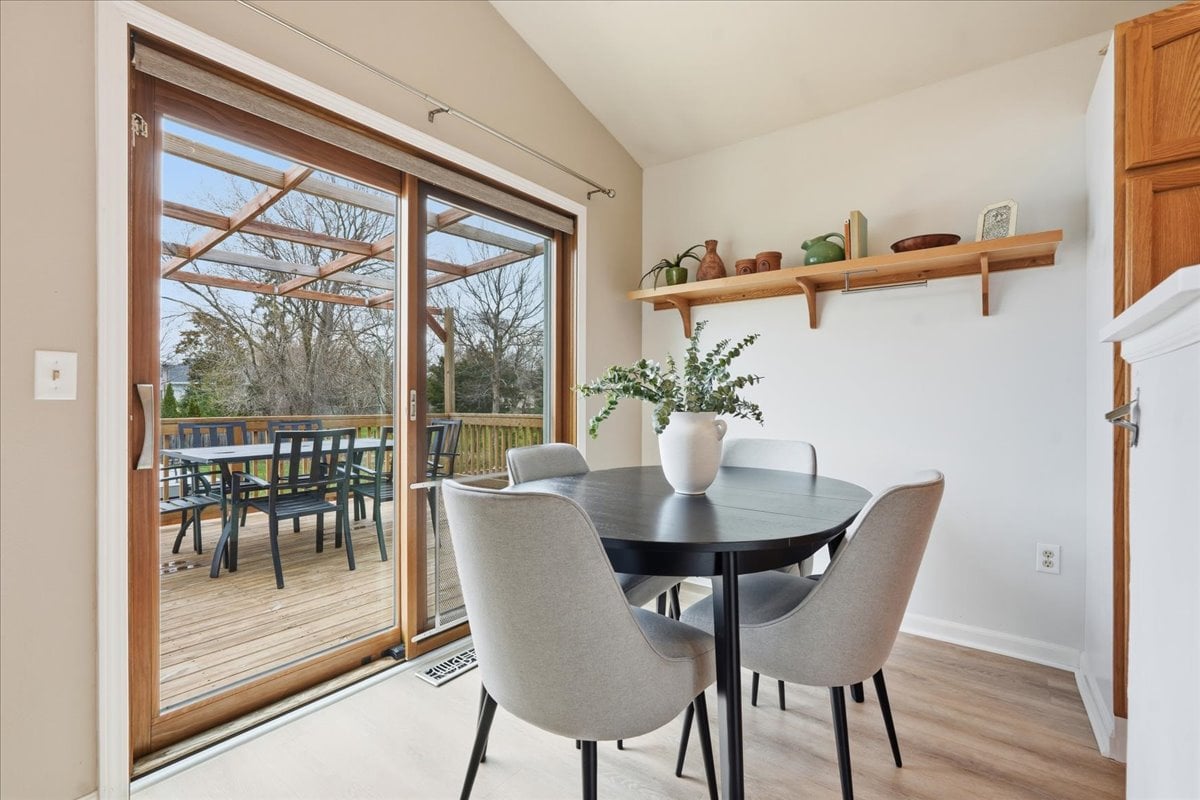
The buyers in this market are more selective than they were three years ago. They are looking at:
Condition and prep. Move-in ready homes are still seeing multiple offers. Homes that need work are sitting longer or going for less. The gap between "thoughtfully prepped" and "as is" has widened.
Pricing that matches the actual comps, not the assessment. Buyers and their agents are running their own comparative market analyses. If your number does not line up with what is actually closing nearby, the gap shows up fast in feedback and offer counts.
Neighborhood nuance. A $500,000 home in one Madison neighborhood is being evaluated against different competition than a $500,000 home in another. Buyers know this. Sellers who price as if Madison is one uniform market lose ground to sellers who understand that it is not.
The smarter way to use your assessment

Use the assessment as one input. Then build your real pricing strategy from current comparable sales, neighborhood-specific buyer behavior, and an honest read on how your home shows relative to the competition.
A few questions worth answering before you set a price:
What have homes within a half-mile of yours actually closed for in the past 60 days? Not list prices. Sale prices.
Of those, which are most similar to yours in square footage, condition, and updates? Those are your comps. Your assessment is not.
What are the homes currently active in your neighborhood listed at, and how long have they been on the market? That is your competition. If they are sitting, there is usually a reason.
If you are working with an agent, this is the analysis you should be seeing. Not a one-page market report with the assessment stapled to it.
The real goal
A successful Madison sale in 2026 is not about pricing as high as the assessment will support. It is about positioning the home correctly so that the right buyers see it at the right price in the right first two weeks. That is how you build momentum, remove buyer objections, and end up with a strong close instead of a stale listing and a reduction.
If you're thinking about selling in the next six to twelve months, this is the moment to start with thoughtful prep, not list price. The assessment is part of the picture. It is not the picture.
Ready to build a real pricing strategy for your Madison home?
Before we list a home, we walk through it with our sellers to help decide what is worth doing, what is not, and where the prep budget will have the biggest impact.
If you want the bigger picture on how the 2026 assessments are shaping the Madison market, start with our full breakdown here. When you are ready to talk through your specific home and timing, we are one click away.
Schedule a Seller Strategy Walkthrough with Cait
Discover What Your Home Is Worth
Read Our Seller's Guide
Market stats sourced from SCWMLS Housing Market Snapshot, City of Madison filter, as of May 24, 2026. Assessment data sourced from the City of Madison Assessor's Office 2026 Property Tax Base report.
This article is general information about the Madison real estate market, not legal, tax, or assessment advice for any specific property.