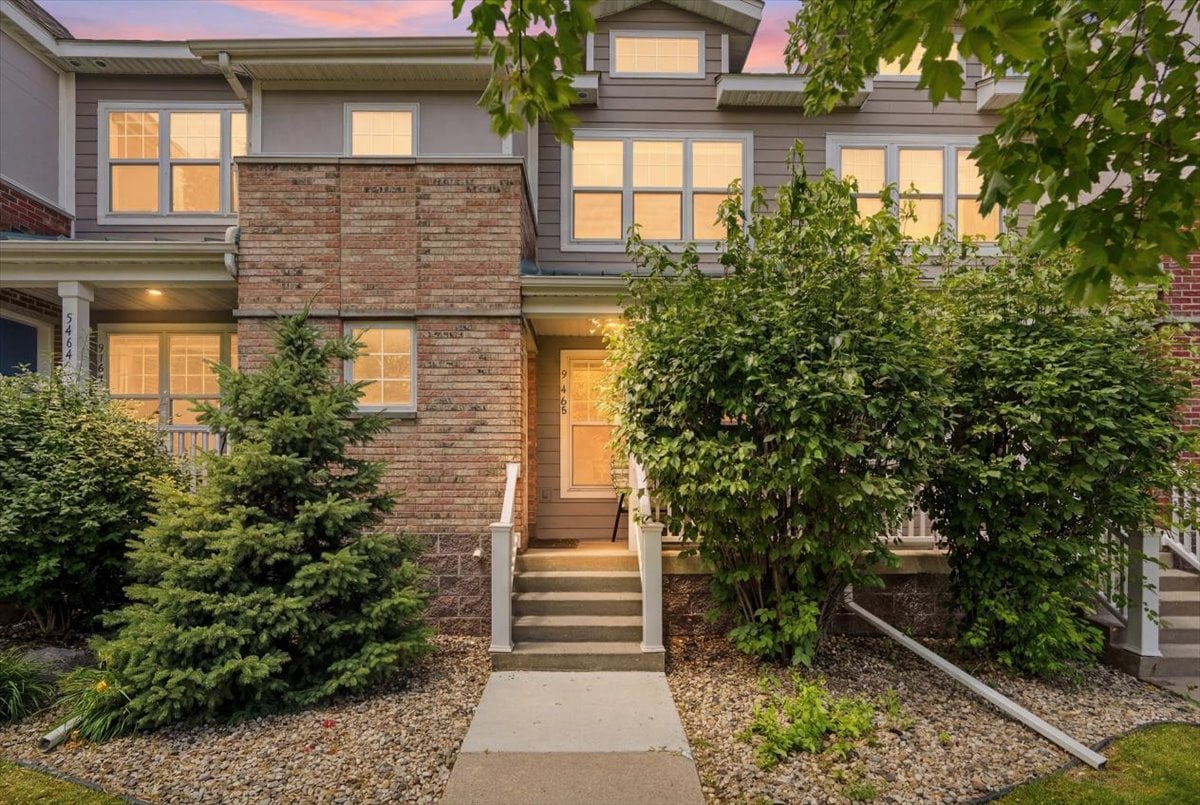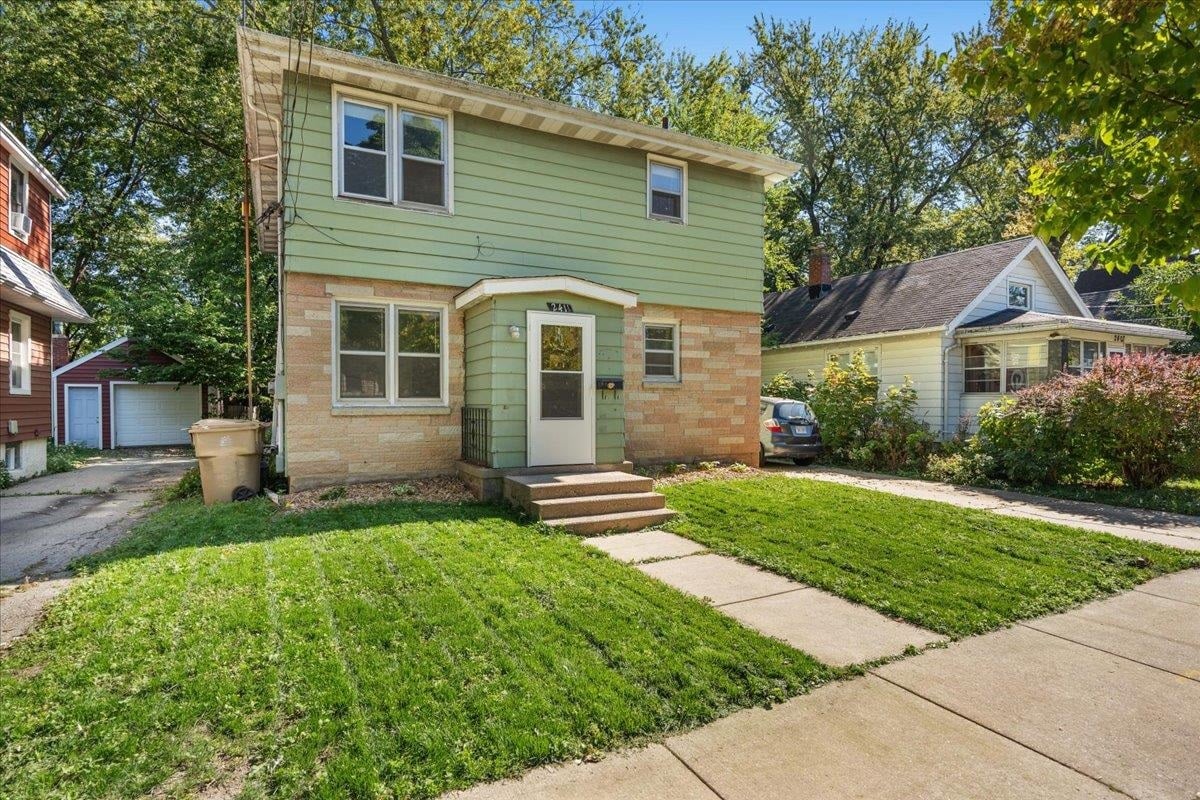
Buyers are not rejecting older finishes. They are doing math on what the repairs will cost.
Homes that need updating used to attract buyers excited by the chance to make a property their own. Those buyers still exist, but many are becoming more cautious.
The issue is not usually that buyers dislike older finishes or expect every home to be newly renovated. More often, they are worried about how much the work will cost and whether they will have enough money left after closing.
In today's Madison market, the condition and the price need to make sense together.
Buyers have less room in their budgets for repairs
Wisconsin's Housing Affordability Index fell 4.1% during the 12 months ending in July 2026. Even with modest improvements in mortgage rates and household income, rising home prices kept the pressure on affordability.
A buyer's budget does not end with the purchase price. It also has to cover:
- Property taxes
- Homeowners insurance
- Association fees
- Moving expenses
- Immediate repairs
- Future maintenance
When the monthly payment is already near the top of a buyer's comfort range, an aging roof, an outdated electrical system, or failing mechanical equipment can make the home feel financially unmanageable.
Many buyers are not unwilling to take on projects. They simply may not have enough cash available after the down payment, the closing costs, and the move itself.
Older finishes are different from deferred maintenance
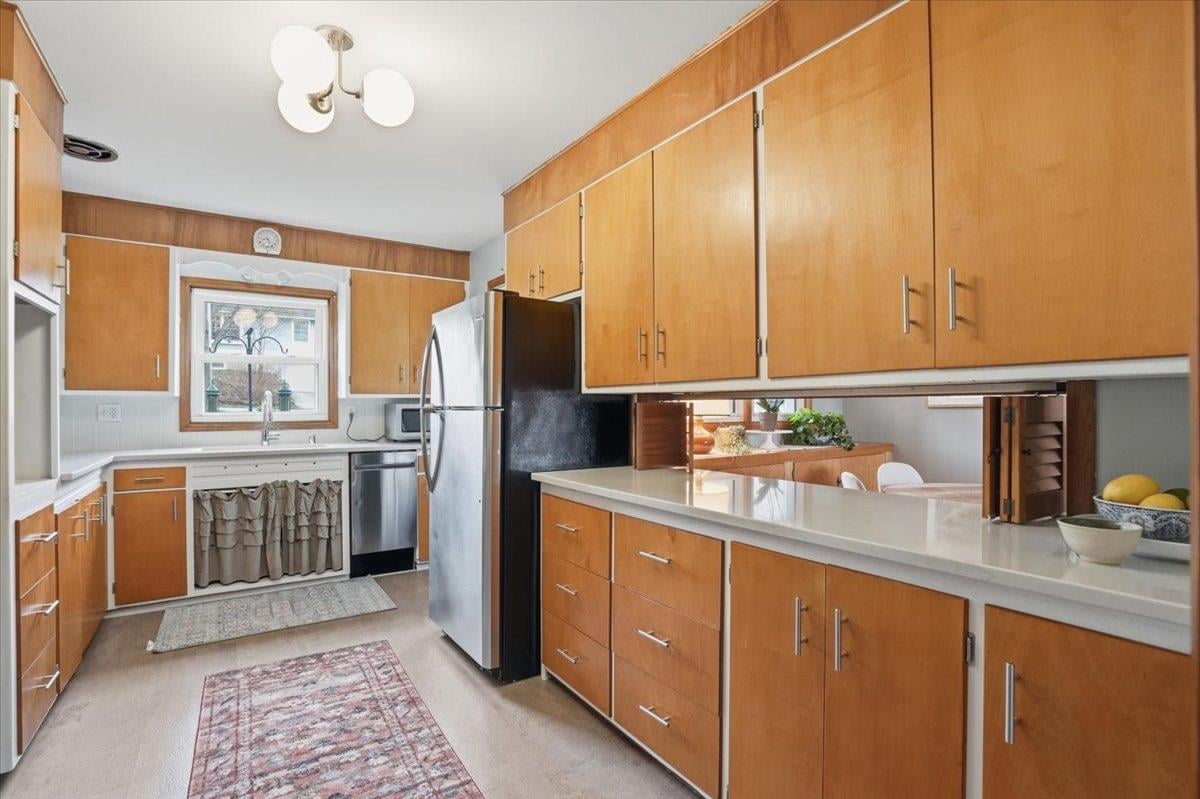
A home does not need to be completely remodeled to sell.
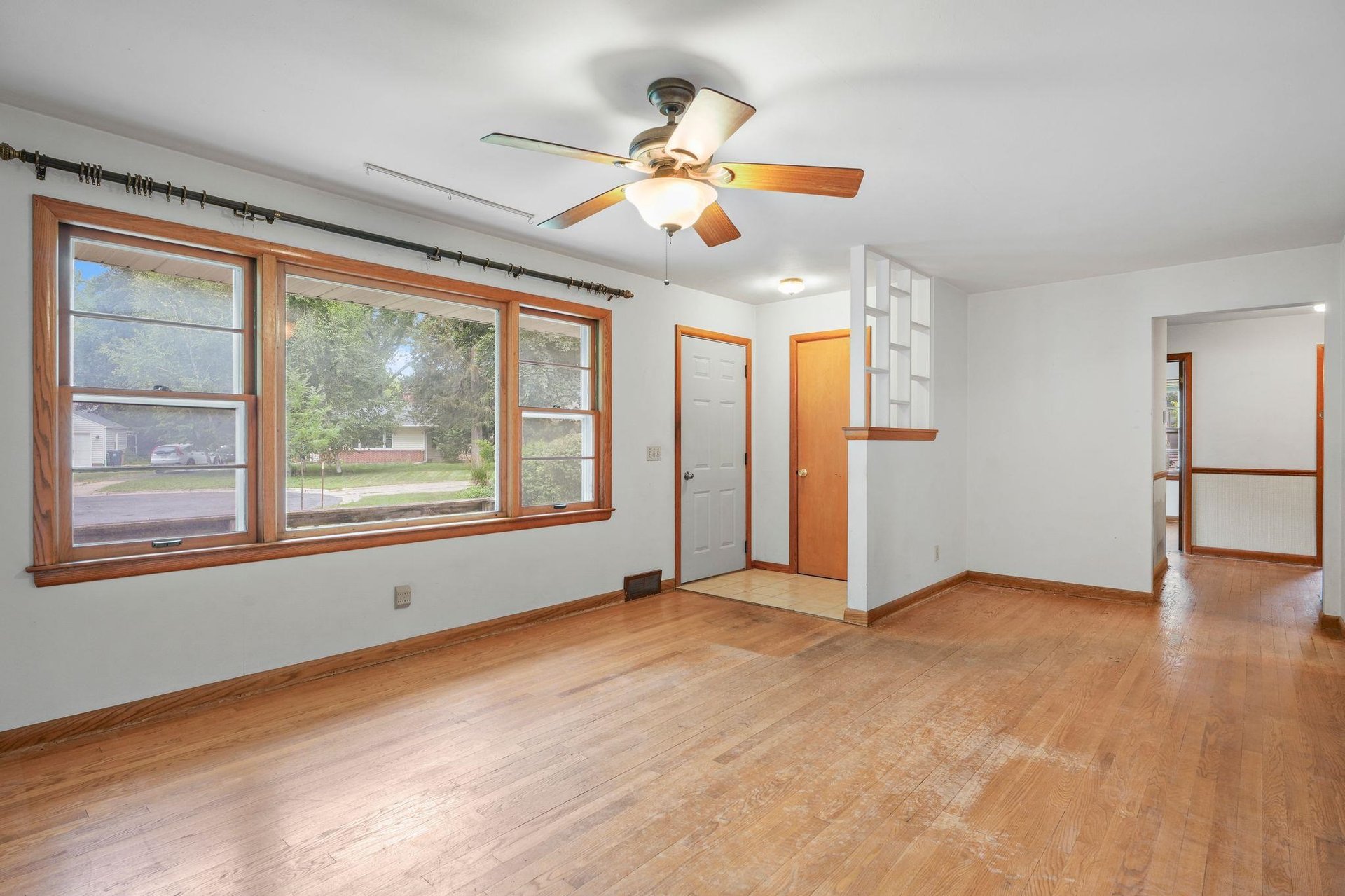
Many buyers can look past older cabinets, dated countertops, wallpaper, paint colors, and worn but functional finishes. Those are predictable projects that can usually be completed over time.
Buyers tend to be more cautious about:
- Roofs
- Foundations
- Water intrusion
- Electrical systems
- Plumbing
- Furnaces and air conditioners
- Sewer or septic systems
- Structural repairs
These projects can be expensive, disruptive, and difficult to postpone. Some may also affect financing or insurance, depending on the specific issue, the loan, and the insurer.
A home can be cosmetically dated and still feel clean and well cared for. That is a different thing from a home showing signs of neglected repairs.
Uncertainty matters as much as the repair itself
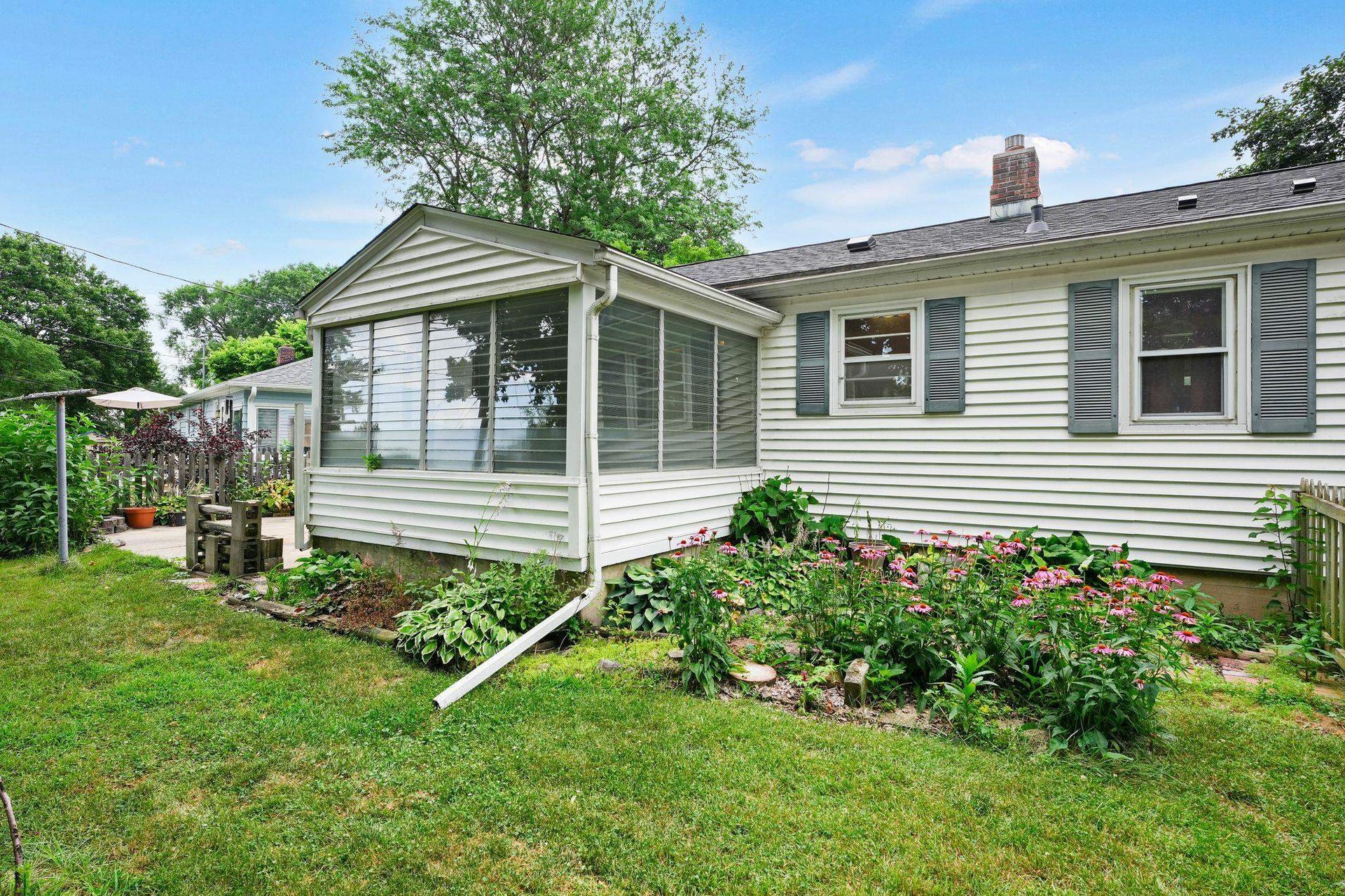
Deferred maintenance often creates questions that buyers cannot answer during a short showing.
Water staining may be old and resolved, or it may point to an ongoing problem. A foundation crack may be minor, or it may need further evaluation. An aging furnace may keep working for years, or it may need to be replaced shortly after closing.
Buyers are not only estimating the visible repair. They are also accounting for the possibility that the final cost comes in higher than expected.
That uncertainty can lead them to skip the home, offer less, or choose a property with fewer immediate concerns.
The price has to account for the work
One of the most common disconnects happens when a seller acknowledges that a home needs work, but the price does not fully reflect what the buyer will be taking on.
Buyers compare the home with move-in-ready alternatives. They look at the difference in purchase price, then estimate the cost, the time, and the inconvenience involved in completing the work.
A $20,000 price difference does not necessarily make up for a project expected to cost $20,000. The buyer may also need to manage contractors, live through construction, and keep additional money available for surprises.
The purchase price and a realistic renovation budget should make sense together when compared with similar homes that are already updated.
Move-in-ready does not mean brand new

Sellers sometimes hear that buyers want move-in-ready homes and assume they need to replace every older finish before listing.
For many buyers, move-in-ready simply means:
- The home is clean
- Major systems appear functional
- Known repairs have been addressed or clearly disclosed
- The property feels well cared for
- They can move in safely and make cosmetic changes over time
A clean, cared-for home with older finishes can still perform well. Buyers get much more cautious when they believe they may inherit expensive or urgent problems.
Should you complete repairs before selling
There is no universal list of projects every seller should complete.
Priority generally goes to safety concerns, active water intrusion, structural issues, obvious deferred maintenance, and defects that could create financing or insurance problems.
Smaller projects like deep cleaning, fresh paint, landscaping, decluttering, and minor repairs can also change how buyers perceive the home without requiring a major renovation.
Before taking on expensive work, it helps to consider:
- Whether buyers will notice the issue immediately
- Whether it affects safety, financing, or insurance
- How competing homes compare
- Whether completing it is likely to improve the sale price or the timeline
- Whether disclosure and appropriate pricing would be more practical
Not every improvement produces a dollar-for-dollar return. The best projects are the ones that remove a meaningful buyer objection or improve the home's competitive position.
Selling as-is can still work
Completing repairs before listing is not always the better option.
Selling the home in its current condition can make sense when the seller needs to move quickly, cannot comfortably fund the work, or believes the likely buyer will want to renovate regardless.
Selling as-is does not mean ignoring the home's condition. Known defects still have to be disclosed as required, and the price should reflect what the buyer will be taking on.
Sellers can also reduce the uncertainty by providing contractor estimates, permits, warranties, maintenance records, or documentation for repairs already completed.
An as-is home can sell well when buyers clearly understand its condition and see enough value to justify the work.
The bottom line
Madison buyers are not rejecting every home with older finishes. They are getting more cautious when the purchase price and the expected repair costs do not line up.
Higher ownership costs leave less room for immediate projects, and buyers hesitate when the scope or the cost of the work is unclear.
For sellers, the answer is not automatically a full renovation. It may be a few targeted repairs, better presentation, stronger documentation, or a price that reflects the condition honestly.
Before investing in major improvements, I would start by figuring out which projects buyers in your price range actually care about, and whether the expected return justifies the cost.
Trying to decide what is worth fixing before you list?
The right answer depends on your home, your timeline, and what you are competing against. We are happy to walk through it with you before you spend anything. If your home is already listed and activity has been slow, here is how we read low showing activity.
Schedule a Call with Cait
Discover What Your Home Is Worth
Read Our Seller's Guide
Data referenced from the Wisconsin REALTORS® Association July 2026 Home Sales Report, the National Association of REALTORS® Remodeling Impact Report, and Freddie Mac guidance on renovating a distressed property.
This article is general information about preparing and selling a home in the Madison and Dane County market. It is not legal, tax, or financial advice, and it is not a substitute for guidance on your specific disclosure obligations.