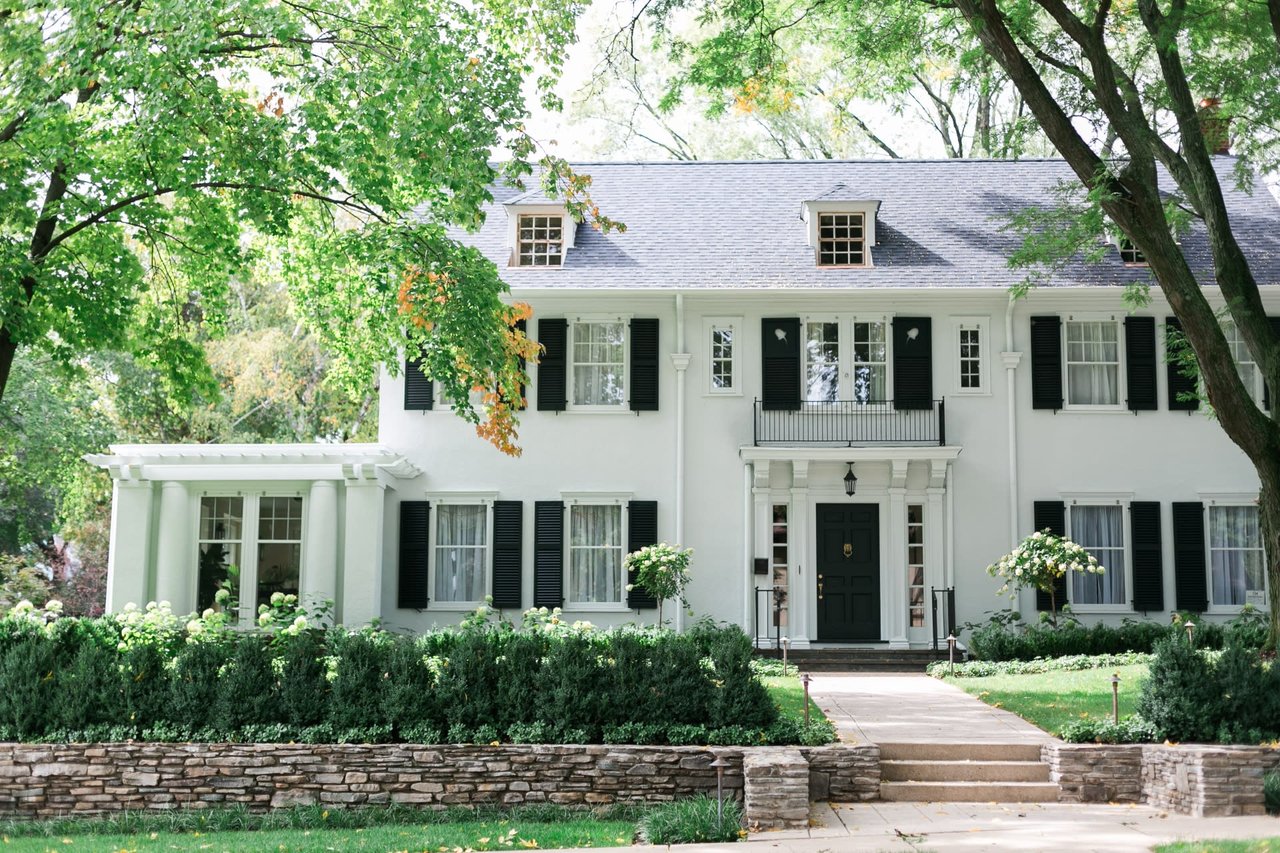
McFarland, WI Neighborhood Guide
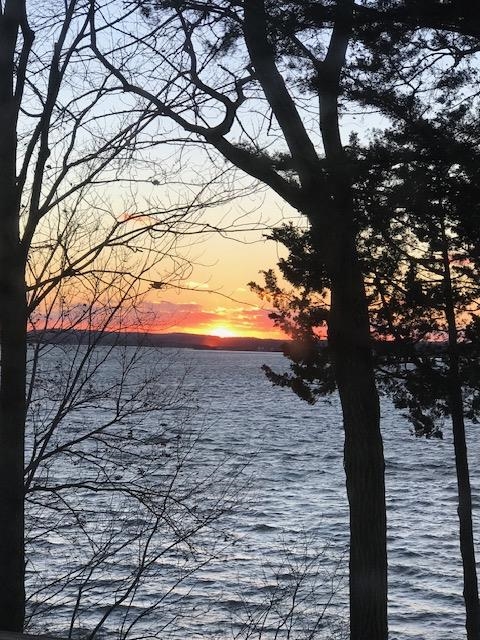
McFarland is one of those places people often discover after looking everywhere else. It sits just southeast of Madison along Lake Waubesa and immediately feels calmer, more grounded, and more personal than many nearby communities.
What surprises people most is how different McFarland can feel depending on where you land. Being near the lake feels very different from living closer to Exchange Street, and both feel different from the quieter residential pockets. That’s why local context matters here.
Living in McFarland, Wisconsin
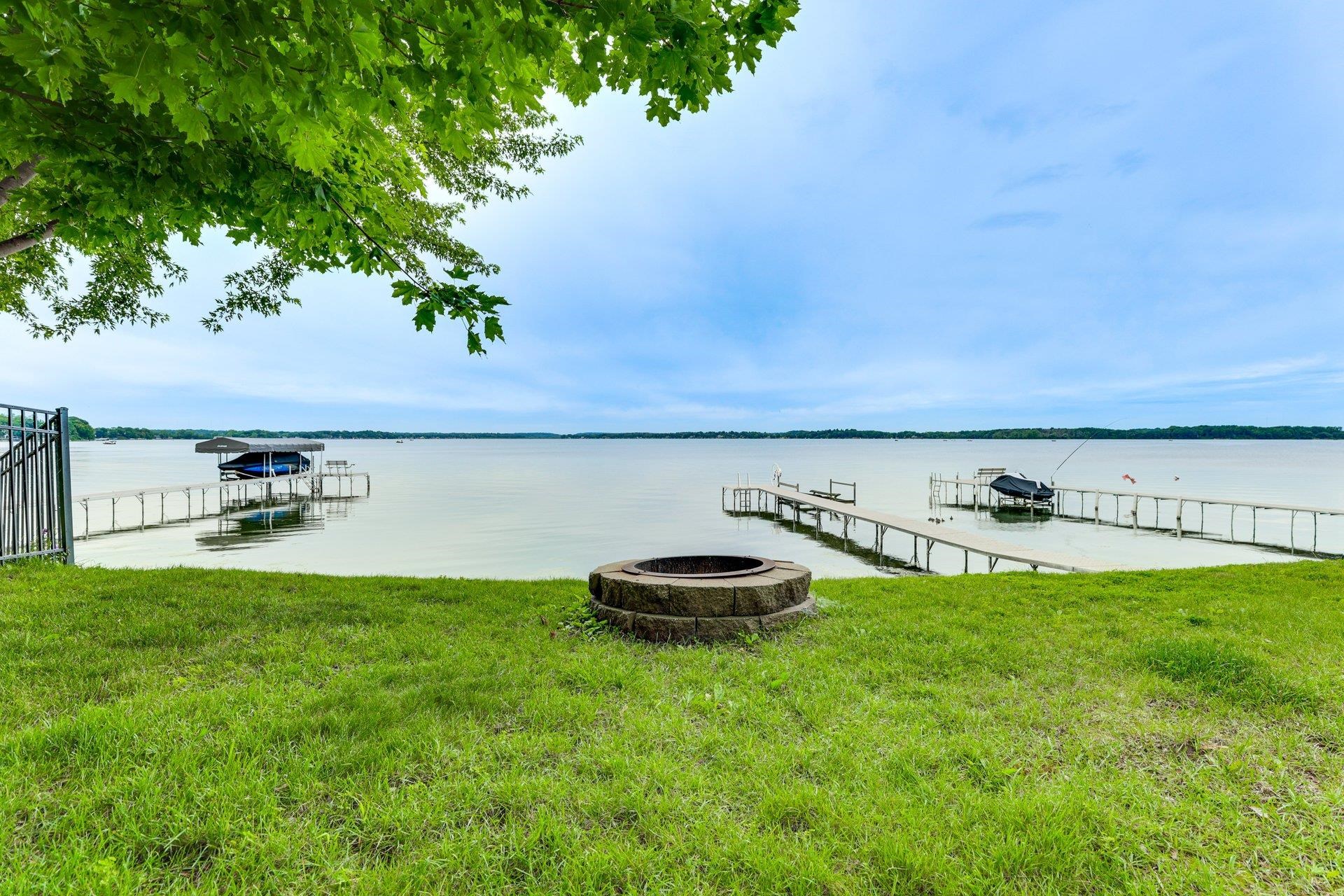
McFarland life is built around the lake, the parks, and a slower rhythm that still stays connected to Madison. Summer evenings are spent at Brandt Park or William McFarland Park, boats move steadily across Lake Waubesa, and kids ride bikes through neighborhoods without much fanfare.
Exchange Street is where things naturally come together. It’s where you grab coffee at McFarland House Cafe, meet friends at McFarland Tavern, or run into someone you know while doing a quick errand.
McFarland Real Estate Overview
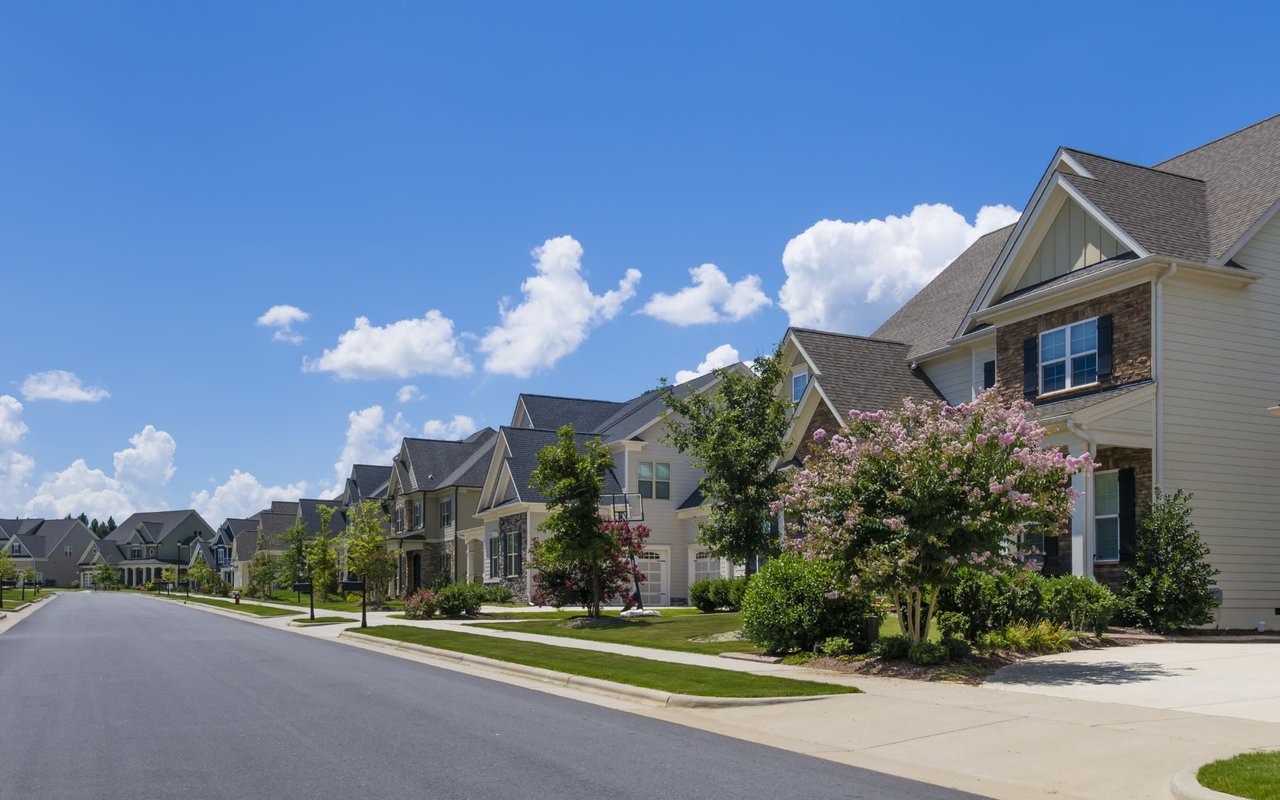
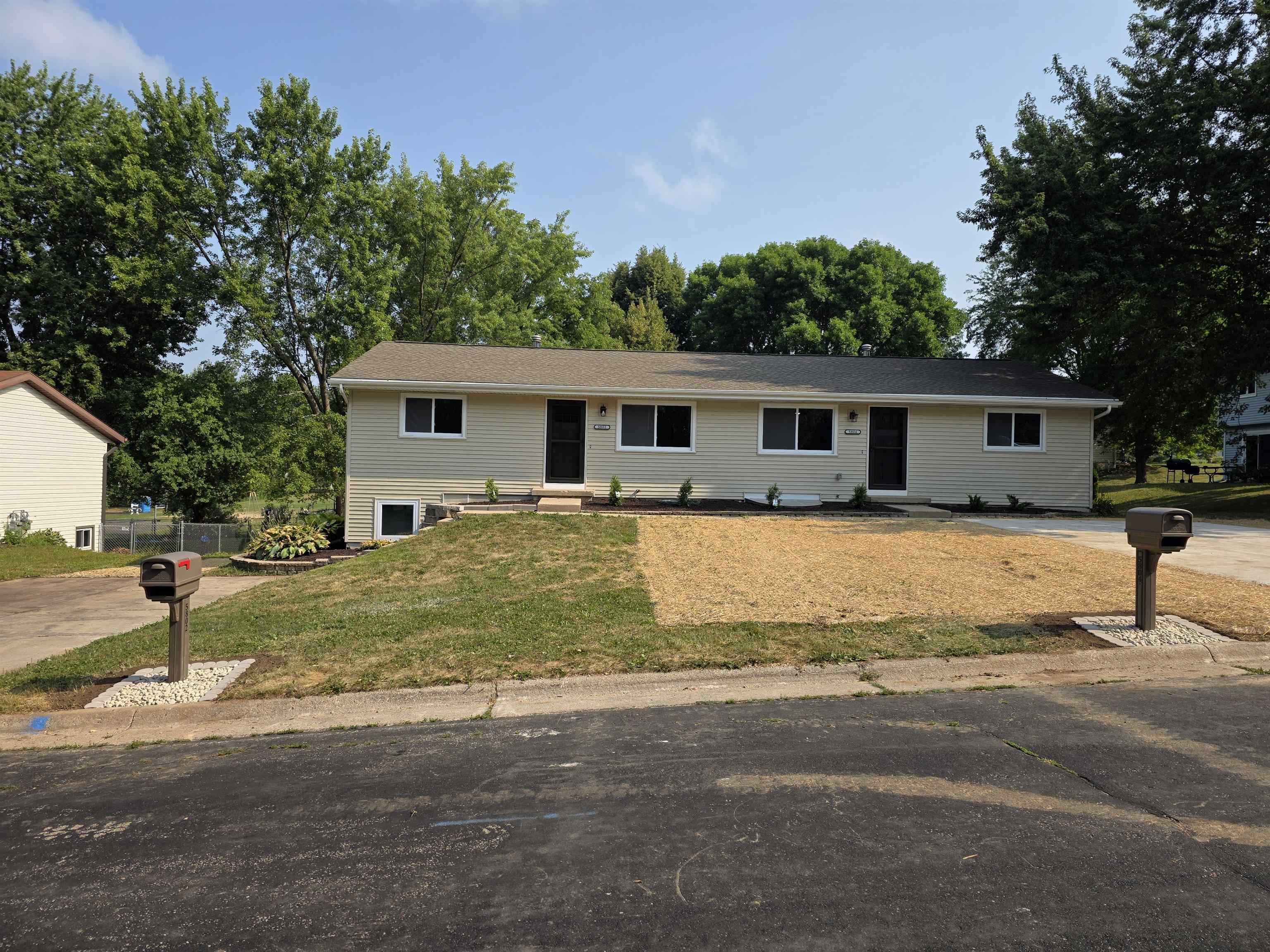
Homes in McFarland range from lake-adjacent properties and older established neighborhoods to newer subdivisions built with parks and paths in mind. Value here is driven less by size alone and more by how the location fits into daily life.
What tends to matter most:
- How close you are to Lake Waubesa or the Yahara River
- Access to parks and walking paths
- Neighborhood traffic flow and noise levels
- Ease of commuting toward Madison or Monona
McFarland Neighborhoods at a Glance
McFarland is small, but the neighborhoods feel distinct. These are the areas buyers ask about most, described the way someone local would explain them.
Lake Waubesa and Lake Edge Road
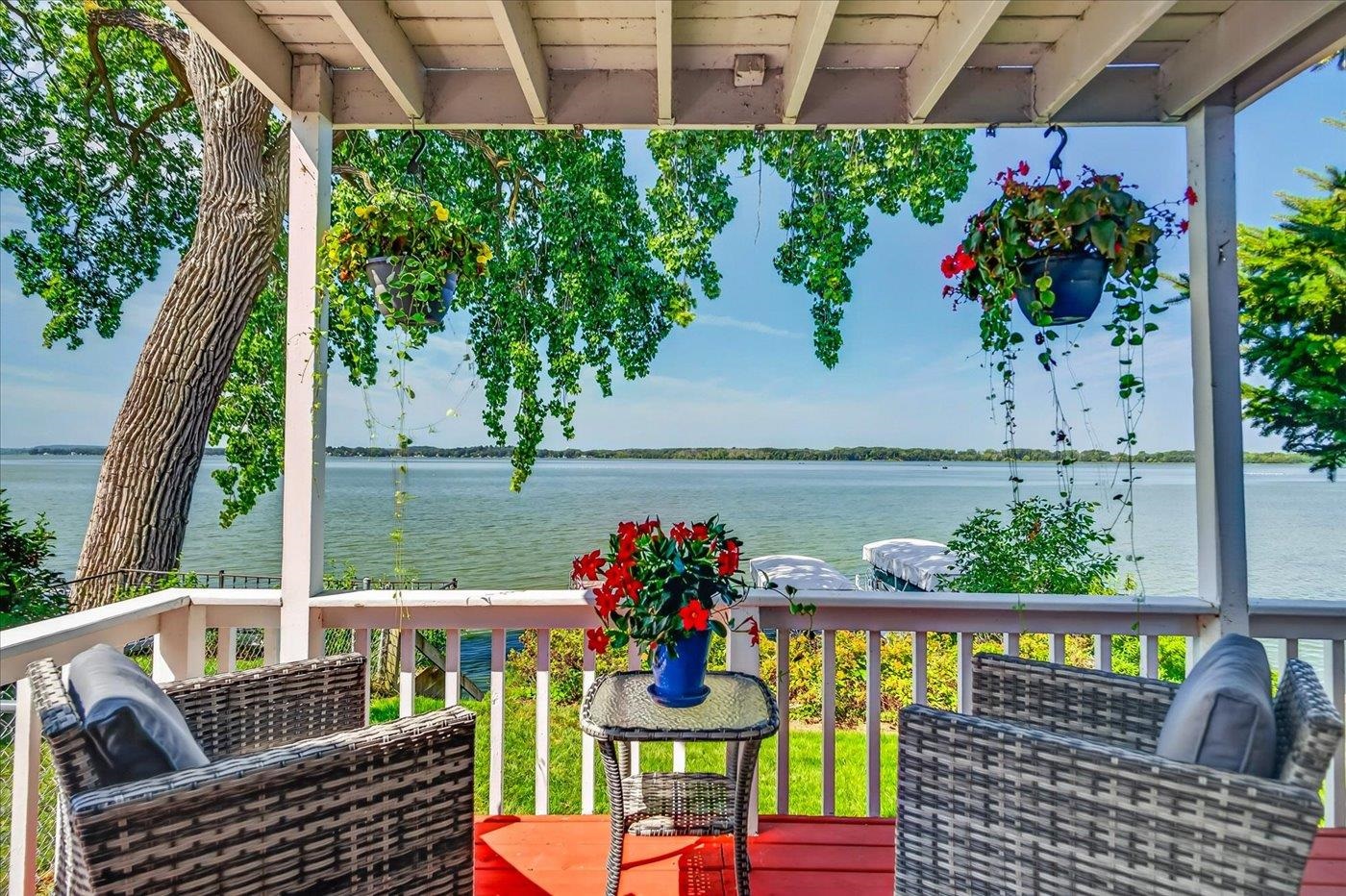
This is the version of McFarland most people picture. Life here revolves around the water, with boats, kayaks, and evening walks along the lake built into everyday routines. It feels relaxed and a little tucked away.
People usually describe this area by saying they’re near Lake Edge Road, close to Brandt Park, or along the Yahara River rather than using a specific neighborhood name.
Exchange Street and the Village Core
This area feels the most walkable and connected. You’re close to the library, village events, parks, and the places people naturally gather.
If someone says they live near Exchange Street, McFarland House Cafe, or the library, this is the part of town they usually mean.
Highland Oaks and Fieldstone
These neighborhoods feel like true residential McFarland. Streets are active, parks are used daily, and people tend to stay once they move in.
Most people reference Highland Oaks Park when talking about this area, with Fieldstone often mentioned as an extension of the same feel.
Autumn Grove and Falling Leaves
Tucked in and quiet, this pocket appeals to buyers who want a calmer residential feel without being far from everything else.
If you hear someone say they’re near Autumn Grove Park or off Falling Leaves Lane, this is the area they’re talking about.
Parkside and Condo Living
This is where the conversation usually goes for buyers looking for lower-maintenance living while staying in McFarland.
People tend to reference Parkside condos or Waubesa Shores when describing these options, especially if lake views or easy upkeep are priorities.
Everyday McFarland Neighborhoods
A lot of McFarland living is about being close to the places you actually use during the week, not a subdivision name on a map.
McDaniel Park, Arnold Larson Park, William McFarland Park, and Lewis Park are common reference points locals use when describing where they live.
Schools in McFarland
Schools matter here, but locals usually talk about them in terms of routines rather than rankings. Walking routes, neighborhood flow, and how the school day fits into life all influence where people choose to live.
Lifestyle and Local Amenities
What people tend to love most about McFarland:
- Lake Waubesa and the Yahara River being part of everyday life
- Parks and paths that actually get used year-round
- Local spots like McFarland House Cafe, Luke’s Cafe, Grace Coffee, and McFarland Tavern
- Being close to Madison without feeling like you live in Madison
Personalized neighborhood guidance
In McFarland, two homes can look similar online but live very differently once you’re there. Small details like park access, traffic flow, and lake proximity matter more than people expect. That’s where local insight makes the difference.
Want help narrowing it down?
We know McFarland the way locals do. Tell us what matters most to you, and we’ll help you focus on the areas that truly fit how you want to live.