Oregon, WI Neighborhood Guide
Oregon, Wisconsin sits just south of Madison and feels like a true transition point between city convenience and small-town pace. People often land here after realizing they want more space, quieter streets, and a strong sense of community, without feeling far removed from Madison.
Oregon has grown steadily over the years, but it has held onto a grounded, familiar feel. Where you live in Oregon makes a difference, whether you want walkability to downtown, quick access to trails and parks, or a little breathing room at the edge of town.
Living in Oregon, Wisconsin
Daily life in Oregon revolves around schools, parks, and time outdoors. Netherwood Knoll, Prairie View Park, and the Badger State Trail are woven into everyday routines, not just weekend plans. Downtown Oregon feels approachable and lived-in, not staged.
Main Street is where things feel most connected. You’ll find local restaurants, coffee shops, and community events that bring people together without trying too hard.
Oregon Real Estate Overview
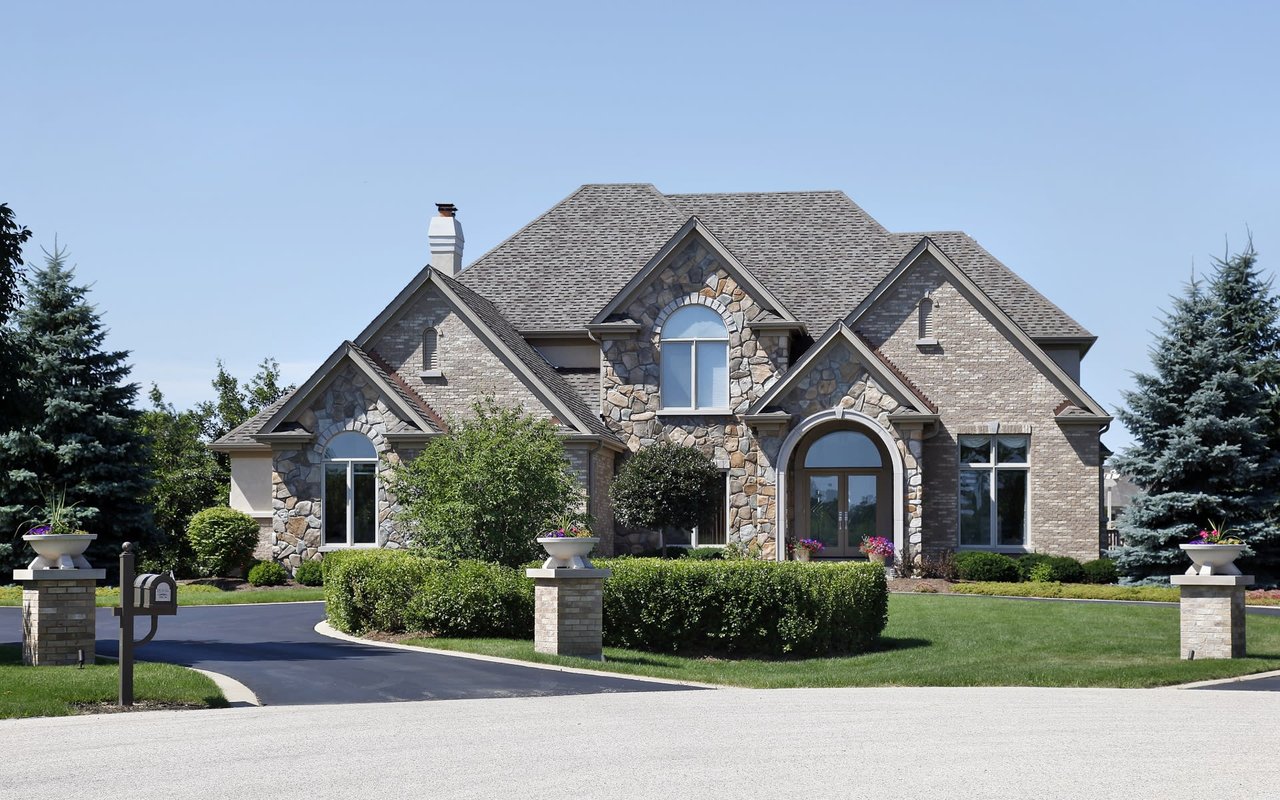
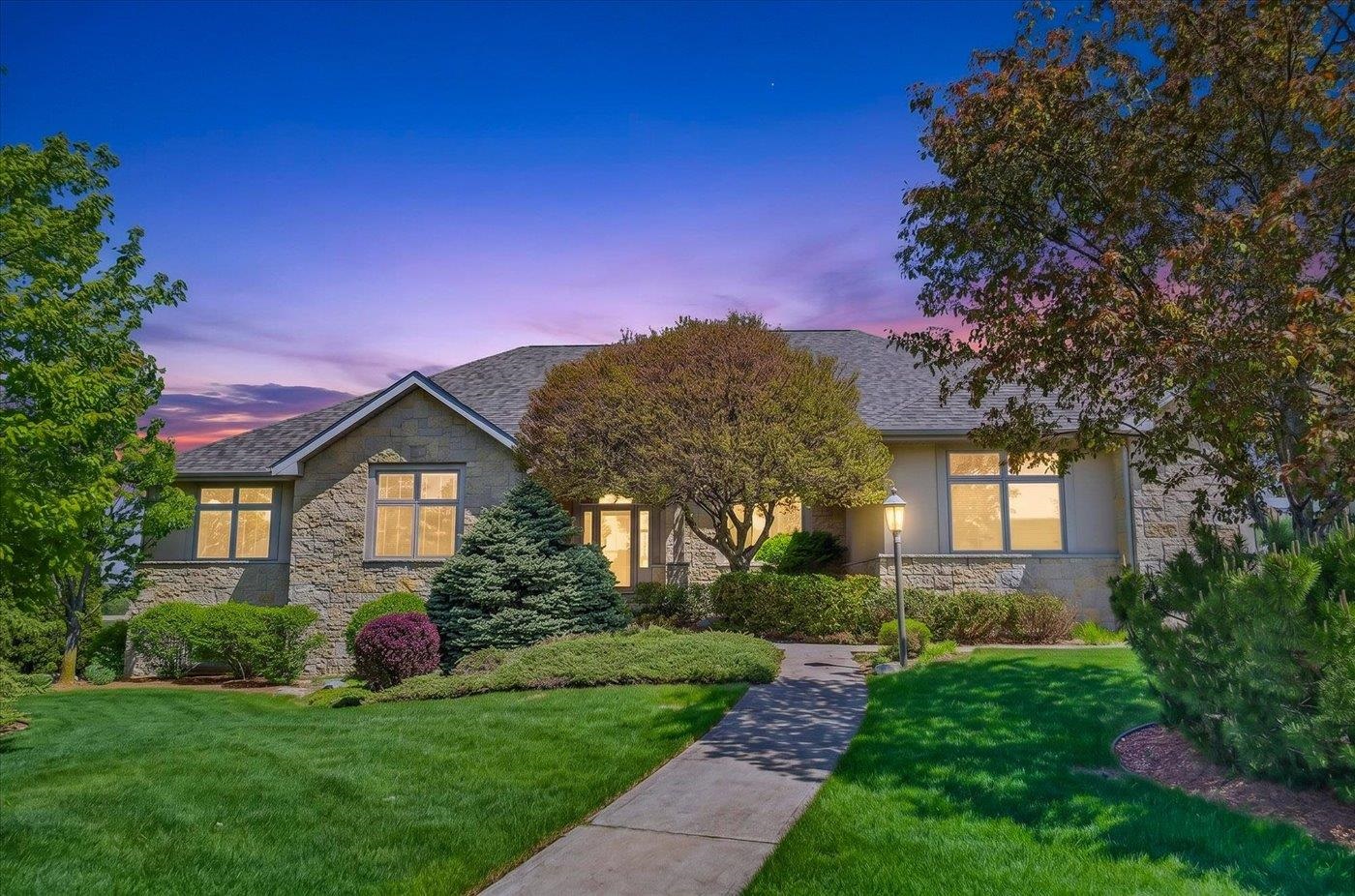
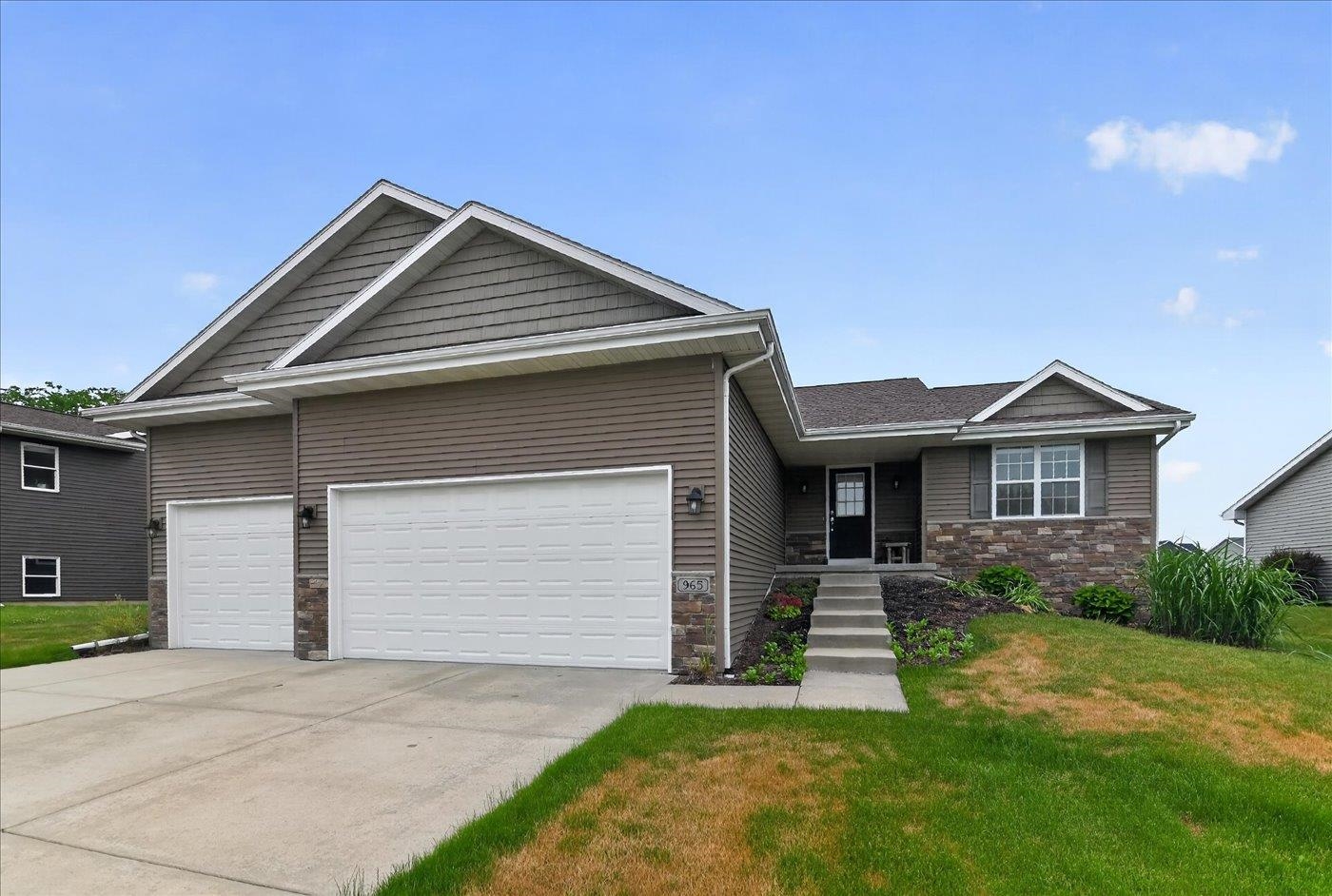
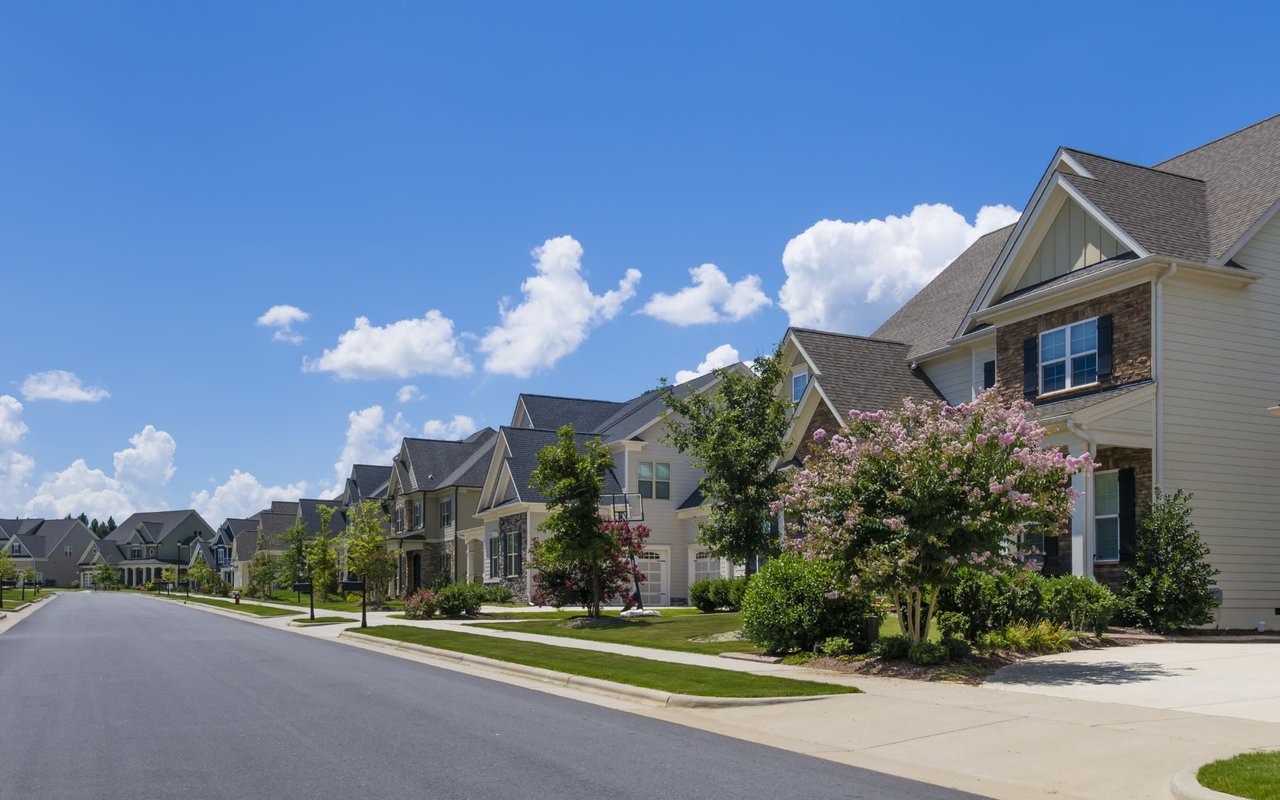
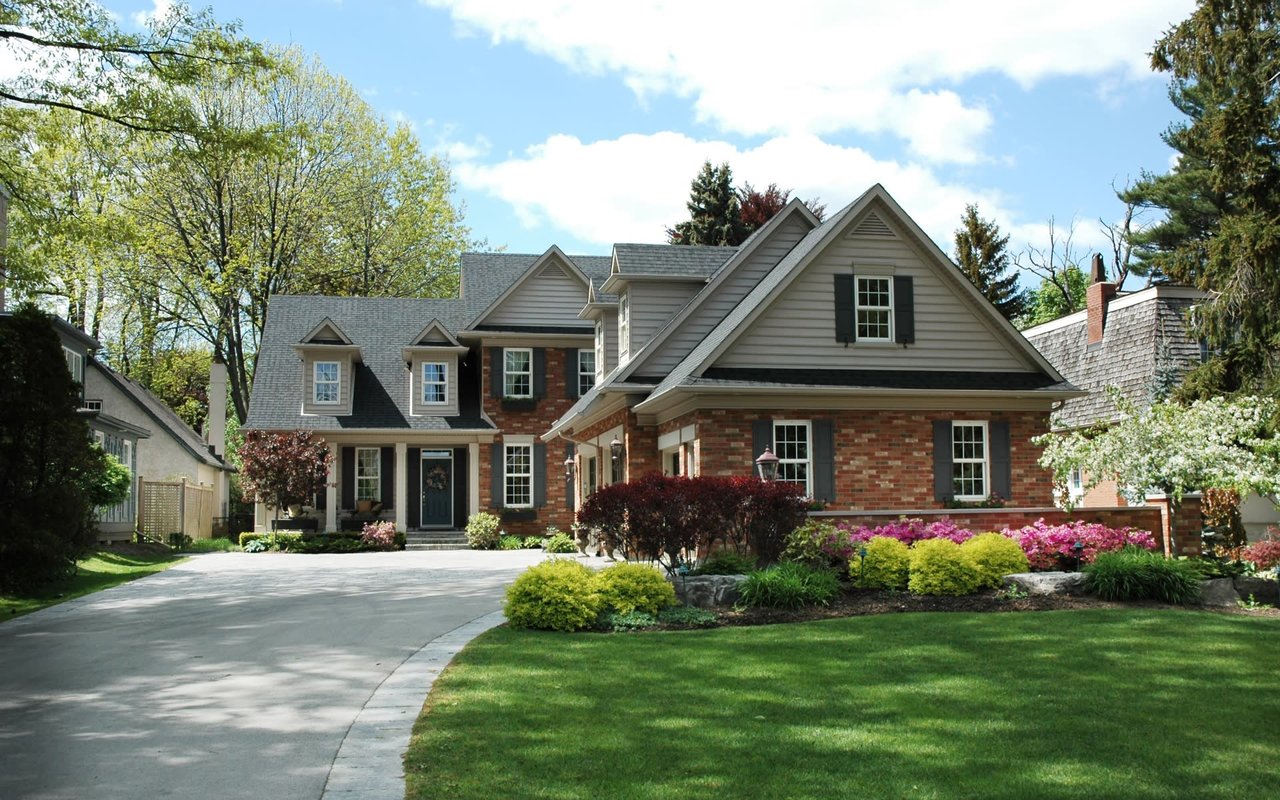
Oregon offers a mix of established neighborhoods, newer developments, and homes on the outskirts with more land. Buyers often choose Oregon for lot sizes, newer housing options, and a slower neighborhood rhythm.
What tends to influence value in Oregon:
- Proximity to parks, trails, and schools
- Lot size and neighborhood layout
- Ease of commuting toward Madison or Verona
- Home age, updates, and overall condition
Oregon Neighborhoods at a Glance
Oregon does not get talked about by subdivision names as much as by location and feel. These are the areas buyers ask about most, described the way locals explain them.
Downtown Oregon and Main Street Area
This part of Oregon feels walkable and connected. You are close to schools, parks, local restaurants, and community events.
If someone says they live near Main Street, the library, or the schools, this is usually what they mean.
Netherwood Knoll Area
This area is closely tied to outdoor living. Homes here feel connected to trails, green space, and one of the most well-used parks in the community.
People often describe this area by how easy it is to get to Netherwood Knoll Park and the Badger State Trail.
Prairie View and Southern Oregon
Quieter and more residential, this part of town appeals to buyers who want newer homes, wider streets, and a calmer pace.
Prairie View Park is a common reference point, especially for families who spend a lot of time outdoors.
Bergamont Area
This area blends Oregon living with a more open, golf-course-adjacent feel. Homes tend to have more space, and the pace feels noticeably slower.
People usually reference Bergamont by the golf course rather than by a neighborhood name.
West-Side and Edge-of-Town Areas
These pockets appeal to buyers who want a bit more breathing room while staying close enough for easy errands and school drop-offs.
This is often where people look when they say they want Oregon but not “right in town.”
Oregon Compared to Nearby Communities
Buyers often compare Oregon to Fitchburg, Verona, and Stoughton. The deciding factor usually comes down to schools, space, and how small-town the day-to-day experience feels.
Side-by-side comparisons help clarify which community aligns best with your lifestyle.
Schools in Oregon
Schools are a major draw for Oregon buyers, but locals often frame the conversation around daily routines. Walkability, drop-off patterns, and how the school day fits into family life matter just as much as boundaries.
Lifestyle and Local Amenities
What people tend to love about living in Oregon:
- Access to parks, trails, and outdoor space
- A downtown that feels familiar and easy
- Community events that actually bring people together
- Being close to Madison without feeling rushed
Personalized neighborhood guidance
In Oregon, small details shape daily life more than people expect. Two homes can look similar online but feel very different once you factor in parks, traffic flow, and how errands fit into your routine.
Want help narrowing it down?
We know Oregon the way locals do. Tell us what matters most to you, and we’ll help you focus on the areas that fit how you want to live.