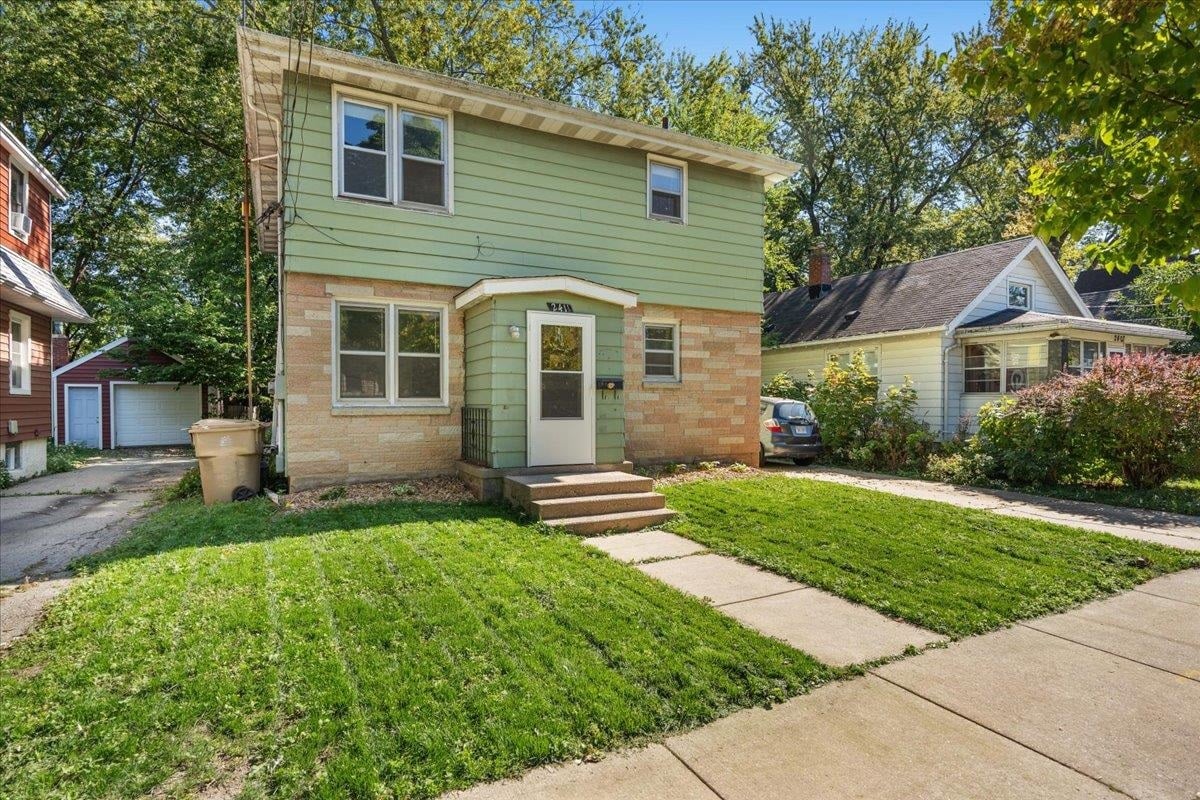
How to decide whether your current house can be fixed or you have outgrown the property itself.
Your house is not working as well as it used to.
Maybe the kitchen is too small. You need another bedroom, everyone is sharing one bathroom or working from home has taken over the dining room.
Renovating may seem like the obvious answer until you see the cost and consider living through construction. Moving is not simple either, especially if you have a low mortgage rate and love your neighborhood.
The decision comes down to one question: Can you fix what is wrong with the house, or have you outgrown the property itself?
Start with what is not working

Some problems can be renovated:
- An outdated kitchen
- An unfinished basement
- Poor storage
- A closed-off floor plan
- No dedicated home office
Other problems are difficult or impossible to change:
- The location
- The commute
- The school district
- A small lot
- Too many stairs
- A neighborhood that no longer fits your lifestyle
If the problem is inside the house, renovating may solve it. If the problem is the property or location, spending more money on the house probably will not.
When renovating makes sense
Renovating may be the right choice when you love where you live and one focused project would solve most of the problem.
It is worth considering when:
- You plan to stay for several more years.
- The work can be completed within the existing footprint.
- Your current mortgage payment is substantially lower than the payment on a replacement home.
- Renovated homes in the neighborhood support the investment.
- Moving would mean giving up a location you value.
The concern is when one improvement turns into several.
Moving a kitchen can affect plumbing, flooring and structure. An addition may require changes to the heating, electrical or plumbing systems. The project you picture initially may not be the project you ultimately pay for.
When moving makes more sense
Moving may be better when several parts of the home no longer work.
If you need another bedroom, a larger kitchen, a home office and a more functional main floor, you may be considering a major addition or reconfiguration.
Ask yourself: Am I renovating because this is the right house, or because moving feels overwhelming?
Moving may make more sense when:
- The lot cannot accommodate the space you need.
- The completed project still would not meet your long-term needs.
- The renovation would place the home well above surrounding property values.
- A suitable replacement home would cost less than the complete project.
A new kitchen will not create a larger yard. A finished basement will not provide main-floor living. Make sure the renovation solves the real problem rather than making the existing compromise more expensive.
Compare the complete costs
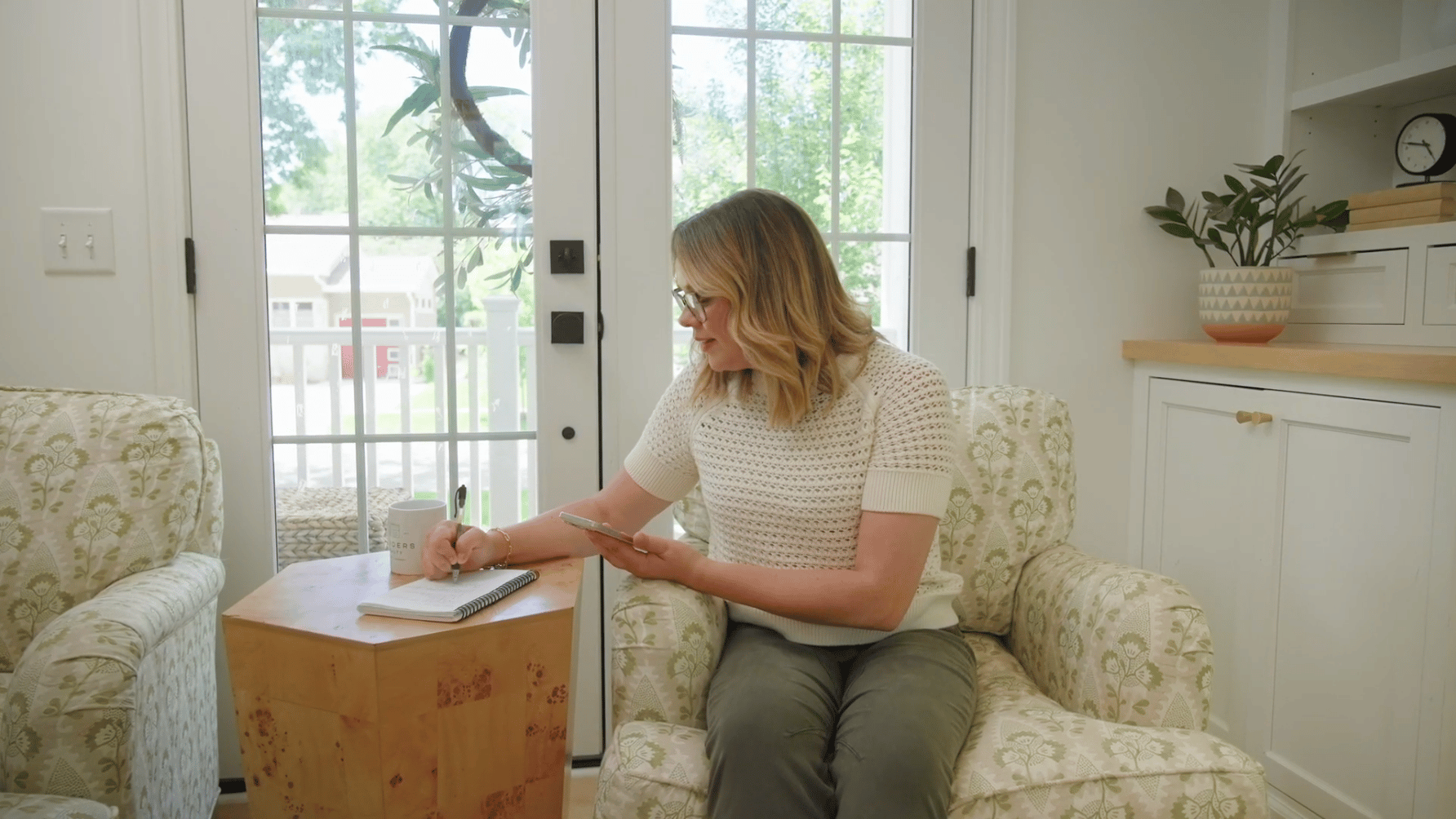
A contractor's estimate is only part of the renovation cost.
You may also need to account for design, engineering, permits, temporary housing, financing and unexpected work uncovered during construction.
This is especially important with older Madison homes. The City of Madison notes that additions may require upgrades to electrical, heating or plumbing systems. Additions must also meet zoning, setback and yard requirements. Properties in historic districts or near landmarks may need additional review.
Moving has expenses too. Compare the renovation against:
- Your home's current value
- Your mortgage payoff and available equity
- Selling and moving expenses
- The cost of a replacement home
- The new mortgage payment, taxes and insurance
- Work the next home may need
A $200,000 renovation should not be compared with the full price of another home. It should be compared with the additional amount required to move after using the equity from your current home.
Will the renovation add enough value?

Not every renovation needs to produce a dollar-for-dollar return. If you plan to stay for another decade, part of the value is enjoying the improvement.
The concern is investing more than the neighborhood can support.
Before committing, determine:
- What the home is worth today.
- What comparable renovated homes have sold for.
- What the home may be worth after the project.
- How long you expect to stay.
You can choose to over-improve a home you love. You should simply understand how much of the cost may become equity and how much you are spending for yourself.
The bottom line
Renovating may be right if you love the location and one well-planned project would make the house work for years.
Moving may make more sense if the project keeps expanding, the property has limitations or you would still be compromising afterward.
You do not need to be ready to sell to compare the options. Understanding your current home's value, the likely renovation cost and what suitable replacement homes cost can help you decide before signing a construction contract or putting your home on the market.
Not sure whether to renovate or move?
I can help you understand what your Madison-area home is worth, how a major renovation could affect its value and what it would cost to move into a home that better fits your needs.
Discover What Your Home Is Worth
Explore Our Seller Resources
Schedule a Call with Cait
Sources:
City of Madison: General Alterations
City of Madison: General Additions
City of Madison: Residential Permit Requirements