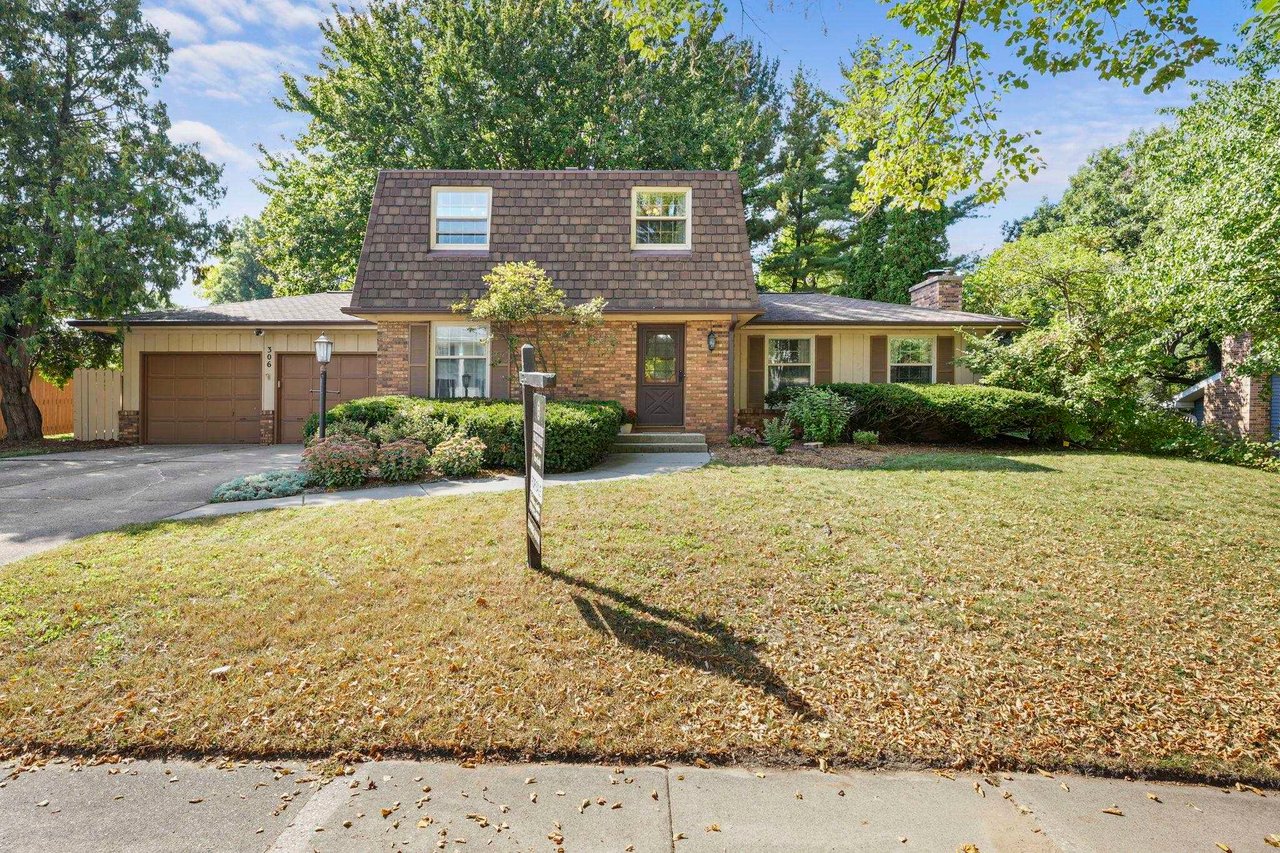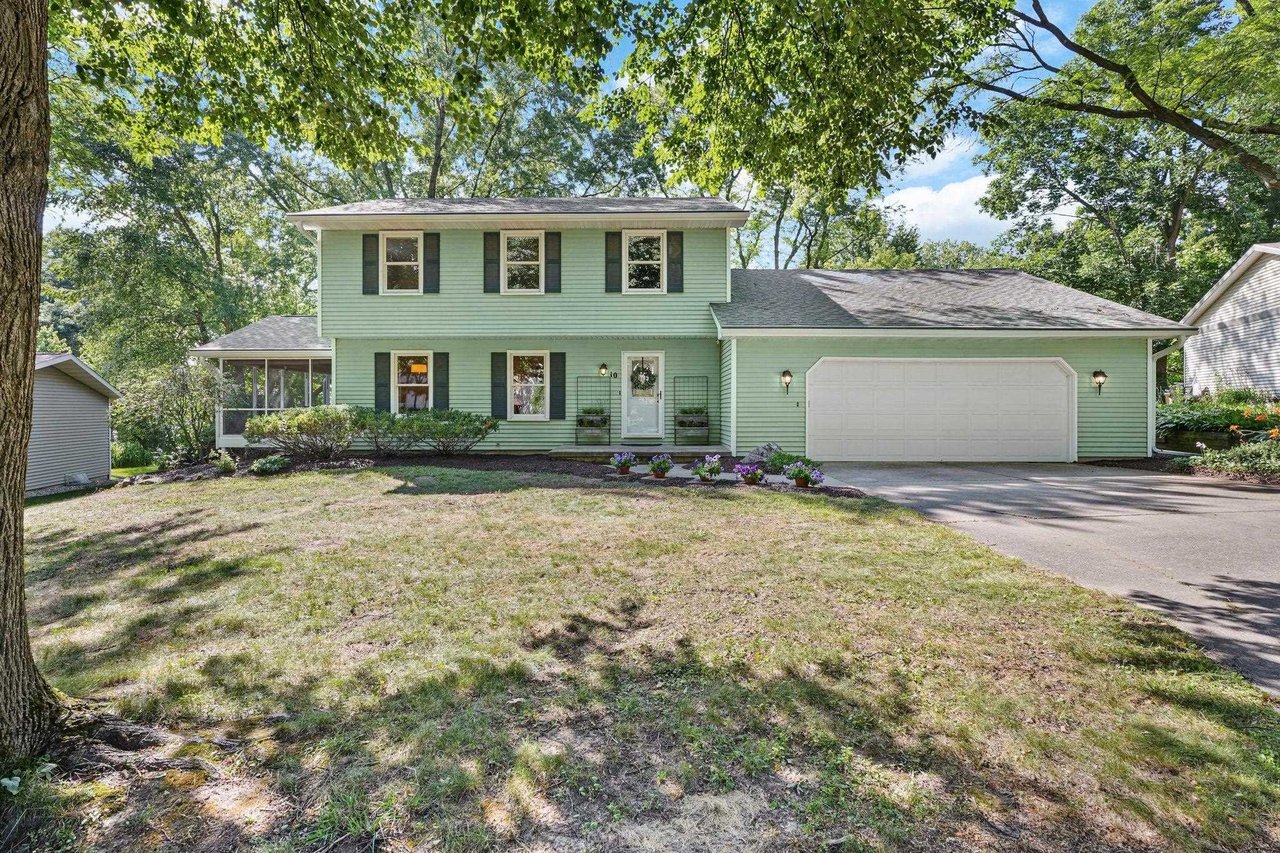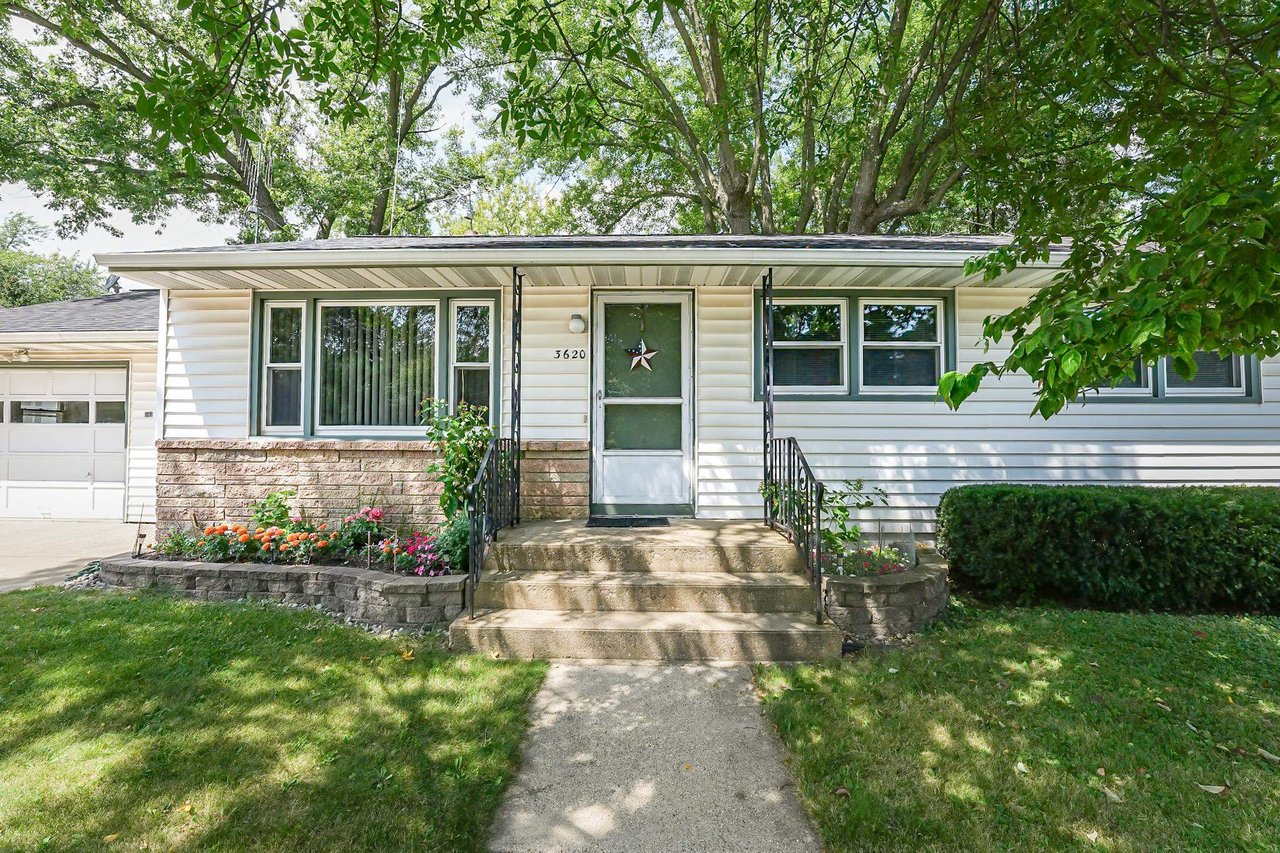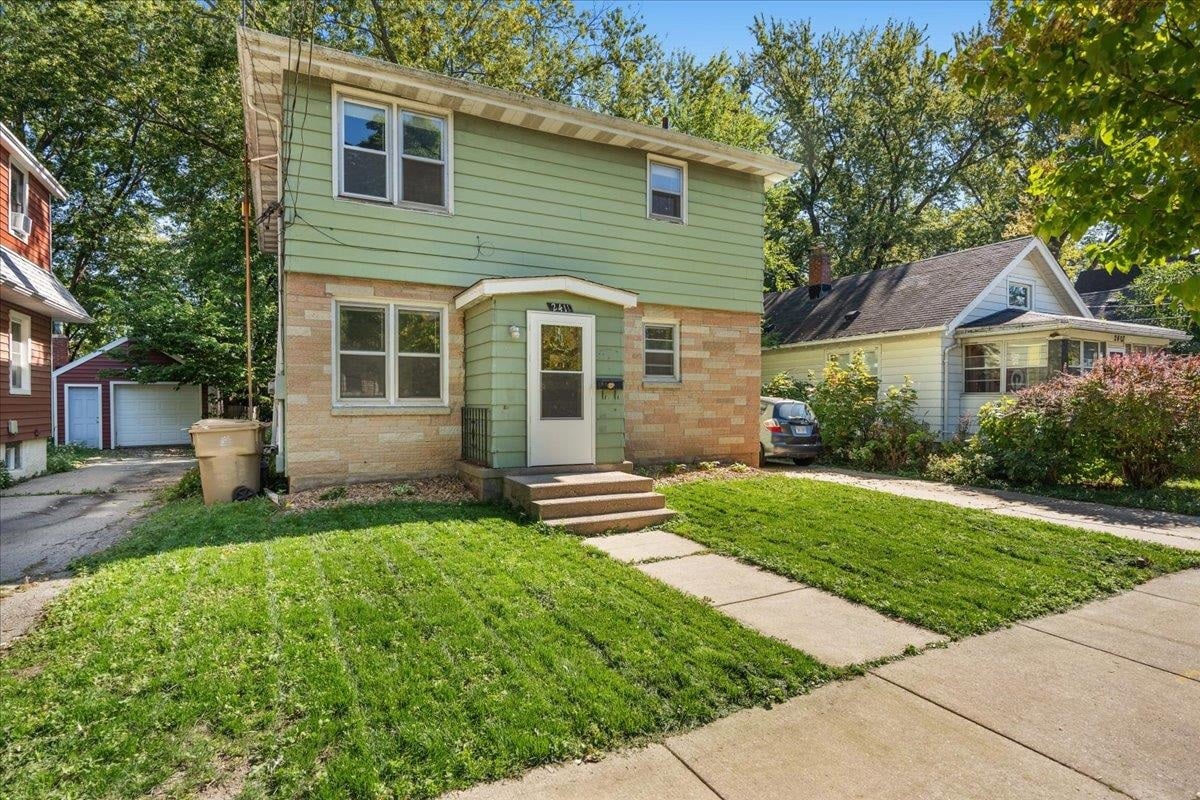
Can you sell a house as-is in Madison?
Yes. Selling as-is means you won't make repairs, but it doesn't change your disclosure duty. Wisconsin sellers of one-to-four-unit homes still provide a Real Estate Condition Report, and buyers can still inspect. On the WB-11, a buyer whose inspection finds Defects can usually still walk away if you won't fix them, so the real decision is how to price for condition.
By Cait Berry | November 12, 2026
"Can I just sell it as-is?" is one of the most common questions I hear, usually from sellers with an older home, a project list they don't want to tackle, or a house they inherited and haven't lived in. The honest answer is yes, you can. But "as-is" doesn't mean what a lot of people think it means.
Here's how it actually works in Wisconsin, and how to decide whether it's the right move for your Madison home.
What "as-is" does and doesn't do
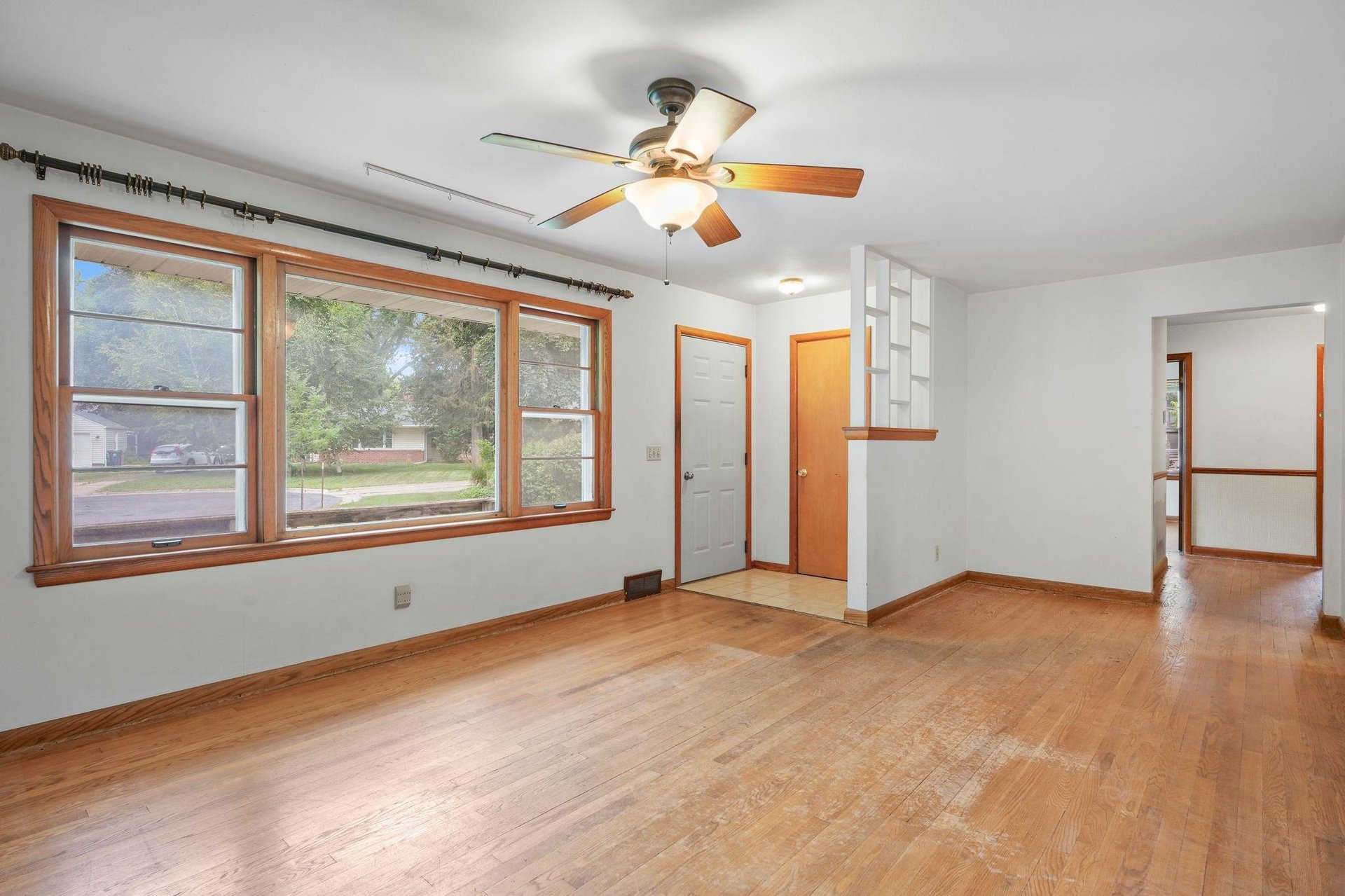
Selling as-is is a negotiating position. It tells buyers, up front, that you aren't planning to make repairs or give credits for the home's condition.
What it doesn't do:
- It doesn't remove your disclosure duty. The WB-11 notes that Wisconsin law requires owners of one-to-four-unit homes to provide buyers with a Real Estate Condition Report. If you know about the leaky basement, it goes on the report, as-is or not.
- It doesn't stop buyers from inspecting. Buyers can still include an inspection contingency, and most will.
- It doesn't stop negotiation. As one Wisconsin agent told HomeLight, buyers "still have the opportunity to inspect it and ask for any repairs or a price reduction." You can say no. They can decide whether to stay.
There's one important exception on disclosures: a personal representative, trustee, conservator, or court-supervised fiduciary who has never lived in the home doesn't have to complete the condition report. That's why as-is sales are so common with estates. I covered that in selling an inherited home in Madison.
How inspections work on an as-is sale
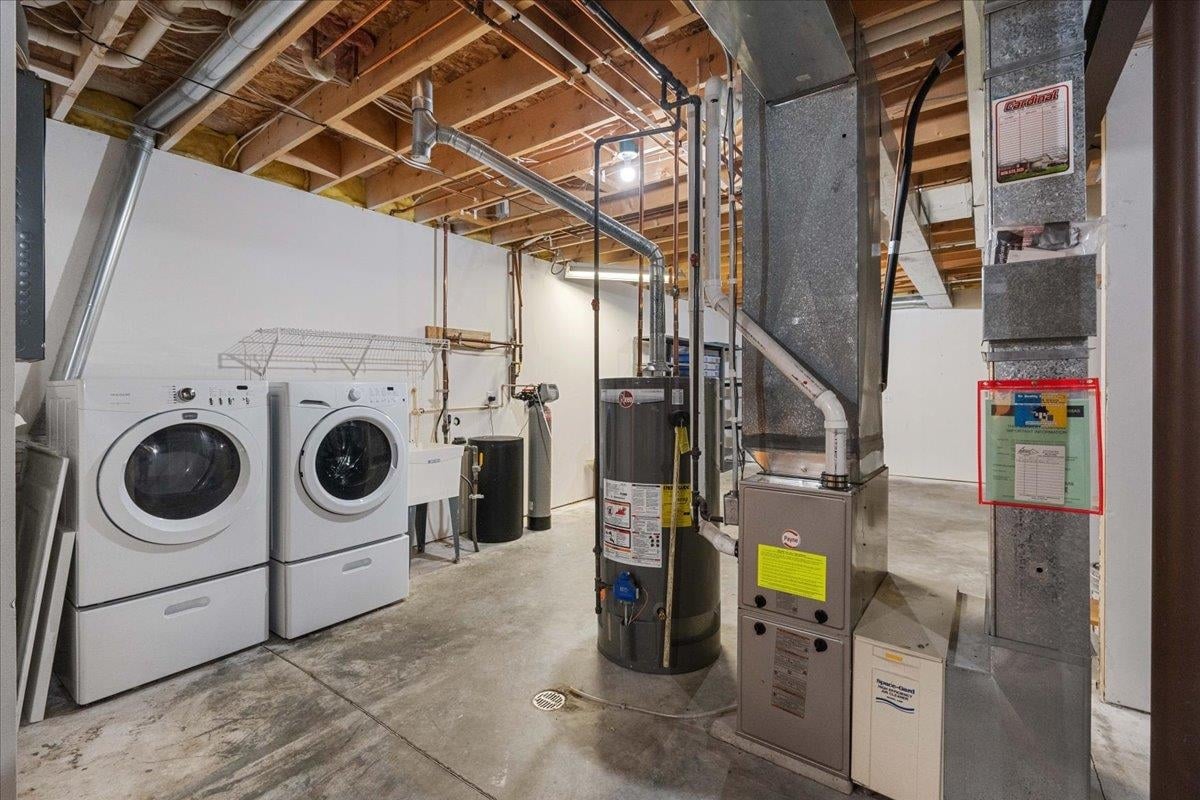
On a standard WB-11, the inspection contingency lets the buyer object to Defects, which the form defines as conditions that would significantly affect the home's value, significantly impair health or safety, or significantly shorten the life of the home if not fixed.
The offer also has a right to cure section. By default, the seller has the right to fix the Defects. If the seller doesn't have that right, or chooses not to cure, the offer becomes null and void after the buyer delivers a timely Notice of Defects and the inspection report.
In plain terms, here's what that means for an as-is seller:
- You can refuse to fix things. That's your right.
- But the buyer can usually walk away if the inspection turns up Defects and you won't address them.
- Every buyer who walks may leave you with new information to disclose to the next buyer.
That's why the pricing and the paperwork matter more than the label. In practice, most of these negotiations happen through an amendment, which I explained in repair request or Notice of Defects after a Madison inspection.
Some as-is buyers waive inspection
You may get offers with no inspection contingency, often from investors. That gives you more certainty, but those offers usually come in lower to account for the risk the buyer is taking on.
Your three real options
1. Fix the few things that matter, then list
This usually nets the most. Not a remodel, just the items buyers and inspectors flag first: a failing water heater, a roof at the end of its life, safety issues, or obvious deferred maintenance. I wrote about which updates pay off in overrated vs. underrated pre-listing updates in Madison.
2. List as-is on the open market
Price for condition, disclose clearly, and let buyers decide. In Dane County, there are plenty of buyers who want a project, especially in established neighborhoods like Dudgeon Monroe, Vilas, or the near east side, where location does a lot of the work. You still get full market exposure and competition.
3. Sell to a cash buyer or investor
This is the fastest and simplest, with no showings or repairs, but it usually costs the most. National companies that compare these offers often put typical investor offers well below market value. One national site cites a typical Wisconsin cash offer range of 55% to 85% of value. Get a market analysis first, so you know exactly what that convenience is costing you.
What usually comes up on an older Madison home
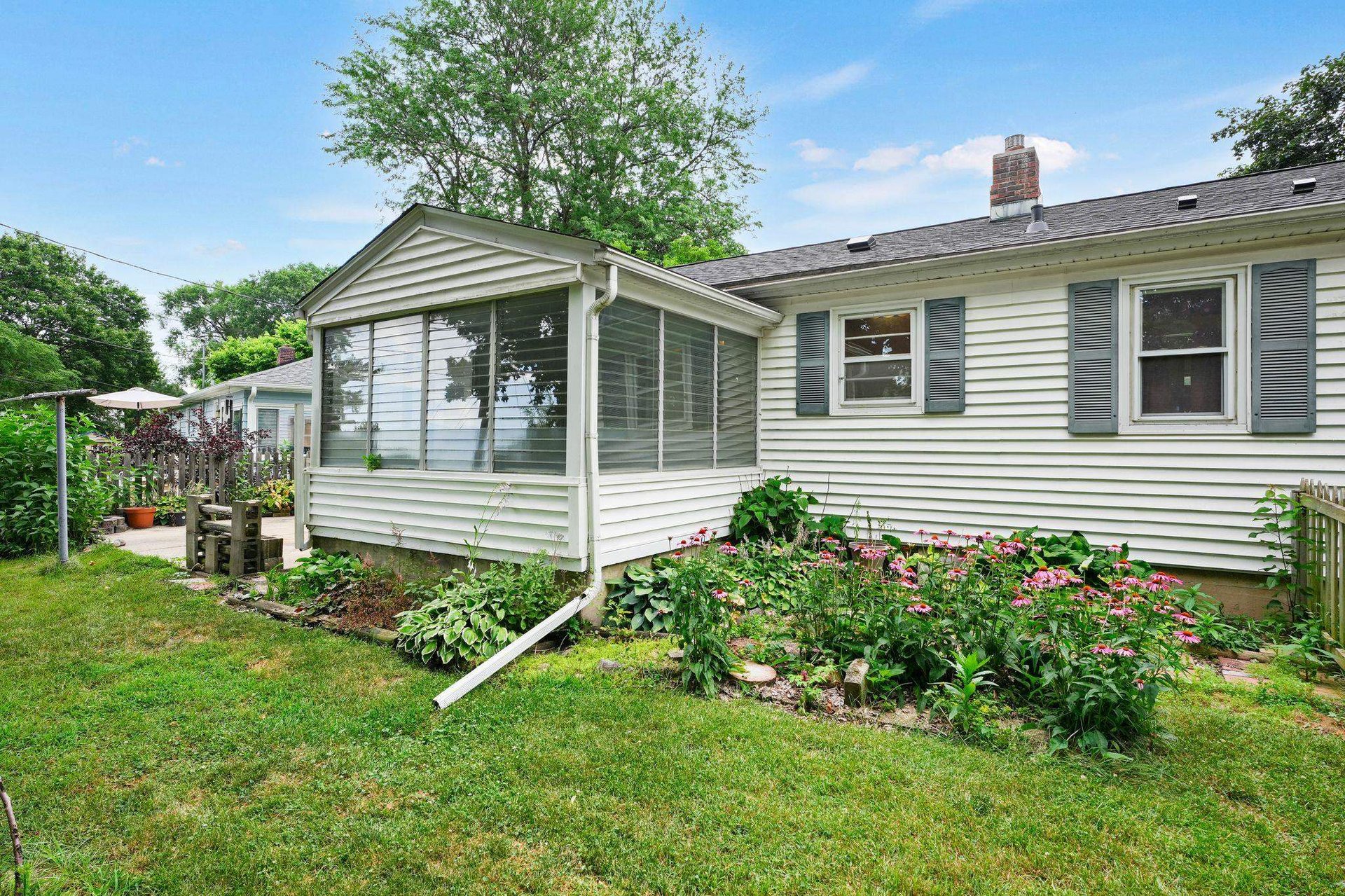
Many as-is sales in Madison are older homes on the near west and east sides, in Maple Bluff, or in established parts of Middleton and Monona. The same handful of items tend to drive buyers' decisions:
- Roof and gutters near the end of their life
- Older electrical, like original wiring or an outdated panel
- Plumbing, including older supply lines and the main sewer line to the street
- Basement moisture on older foundations
- Radon, which is common in Dane County and usually fixable with a mitigation system. I covered it in radon in Madison homes.
- Furnace, water heater, and air conditioning age
You don't have to fix any of it. But knowing which of these your home has lets you price it honestly, disclose it clearly, and avoid a deal falling apart two weeks after acceptance.
How to market an as-is home well
- Say "as-is" clearly in the listing, and explain what that means for repairs and credits.
- Make the condition report easy to find for buyers' agents before showings.
- Share any recent quotes or inspections, so buyers can price the work themselves.
- Clean it and clear it out. As-is is about repairs, not presentation. A clean, empty, well-lit house still sells for more.
How to decide
Ask yourself:
- How much time do you have? A cash sale can close fast. An open-market sale takes longer but usually nets more.
- How much cash can you put in before listing? Even a few targeted fixes can change who's willing to buy.
- What will the inspection likely find? A pre-listing inspection tells you, but anything it finds must be disclosed.
- What's the gap? Compare a realistic as-is list price, a fixed-up list price minus repair costs, and a cash offer. The right answer is usually obvious once you see the three numbers side by side.
Frequently Asked Questions
Do you have to disclose problems when selling as-is in Wisconsin? Yes. Owners of one-to-four-unit homes generally must provide a Real Estate Condition Report, and selling as-is doesn't change that. Court-supervised personal representatives and similar fiduciaries who never lived in the home are an exception.
Can a buyer back out of an as-is sale after the inspection? Usually, yes. If the WB-11 includes an inspection contingency and the buyer delivers a timely Notice of Defects, the offer becomes null and void if the seller doesn't have, or doesn't use, the right to cure.
Do I have to make repairs if I sell as-is? No. You can decline to make repairs or give credits, but buyers can still negotiate or walk away, so price the home for its condition.
Is it better to sell as-is or fix the house first? Fixing a few high-impact items often nets more than selling as-is, but it depends on your time, budget, and what the home needs. Compare an as-is list price, a fixed-up price minus repairs, and any cash offer.
How much less will a cash buyer pay for my house? It varies, but investor offers are typically well below market value. One national site puts the typical Wisconsin range at 55% to 85% of value. A market analysis shows you the real difference for your home.
The bottom line
You can sell a Madison home as-is, but you still disclose what you know, buyers can still inspect, and the price has to reflect the home's condition. Before you choose a path, look at the three numbers side by side.
If you're weighing fix-up versus as-is, my Seller's Guide walks through prep, pricing, and timing in Dane County.
Your Madison Insiders
Not sure whether to fix it or sell it as-is? Let's look at the numbers.
The Insiders Realty Seller's Guide walks through prep, pricing, and timing in Dane County.
About Cait Berry
Cait Berry is the founder and team lead of Insiders Realty with REAL Broker, LLC, serving buyers and sellers across Dane County. A sixth-generation Madisonian and full-time agent since 2012, she helps relocating families, move-up buyers and sellers, and first-time buyers make confident moves in the Madison market. Cait is also a business coach for real estate agents with Tom Ferry International.
This post is general information about Wisconsin disclosure law and the WB-11 Residential Offer to Purchase, not legal advice. Review your specific situation with your agent, and with an attorney if you have questions.