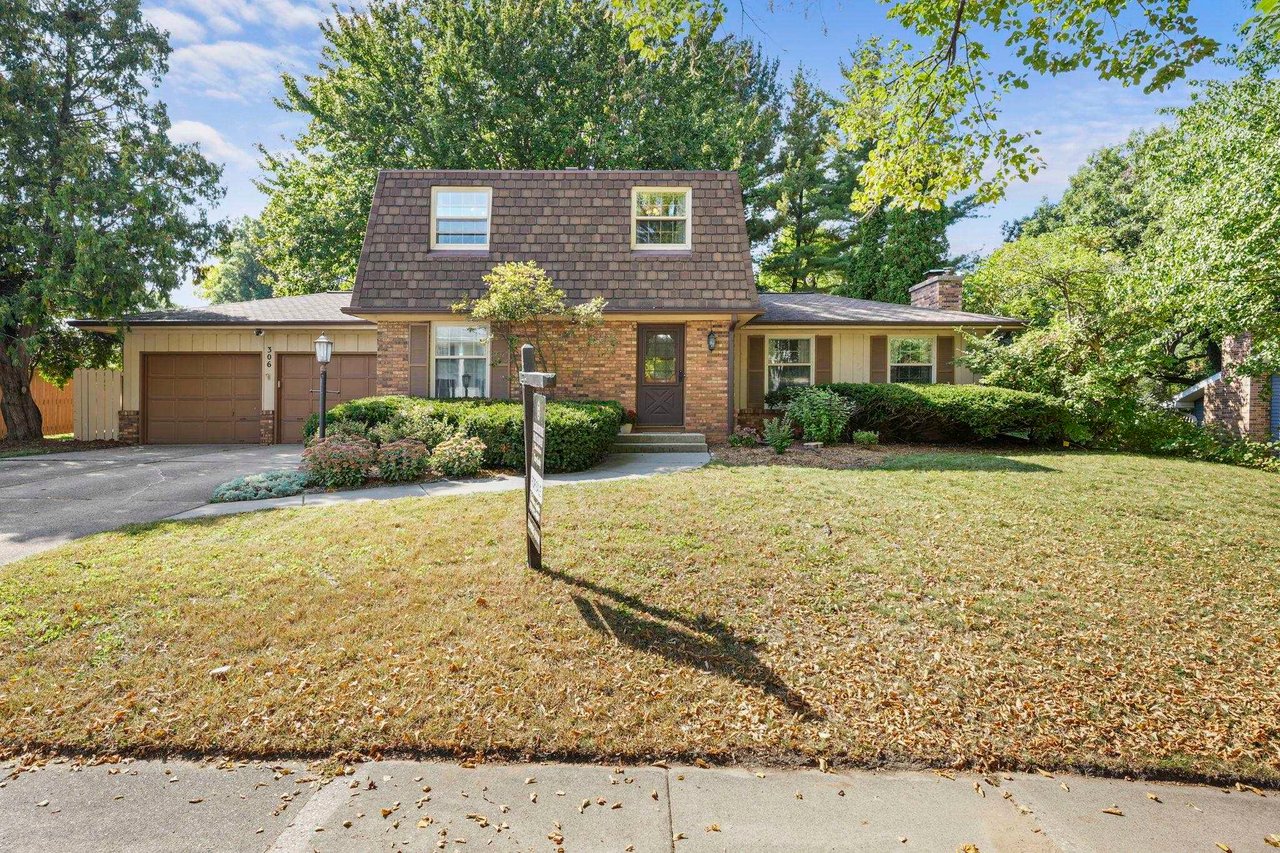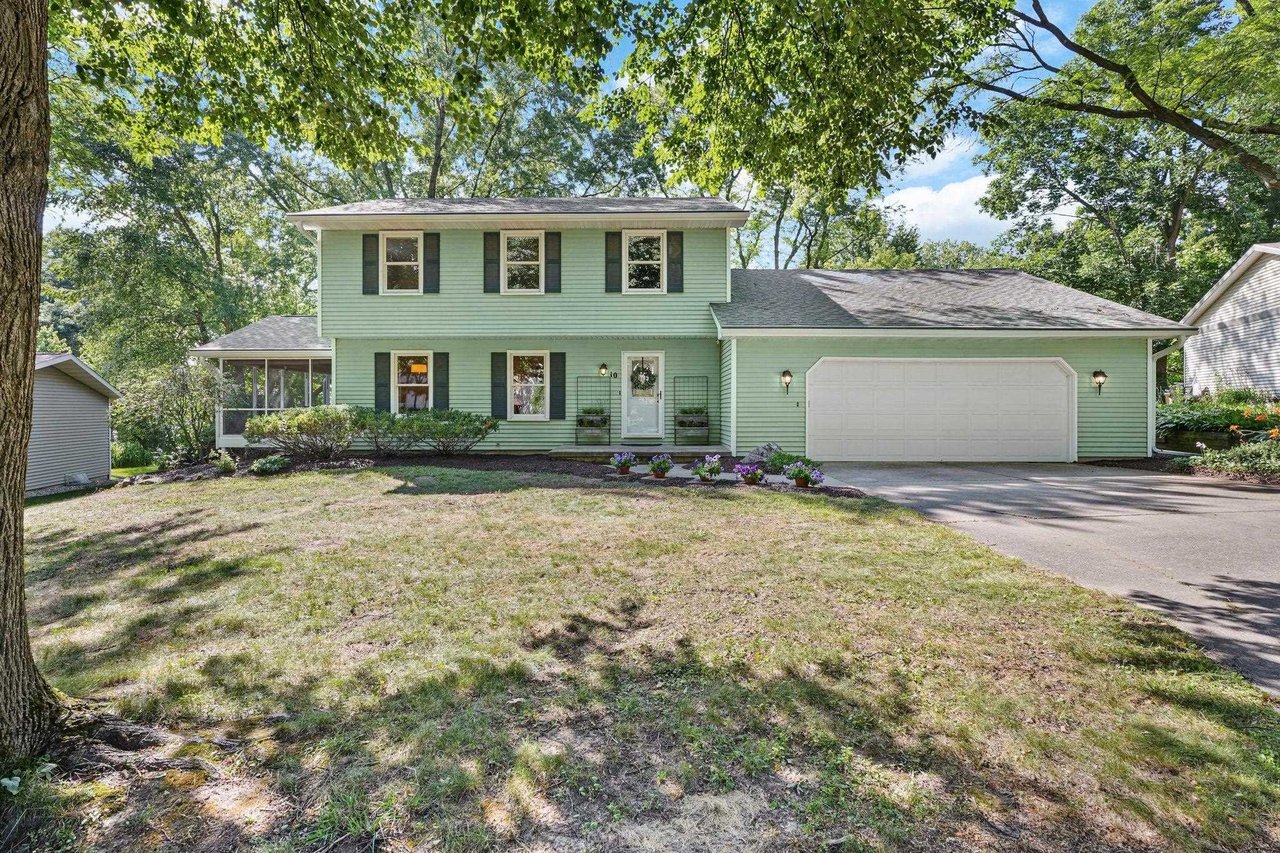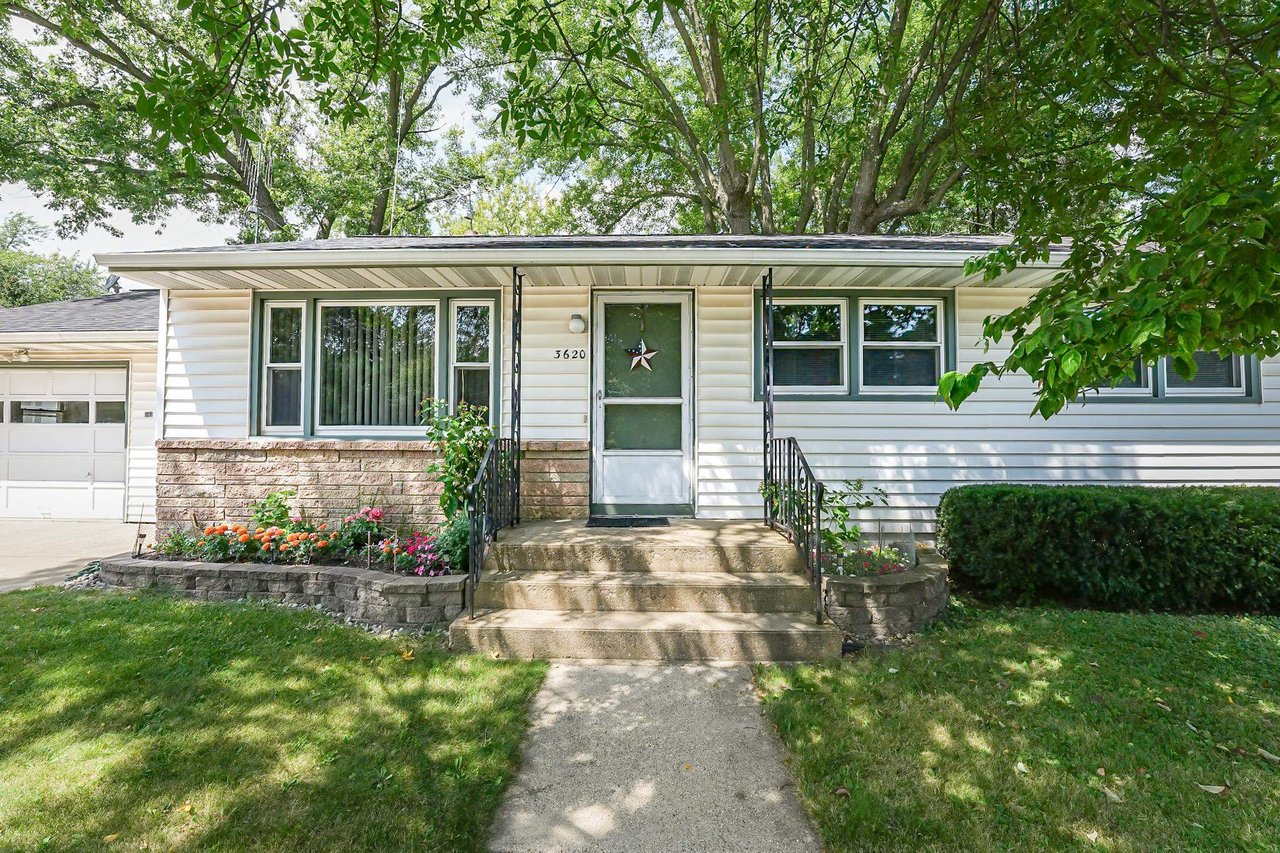
It's often worth it for older homes, homes with deferred maintenance, or sellers who want fewer surprises after accepting an offer. A pre-listing inspection lets you fix, price in, or disclose issues on your own timeline instead of negotiating them under a buyer's deadline.
The trade-off: anything it finds becomes something you know about, and Wisconsin sellers have to disclose defects they're aware of on the Real Estate Condition Report. Buyers will usually still do their own inspection, so think of it as preparation, not a replacement.
By Cait Berry | November 20, 2026
Sellers ask me this a lot, especially with older homes on the near west and east sides. The worry is usually the same: "What if the buyer's inspector finds something big and the deal falls apart?"
A pre-listing inspection is one way to take that surprise off the table. But it isn't right for every house, and it comes with a disclosure catch you should understand first.
What you gain
You see what buyers will see, before they see it. That gives you choices you don't have once you're under contract:
- Fix it on your terms. Hire your own contractor, get your own quotes, and avoid paying a rush premium during a buyer's inspection window.
- Price it in. If the roof has a few years left, you can price the home accordingly instead of getting hit with a big repair request later.
- Disclose it up front. A buyer who knows about an issue before making an offer has already accounted for it. That usually means fewer renegotiations.
- Keep your timeline. Fewer surprises means fewer deals falling apart in week two.
It can also guide where to spend prep money. Some updates are worth it before you list and some aren't. Here's my list of overrated vs. underrated pre-listing updates in Madison.
The disclosure catch
This is the part sellers need to understand before they book an inspector.
In Wisconsin, most sellers of homes with one to four units have to give buyers a Real Estate Condition Report (RECR). It asks whether you're aware of defects in the roof, foundation, plumbing, electrical, and more. The form defines "aware" as having notice or knowledge.
So if your inspector tells you the roof is leaking or there's a crack in the foundation, you now know, and you'd need to disclose it if it rises to the level of a defect. Under the RECR, a defect is something that would significantly affect the property's value, significantly impair health or safety, or significantly shorten the home's normal life if it isn't fixed.
A few more things to know:
- You can fix it first. If you repair the issue before listing, you'd disclose the repair rather than an open defect. Keep the receipts.
- Your agent has a duty too. Wisconsin agents have to disclose material adverse facts they know about, even if the seller would rather they didn't.
- Timing matters. The RECR is due within 10 days after an offer is accepted, and sellers can amend it if they learn something new before acceptance.
- Some sellers are exempt. Certain estates and trusts where the fiduciary never lived in the home don't have to provide a RECR. If you're selling for an estate, here's what changes when you sell an inherited home.
Here's the honest way to look at it: if a serious defect exists, the buyer's inspector is very likely to find it anyway. Finding it first doesn't create the problem. It just moves the conversation to a time when you have more control.
When it's worth it, and when it isn't
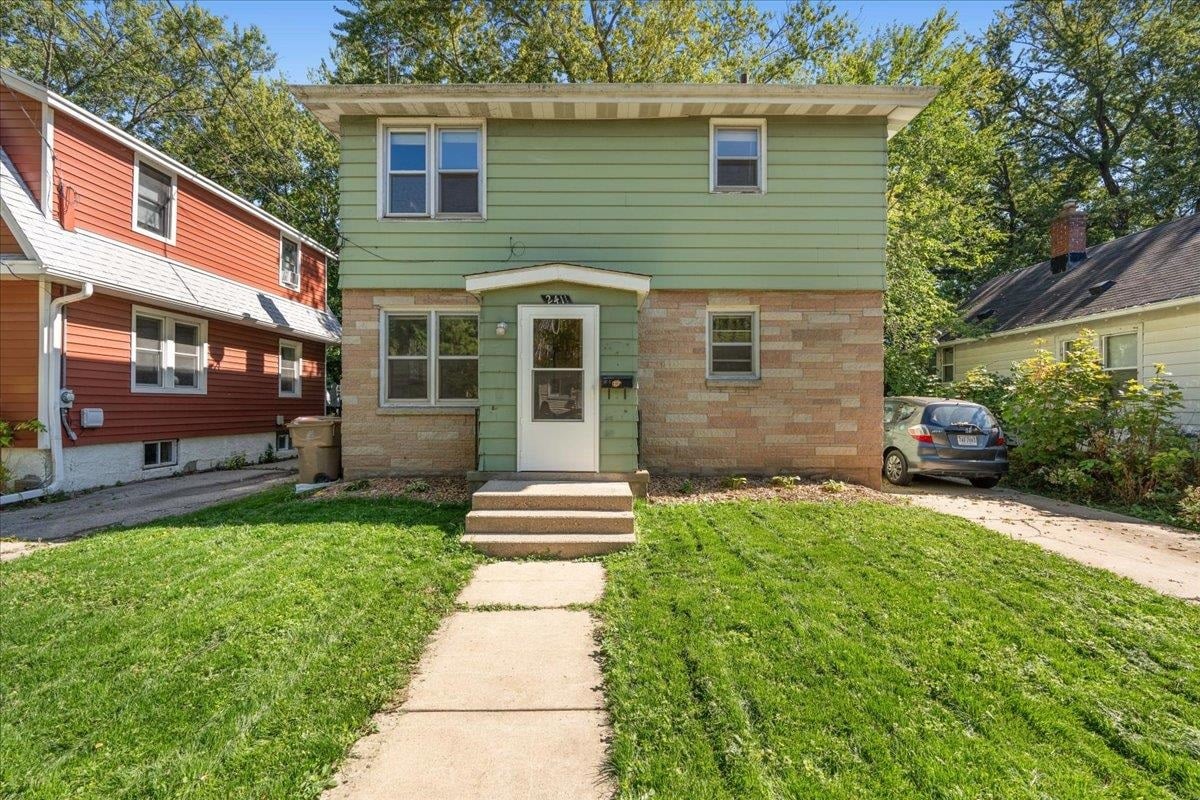
A pre-listing inspection usually makes sense when:
- The home is older and major systems haven't been replaced in a while
- You've owned it a long time and aren't sure what's going on in the attic, crawl space, or sewer line
- You want a smooth, predictable sale, like a move-up seller who needs to close on time to buy the next house
- You're selling as-is and want buyers to know exactly what they're getting. Here's what selling as-is in Madison really means.
It may not be worth it when:
- The home is newer and the systems are in good shape
- You've recently done major work with permits and receipts
- You plan to sell to a cash buyer or investor who won't negotiate on condition anyway
What it costs and what to include
A standard home inspection in the Madison area typically runs $400-$600, more for larger homes. Add-ons that are especially useful here:
- Radon testing. It's common in Dane County, and buyers will ask. Here's my guide to radon in Madison homes.
- Sewer lateral scope for older homes with mature trees
- Roof or chimney evaluation if the roof is older or there is a wood burning fireplace
- Well and septic for rural properties
Get quotes from a couple of inspectors and ask what's included.
Will buyers still do their own inspection?
Almost always, and they should. A pre-listing inspection doesn't replace the buyer's right to inspect under the offer. What it does is make the buyer's inspection a lot less dramatic. When the big items are already known, priced in, or fixed, there's much less to renegotiate. If a buyer does come back with requests, here's how inspection negotiations work in Madison.
Frequently Asked Questions
Do I have to disclose what a pre-listing inspection finds in Wisconsin? If it reveals a defect you weren't aware of before, you're now aware of it, and the Real Estate Condition Report asks about defects you know about. You can repair it before listing and disclose the repair instead.
How much does a pre-listing inspection cost in Madison? A standard inspection typically $400-$600, more for larger homes or add-ons like radon testing and a sewer scope. Get quotes from a couple of inspectors.
Should I share my pre-listing inspection report with buyers? Many sellers do, because it builds trust and reduces renegotiation. Talk with your agent about what to share and how it lines up with your Real Estate Condition Report.
Will a buyer still get their own inspection? Usually, yes. A pre-listing inspection doesn't replace the buyer's right to inspect, but it often makes the buyer's inspection go more smoothly.
Is a pre-listing inspection worth it for an older Madison home? Often, yes. Older homes are more likely to have roof, sewer, electrical, or foundation items, and knowing about them before listing lets you fix, price in, or disclose them on your timeline.
The bottom line
A pre-listing inspection is about control. You learn what buyers will find, then decide whether to fix it, price it in, or disclose it, before a buyer's deadline is ticking. Just go in knowing that what you learn becomes part of your disclosure.
If you're getting ready to sell in Dane County, my Seller's Guide walks through prep, pricing, and timing step by step.
Your Madison Insiders
Getting your Madison home ready to sell?
The Insiders Realty Seller's Guide walks through prep, pricing, and timing in Dane County.
About Cait Berry
Cait Berry is the founder and team lead of Insiders Realty with REAL Broker, LLC, serving buyers and sellers across Dane County. A sixth-generation Madisonian and full-time agent since 2012, she helps relocating families, move-up buyers and sellers, and first-time buyers make confident moves in the Madison market. She’s also a business coach for real estate agents with Tom Ferry.
This post is general information, not legal advice. Disclosure obligations depend on your situation, so talk with your agent or a real estate attorney about your Real Estate Condition Report.